

The last supermoon of 2025: when to catch a glimpse
- Last update: 1 days ago
- 2 min read
- 483 Views
- SPORT
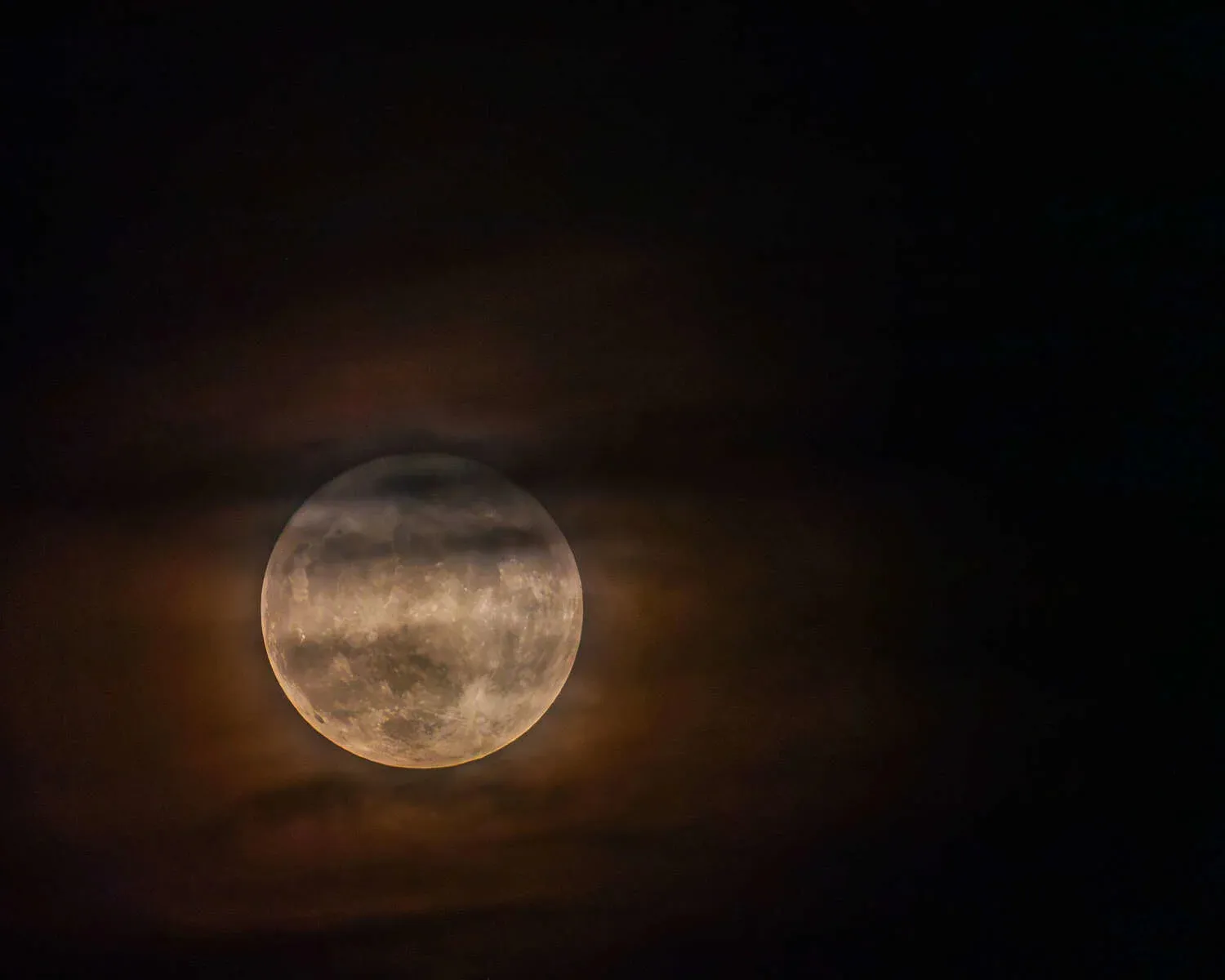
As the year winds down, many reflect on achievements and challenges alike. There's no better celestial moment for such contemplation than the last full moon of 2025, which promises a spectacular display in December.
This month's moon will appear unusually large and luminous, qualifying as a supermoon. According to Space.com, it will reach its peak on Thursday, December 4. NASA defines a supermoon as a full Moon occurring near its closest approach to Earth, known as perigee. Though not an official astronomical term, it typically refers to a full Moon within 90% of its nearest point to Earth.
Supermoons are relatively rare, occurring only three to four times a year. In 2025, previous supermoons appeared in October and November. During these events, the Moon can appear up to 14% larger and 30% brighter than the year's smallest full moons.
December's Cold Supermoon Details
The December full supermoon, also called the Cold Moon, will reach maximum brightness at 5:14 p.m. CT, according to the Farmer's Almanac. Stargazers are encouraged to look at the Moon around this time, especially near the horizon, to experience the "Moon illusion," which makes it appear larger.
Temperatures may drop as a cold front moves through South Central Texas the night before, so warm clothing is recommended. NASA reports that while the Moon can be as far as 252,088 miles from Earth, this supermoon will be just 221,813 miles away.
Visibility in Texas
The National Weather Service predicts cloudy skies in the San Antonio area on the evening of the supermoon. However, in locations with clear skies, viewing should be excellent. Observers should seek dark areas away from city lights for optimal visibility.
The Name and Significance
The Farmer's Almanac names this lunar event the Cold Supermoon due to the season's low temperatures. It is also sometimes called the Long Night Moon because it rises during the longest nights of the year, around the winter solstice, and remains visible for an extended time.
Author: Gavin Porter
Share

When to View This Week's Spectacular Cold Supermoon in December
1 days ago 3 min read BUSINESS

A 'Cold Moon' supermoon to appear over Connecticut on Thursday. Here's the best time to view it
1 days ago 2 min read US
Bright supermoon and 2 meteor showers to illuminate California sky. Find out when
1 days ago 3 min read ENTERTAINMENT
The California sky will be illuminated by a 'Luminous' supermoon and 2 meteor showers. Here's when
1 days ago 3 min read ENTERTAINMENT

When will the December full moon occur? Tips for viewing the final supermoon of 2025.
1 days ago 2 min read BUSINESS
Is there a full moon tonight? Understanding the meaning of December 2025 cold moon and today's moon phase
1 days ago 3 min read ENTERTAINMENT
The final supermoon of the year is December's full moon. Here's what you need to know.
1 days ago 2 min read US
What you need to know about the final supermoon of 2025: December's Cold Moon
2 days ago 2 min read ENTERTAINMENT

Prepare for the Supermoon Spectacle: December's ‘Cold Moon’ to Illuminate the Winter Night Sky
2 days ago 2 min read ENTERTAINMENT
When will the December supermoon occur in 2025?
2 days ago 2 min read ENTERTAINMENT