

What you need to know about the final supermoon of 2025: December's Cold Moon
- HOME
- ENTERTAINMENT
- What you need to know about the final supermoon of 2025: December's Cold Moon
- Last update: 1 days ago
- 2 min read
- 410 Views
- ENTERTAINMENT
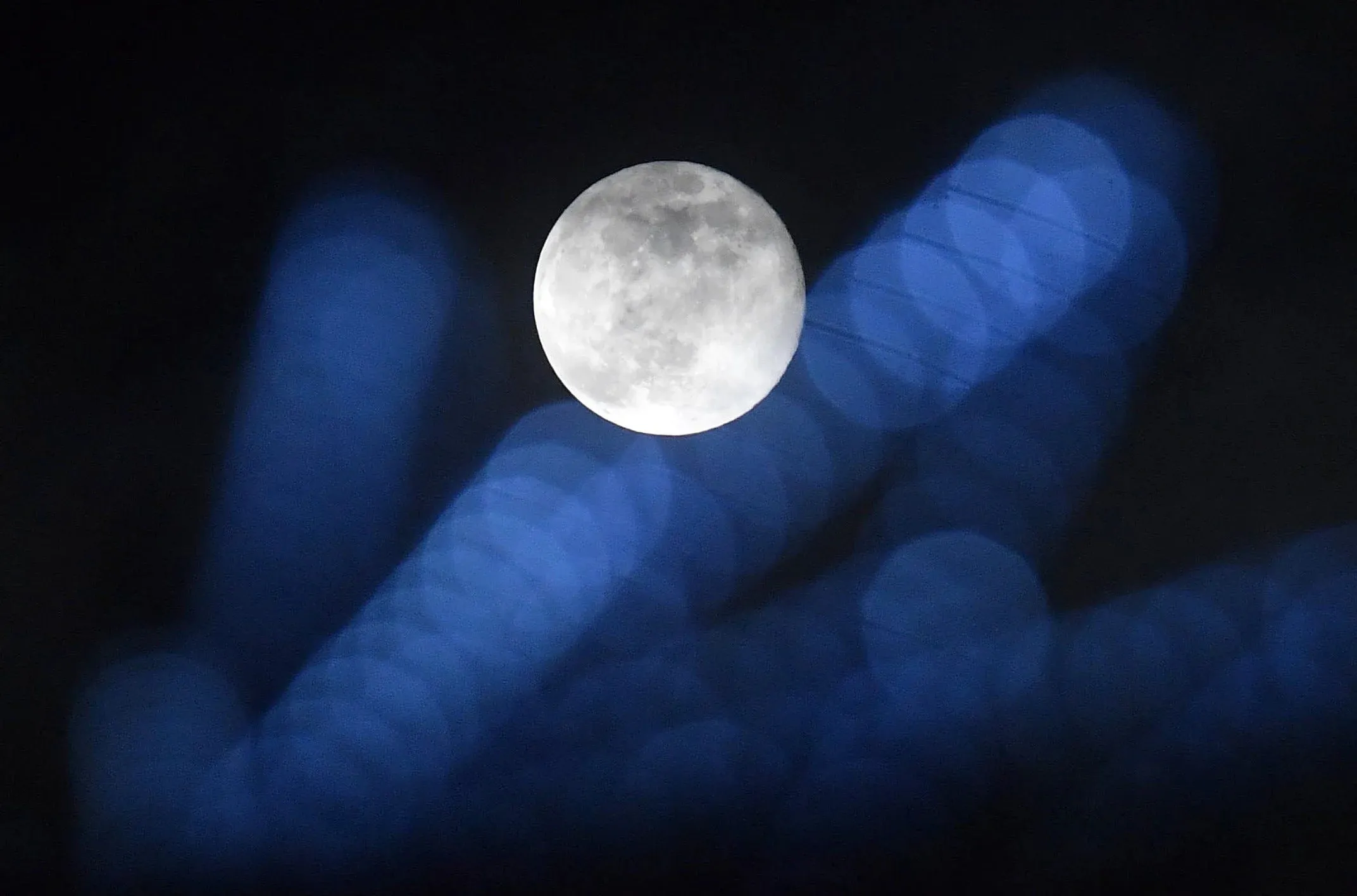
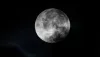
The final full moon of 2025 is set to appear on December 4, promising brighter nighttime skies and a second wave of king tides along Oregons coastline. This December full moon, known as the Cold Moon, will also be the last supermoon of the year.
A supermoon occurs when a full moon coincides with the moons closest approach to Earth in its orbit. As NASA explains, "The moon's path around Earth isnt a perfect circle, so sometimes it comes closer and appears slightly larger than usual." When this closest point, or perigee, lines up with a full moon, the result is a supermoon.
On December 4, the moon will reach its perigee at a distance of 221,808 miles from Earth. This phenomenon, called a "perigee moon," causes the moon to look bigger and shine more brightly than average. The size of a supermoon can exceed that of a typical full moon by up to 8%, while its brightness can be around 16% greater.
During the 202526 lunar season, there are four supermoons: the October Harvest Moon, the November Beaver Moon, the December Cold Moon, and the January Wolf Moon. Decembers Cold Moon will peak at 3:14 p.m. PST on December 4, appearing higher in the sky and more luminous throughout the winter months.
The elevation of the full moon varies across the year, similar to the Sun. During winter, the full moon rises high in the sky because it is directly opposite the Sun. In contrast, during summer, the moon reaches its lowest maximum altitude at midnight. This alignment explains why winter full moons appear so bright and prominent early in the evening.
The Cold Moons name originates from Native American traditions. The Mohawk referred to it as the Cold Moon, while the Mohicans called it the "long night moon," reflecting the frigid December nights.
Supermoons can also influence ocean tides. They often generate exceptionally high tides known as king tides, which occur when the Sun, Moon, and Earth align. The Oregon Coast experienced its first round of king tides during Novembers supermoon from November 5-7. Decembers supermoon will trigger another round from December 4-6.
Weather forecasts for Oregon on December 4 predict mostly cloudy conditions, with 73-95% cloud coverage expected across much of the state.
Author: Maya Henderson
Share

A 'Cold Moon' supermoon to appear over Connecticut on Thursday. Here's the best time to view it
1 days ago 2 min read US
Clouds may obstruct the last full moon of 2025
1 days ago 2 min read WORLD
Bright supermoon and 2 meteor showers to illuminate California sky. Find out when
1 days ago 3 min read ENTERTAINMENT
The California sky will be illuminated by a 'Luminous' supermoon and 2 meteor showers. Here's when
1 days ago 3 min read ENTERTAINMENT
December's supermoon rising: How to see the last full moon of 2025
1 days ago 2 min read WORLD

When will the December full moon occur? Tips for viewing the final supermoon of 2025.
1 days ago 2 min read BUSINESS
Is there a full moon tonight? Understanding the meaning of December 2025 cold moon and today's moon phase
1 days ago 3 min read ENTERTAINMENT
The final supermoon of the year is December's full moon. Here's what you need to know.
1 days ago 2 min read US
This week's 'Cold Supermoon' is the highest full Moon of the year
2 days ago 2 min read WORLD
When will the December supermoon occur in 2025?
2 days ago 2 min read ENTERTAINMENT