

‘Wicked: For Good’ reignites a controversial discussion about bodies and images
- HOME
- ENTERTAINMENT
- ‘Wicked: For Good’ reignites a controversial discussion about bodies and images
- Last update: 52 minutes ago
- 3 min read
- 267 Views
- ENTERTAINMENT
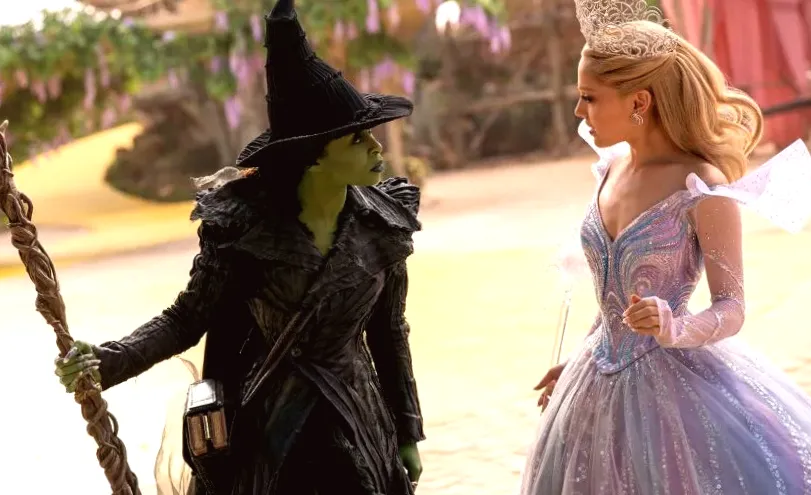
The musical Wicked and its cinematic adaptations have long celebrated diversity and promoted acceptance, with Elphaba, the green-skinned witch, as the emblem of judging beyond appearances. However, the latest film installment, Wicked: For Good, has reignited a different conversation: the focus on the extreme thinness of its female leads.
Images of the actresses in elegant red-carpet attire, highlighting their slender frames, have circulated online, sometimes used in forums that encourage disordered eating behaviors. These depictions have raised concerns among health professionals about the potential influence on young audiences.
Regardless of the actual health of the actresses, seeing ultra-thin images can be deeply triggering, especially for those who have witnessed a loved one struggle with an eating disorder, said Oona Hanson, a parent coach specializing in eating disorders. Parents have contacted her expressing worry over the impact of such images on their children.
Contemporary culture often discourages discussing the weight of public figures. Yet, celebrities bodies remain a central focus in media and on social platforms, driving speculation and commentary. Fans have debated whether Ariana Grande, Cynthia Erivo, and Michelle Yeoh appear thinner and what that might mean for their health or the suitability of the film for young viewers. Grande herself has previously criticized body speculation as harmful.
As a family-oriented release during the holiday season, Wicked: For Good has sparked national discussions about eating disorders and the societal pressures surrounding thinness. Musician Teniola Keck highlighted the rising influence of online eating disorder culture, emphasizing how silence about body image may inadvertently fuel harmful behaviors.
While body positivity and diversity in entertainment have grown over the past decade, a cultural shift toward extreme thinness has reemerged. The popularity of GLP-1 medications and the viral #SkinnyTok trend have reinforced the perception that slimness is ideal, often overshadowing prior efforts to promote body neutrality.
Public figures weight changes, whether intentional or not, continue to dominate conversations. Celebrities like Serena Williams and Meghan Trainor have faced scrutiny and commentary, illustrating the cyclical nature of societal obsession with body shape. Others, like Lizzo, discuss body changes in personal and nuanced ways, acknowledging both individual choice and cultural pressures.
For those recovering from or vulnerable to eating disorders, media attention on celebrity bodies can be triggering. Mental health professionals note that seeing admired figures become thinner can reinforce unhealthy behaviors or setbacks in recovery. Studies indicate that eating disorders have increased since the pandemic, with many teenagers attempting to alter their bodies under societal pressure.
Experts stress that media representation profoundly affects body image, particularly for young people. Despite increased awareness of body positivity, the constant visibility of slim celebrity bodies keeps discussions of weight and appearance at the forefront.
Hanson and other counselors emphasize that personal decisions around weight are rarely made in isolation, shaped instead by pervasive cultural ideals. The intense focus on celebrity thinness demonstrates how societal messaging can deeply influence individual perceptions of body image.
As Wicked: For Good reaches audiences worldwide, it has become a focal point for examining the ongoing tension between body diversity, societal expectations, and the medias power to shape perceptions of beauty and health.
Author: Ethan Caldwell
Share

The top 11 LGBTQ+ movies of 2025
3 hours ago 4 min read ENTERTAINMENT
Cynthia Erivo explains that Elphaba's viral "Wicked: For Good" cardigan was designed to convey her worthiness of love.
1 days ago 2 min read ENTERTAINMENT

Pit Bull Nails the Toughest 'Wicked' Song with Amazing Vocals
1 days ago 2 min read ENTERTAINMENT
Santa Barbara Film Festival Honors Cynthia Erivo from 'Wicked: For Good' with Kirk Douglas Award, Expresses Love for Her Job
1 days ago 3 min read ENTERTAINMENT

Cynthia Erivo Speaks Out About Her WICKED: FOR GOOD "Sex Cardigan"
1 days ago 2 min read ENTERTAINMENT

Sabrina Carpenter Reflects on a Year of Dogs, Taylor Swift, and Personal Growth: 'I Didn't Choose to Start Working at 12, But I Deserve to Grow'
2 days ago 3 min read ENTERTAINMENT
The Newest Celebrity Trend of Extreme Thinness is Not Just Annoying, It's Dangerous. I Speak from Experience.
3 days ago 5 min read ENTERTAINMENT

SZA denounces online bullying of Cynthia Erivo during 'Wicked' rollout as 'classic misogynoir'
4 days ago 2 min read MUSIC

Decoding the Easter Eggs Found in Wicked: For Good
5 days ago 3 min read MOVIES