

Decoding the Easter Eggs Found in Wicked: For Good
- Last update: 5 days ago
- 3 min read
- 11 Views
- MOVIES
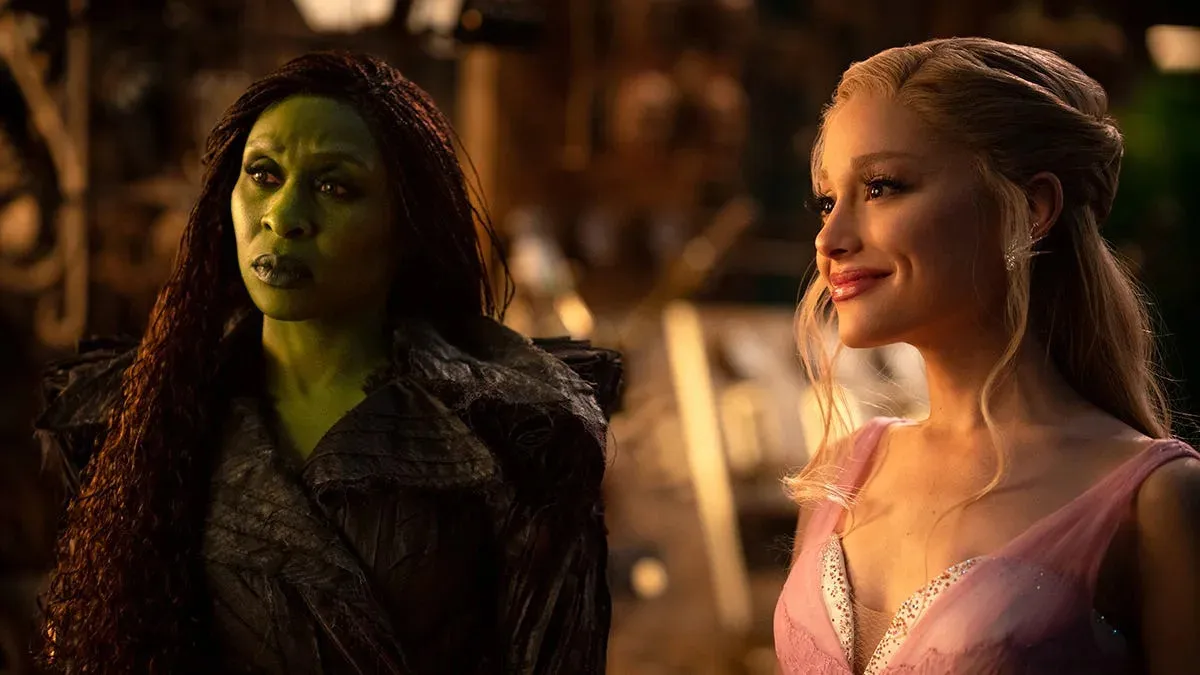
Wicked: For Good continues the tale of how Oz came to be home to its witches, both virtuous and wicked. This follow-up to Wicked: Part Iboth films adapted from the Broadway hit musical, which was inspired by Gregory Maguires novel Wicked: The Life and Times of the Wicked Witch of the Westfollows Glinda (Ariana Grande) and Elphaba (Cynthia Erivo) as they navigate the consequences of past decisions.
Glinda now resides in the Emerald City, spreading hope after the chaos caused by Elphaba, who has been exiled to the forest. For Good adds depth not included in the stage musical and introduces new compositions by Stephen Schwartz. Like its predecessor, the film is packed with subtle references and hidden details for attentive fans.
Easter Eggs and References
The Yellow Brick Road, first hinted at in Glindas suggestion in the first film, appears prominently in the opening scenes. The road, central to Dorothys eventual journey with the Scarecrow, Tin Man, and Cowardly Lion, is complemented by the rainbow tulip fields reminiscent of the classic The Wizard of Oz film.
Glindas line, come out wherever you are, echoes Billie Burkes iconic words in the 1939 movie. Elphabas magical spell scene with Nessaroses silver shoes nods to Dorothys ruby slippers, and the striped socks reference the Wicked Witch of the Easts feet under Dorothys house. Nessaroses silver shoes, featuring a tornado heel, later appear on Dorothys feet, emphasizing the continuity between the films.
After Nessaroses death, Elphaba and Glinda visit Munchkinland, engaging in a broom-and-wand duel teased in the first films song Loathing. Elphabas cackle mimics Margaret Hamiltons Wicked Witch of the West, and Glinda playfully responds, highlighting the original films influence.
Michelle Yeohs Madame Morrible creates a tornado using Nessarose to lure Elphaba, foreshadowing Dorothys house being carried to Oz. References to Dorothys dog, Toto, and the Lullaby League appear during Glinda and Fiyeros engagement scene. Elphaba writes Our Wizard Lies in the clouds, recalling the Wicked Witchs Surrender Dorothy message.
New Music and Character Transformations
Stephen Schwartz contributes two new songs, including No Place Like Home, performed by Erivo, which mirrors Dorothys famous line. The song explores Elphabas choice to remain in Oz or escape.
The film also shows Boq and Fiyero becoming the Tin Man and Scarecrow, fulfilling foreshadowing from the first film. The Cowardly Lion, voiced by Colman Domingo, is revealed as the cub Elphaba and Fiyero freed previously. These characters, alongside Dorothy, embark on their journey to meet the Wizard.
The Wizard and Final Easter Egg
Jeff Goldblums portrayal of the Wizard reflects the mechanical, larger-than-life figure from the original story, with visual nods to hot air balloons and the infamous water bucket scene. The films closing shot recreates the Broadway shows iconic promotional image: Elphaba staring into the camera while Glinda whispers beside her, teasing the possibility of another sequel.
Author: Sophia Brooks
Share

Disney Executive Jared Bush Knows Why 'Zootopia 2' Is a Massive Success in China
4 days ago 3 min read MOVIES

Top Gay Adult Entertainers of 2025, Ranked by Squirt
4 days ago 1 min read MOVIES
Conversation with Claudia Black and Indian Shaw-Smith about Power and Evolution of 'Spartacus: House of Ashur' Sequel
4 days ago 2 min read MOVIES

LEGO Set Highlights Most Haunted Location from Netflix's Stranger Things
4 days ago 2 min read MOVIES

The Romance Heats Up as Temperatures Rise in ‘People We Meet on Vacation’ Trailer
4 days ago 2 min read MOVIES

Laurie Metcalf and Nathan Lane to headline Broadway's revival of 'Salesman'
4 days ago 1 min read MOVIES
Travis Kelce's Former Partner Gets Criticized for Expressing Desire to Join DWTS
4 days ago 2 min read MOVIES
Marvel Star Grants Birthday Wish to DWTS’ Robert Irwin
4 days ago 2 min read MOVIES
BBC Studios Productions Chief Hopes to Recreate ‘Dancing With The Stars’ TikTok & YouTube Triumph Across Other Programs
4 days ago 2 min read MOVIES
'Sean Combs: The Reckoning' now streaming on Netflix: What you need to know about the docuseries produced by 50 Cent
4 days ago 3 min read MOVIES