

If Your Neighbors Were Jealous, You Drove One of These in the 1970s
- Last update: 4 days ago
- 5 min read
- 9 Views
- MOVIES
The 1970s marked a unique era for American car culture. Despite oil shortages and stricter emissions regulations reshaping the industry, the decade still produced some of the most coveted vehicles ever seen on the streets. Some of these cars were attainable trophies of success that turned heads in suburban neighborhoods, while others were ultra-rare exotic machines that only the luckiest buyers could call their own. Whether American muscle, European sports icons, or Italian-designed wedges sold through Lincoln-Mercury dealerships, each car shared one trait: the power to spark instant envy.
These cars transformed streets into stages, inspired conversations at gatherings, and proved that automotive passion thrived regardless of fuel prices or regulations. Lets explore the vehicles that defined driveway allure in the 1970s.
Plymouth Hemi 'Cuda
The Hemi 'Cuda epitomized American muscle at its peak. Its 426 Hemi V8 produced 425 horsepower, making it a thrill-seeker's dream. Only 652 units were built in 1970, instantly elevating its desirability. With its aggressive shaker hood scoop and bold colors like Plum Crazy and Lime Light, this car was a performance statement as much as a visual one. Owning a Hemi 'Cuda back then signaled serious dedication to speed, and today it remains one of the most valuable muscle cars ever produced.
Chevrolet Chevelle SS 454 LS6
Chevrolet responded to the horsepower race with the Chevelle SS 454 LS6, boasting 450 horsepower from its massive engine. It transformed the midsize Chevelle into a straight-line powerhouse, offering both raw strength and practical design. With its cowl-induction hood and signature stripes, the SS 454 was in a league of its own, representing the last era of unrestricted American muscle before stricter emissions rules came into play.
Porsche Carrera RS 2.7
While American makers wrestled with regulations, Porsche honed the air-cooled sports car formula. The Carrera RS 2.7, featuring the iconic ducktail spoiler, combined light weight and 210 horsepower for a pure driving experience. Rare and expensive in the U.S., spotting one was a glimpse of Stuttgarts dedication to driver-focused excellence.
Dodge Challenger R/T
Arriving later in the pony car scene, the Challenger R/T offered style and performance. Its 440 Six Pack engine generated 390 horsepower with three two-barrel carburetors, delivering thunderous acceleration and a distinctive exhaust. Offered in vibrant colors with options like shaker hoods and stripes, it balanced raw muscle with subtle refinement, making it a statement of power and taste.
Ferrari Daytona
The Daytona blended Italian elegance with a 352-horsepower V12 capable of nearly 175 mph. Its long hood, sharp lines, and hidden headlights created a presence that looked fast even at rest. Reserved for the wealthy, it symbolized grand touring sophistication, where speed and style were equally valued.
Oldsmobile 442 W-30
The 442 W-30 showcased Oldsmobiles engineering prowess. With cold-air induction, upgraded suspension, and red fender liners, the 455-cubic-inch V8 produced 370 horsepower. It offered a refined muscle car experience, combining performance with traditional comfort and quality, appealing to enthusiasts seeking power without excess aggression.
Lamborghini Miura SV
The Miura SV represented the ultimate supercar evolution of its era. With a mid-mounted V12 generating 385 horsepower and Bertones iconic design, it was automotive artistry in motion. Its scissor doors and dramatic curves created a presence that commanded attention, representing the pinnacle of exotic desirability.
Mercury Cougar Eliminator
The Mercury Cougar Eliminator added muscle to a refined pony car. With engines up to the Boss 302 and 428 Cobra Jet, bold graphics, rear spoilers, and luxurious interiors, it delivered performance without blending in. It offered an alternative for enthusiasts seeking muscle car thrills with upscale touches.
C3 Corvette
The C3 Corvette defined American sports car design through the 1970s. Early chrome-bumper models emphasized performance, while later versions prioritized cruising comfort. Its swoopy body, T-tops, and long-hood/short-deck proportions created an exotic impression, and owning one signaled style, excitement, and success.
Buick GSX
The GSX offered sophisticated performance. The Stage 1 455 engine delivered 360 horsepower with massive torque, while bold paint options and stripes made it visually striking. Limited production added to its collectible status, proving even Buick could create thrilling machines.
Datsun 240Z
The 240Z brought accessible sports car excitement to American buyers. Its inline-six engine produced 150 horsepower, and its balanced handling, long hood, and short deck made it a practical yet fun ride. Affordable compared to European competitors, it earned a devoted following among enthusiasts seeking style and driving pleasure without brand snobbery.
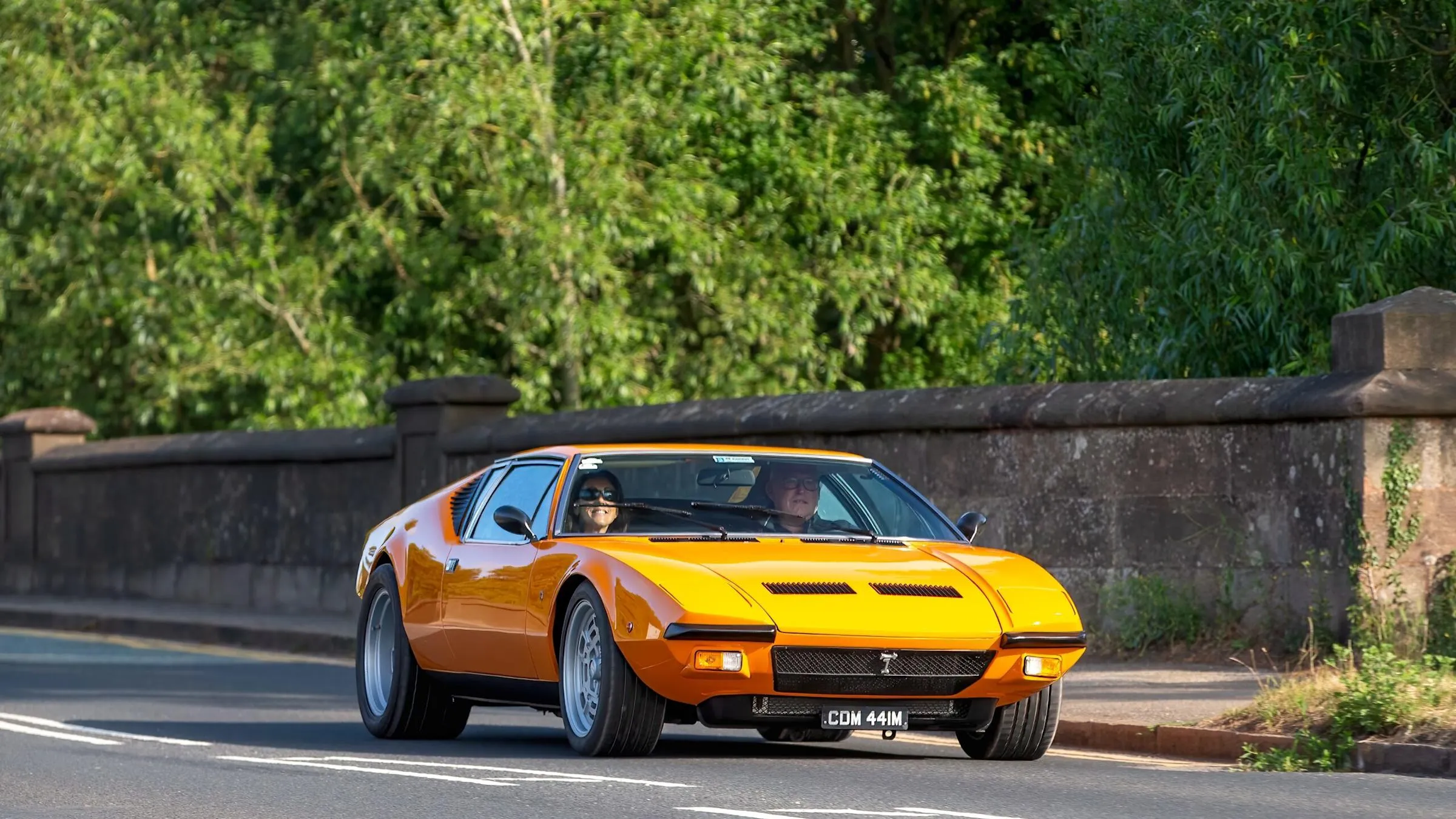
De Tomaso Pantera
The Pantera combined Italian design by Ghia with a mid-mounted Ford 351 Cleveland V8, blending exotic looks with American reliability. Its wedge shape and pop-up headlights made it striking, while servicing was accessible at local Lincoln-Mercury dealerships. It offered the thrill of European exotica in a surprisingly attainable package.
AMC AMX/3
The AMX/3 never reached consumersonly six were builtbut it remains a legendary what if. Featuring a mid-mounted 340-horsepower AMC V8 and Italian-inspired design, it could have competed with Europes best. Though never mass-produced, it represented the ambition and imagination of American automakers in the 1970s.
The 1970s produced an extraordinary mix of vehicles reflecting diverse automotive passions. From raw American muscle to refined European sophistication, these cars symbolized performance, style, and desire. They defined an era when driving was more than transportationit was a statement of personality, ambition, and success.
Author: Sophia Brooks
Share

Disney Executive Jared Bush Knows Why 'Zootopia 2' Is a Massive Success in China
3 days ago 3 min read MOVIES

Top Gay Adult Entertainers of 2025, Ranked by Squirt
3 days ago 1 min read MOVIES

Conversation with Claudia Black and Indian Shaw-Smith about Power and Evolution of 'Spartacus: House of Ashur' Sequel
3 days ago 2 min read MOVIES

LEGO Set Highlights Most Haunted Location from Netflix's Stranger Things
3 days ago 2 min read MOVIES

The Romance Heats Up as Temperatures Rise in ‘People We Meet on Vacation’ Trailer
3 days ago 2 min read MOVIES

Laurie Metcalf and Nathan Lane to headline Broadway's revival of 'Salesman'
3 days ago 1 min read MOVIES

Travis Kelce's Former Partner Gets Criticized for Expressing Desire to Join DWTS
3 days ago 2 min read MOVIES

Marvel Star Grants Birthday Wish to DWTS’ Robert Irwin
3 days ago 2 min read MOVIES

BBC Studios Productions Chief Hopes to Recreate ‘Dancing With The Stars’ TikTok & YouTube Triumph Across Other Programs
3 days ago 2 min read MOVIES

'Sean Combs: The Reckoning' now streaming on Netflix: What you need to know about the docuseries produced by 50 Cent
3 days ago 3 min read MOVIES