

When did movies become so dull?
- Last update: 3 days ago
- 3 min read
- 17 Views
- MOVIES
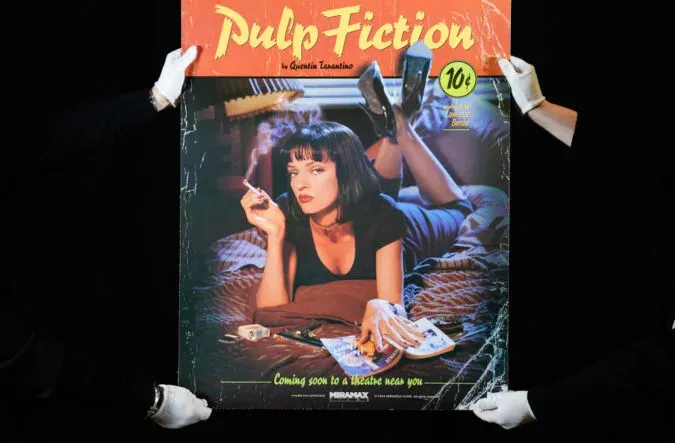
Over the decades, cinema has experienced a remarkable journey, from its early experimental stages to the dominance of sequels and franchise films. Once, each decade brought entirely new genres and filmmaking styles that captured audiences imaginations. The 1910s were dominated by Charlie Chaplins silent comedies. The 1920s introduced sound, transforming films into grander productions. The 1930s saw the rise of Gangster Films, Musicals, Spectacle Films, and Slapstick Comedy. The 1940s brought Film Noir, Italian Neorealism, and narratives centered on powerful women. The 1950s introduced Teen Movies, Alien Panic Films, and Biblical Epics, all new to contemporary audiences.
The 1960s shook cinema further with a wave of visionary directors. The French New Wave brought Godard, Antonioni, Tarkovsky, and Fellini, while Hollywood Mavericks like Coppola, Lucas, and Friedkin began reshaping American cinema. The 1970s gave birth to the Blockbuster phenomenon, once a novel idea. The 1980s introduced the Sequel as a recognized genre, alongside Buddy Cop films, flashy comedies, and additional blockbusters. The 1990s saw the rise of Indie Films as a new movement, bringing originality back to screens.
However, the 2000s marked a shift. Despite strong indie works from directors like David Lynch and Darren Aronofsky and continuing blockbuster releases, the era lacked a defining new genre. The rise of online video platforms and social media diverted audiences, and studios, wary of repeating the music industrys struggles, focused on familiar content: sequels, adaptations, and nostalgic properties. Innovation stalled, leaving no fresh cinematic movement in that decade.
By the 2010s, this trend intensified. Most top-grossing films were sequels, remakes, or superhero titles, while original mid-budget films became scarce. Streaming platforms temporarily filled this void, offering new films and series from notable directors like Spike Lee, David Fincher, and Cary Joji Fukunaga. Yet, the priorities of these tech-driven platforms emphasized scalable, globally accessible content over cinematic artistry. As a result, the decade produced quantity rather than groundbreaking new film styles.
The 2020s show little change. Sequels continue to dominate box offices, and streamers increasingly favor films that appear valuable but lack substance. Emerging generative AI technologies threaten to further disrupt filmmaking, allowing studios to cut costs by automating content production, potentially undermining the traditional structure of the industry.
Yet, the essence of cinemadriven by passionate filmmakersis not extinguished. Innovative, human-centered films are emerging, promising a revival of originality and authenticity. When audiences tire of mass-produced, AI-generated content, these new works will offer a vibrant, renewed cinematic experience. The birth of the next wave of film is on the horizon, and audiences will finally encounter the fresh voices and stories they deserve.
Author: Sophia Brooks
Share

Disney Executive Jared Bush Knows Why 'Zootopia 2' Is a Massive Success in China
3 days ago 3 min read MOVIES

Top Gay Adult Entertainers of 2025, Ranked by Squirt
3 days ago 1 min read MOVIES

Conversation with Claudia Black and Indian Shaw-Smith about Power and Evolution of 'Spartacus: House of Ashur' Sequel
3 days ago 2 min read MOVIES

LEGO Set Highlights Most Haunted Location from Netflix's Stranger Things
3 days ago 2 min read MOVIES

The Romance Heats Up as Temperatures Rise in ‘People We Meet on Vacation’ Trailer
3 days ago 2 min read MOVIES

Laurie Metcalf and Nathan Lane to headline Broadway's revival of 'Salesman'
3 days ago 1 min read MOVIES

Travis Kelce's Former Partner Gets Criticized for Expressing Desire to Join DWTS
3 days ago 2 min read MOVIES

Marvel Star Grants Birthday Wish to DWTS’ Robert Irwin
3 days ago 2 min read MOVIES

BBC Studios Productions Chief Hopes to Recreate ‘Dancing With The Stars’ TikTok & YouTube Triumph Across Other Programs
3 days ago 2 min read MOVIES

'Sean Combs: The Reckoning' now streaming on Netflix: What you need to know about the docuseries produced by 50 Cent
3 days ago 3 min read MOVIES