

Controversial: AI regulations at the state level
- Last update: 12 hours ago
- 2 min read
- 789 Views
- POLITICS
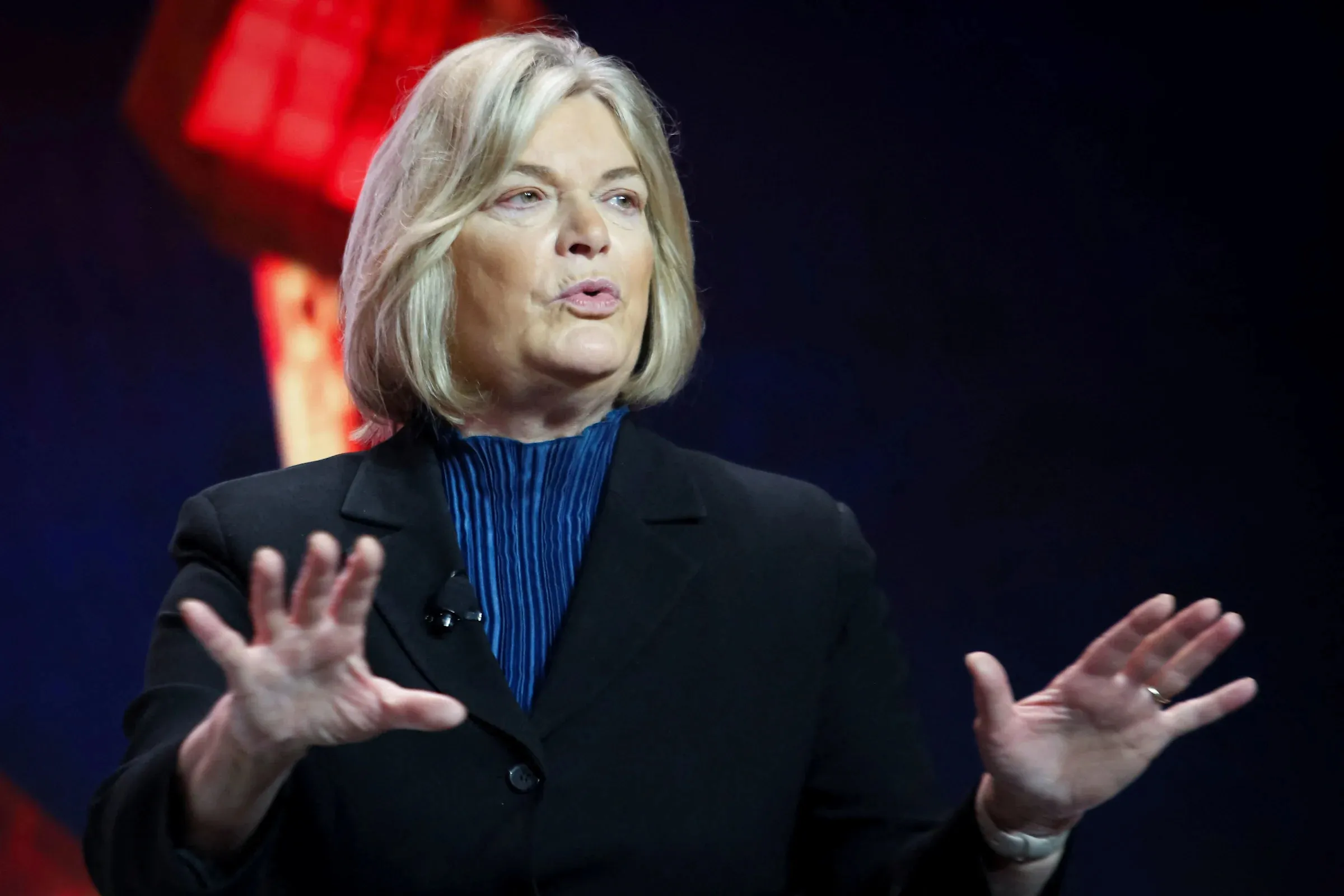
The White House and congressional allies recently sparked a heated discussion within the Republican Party by attempting to prevent individual states from imposing their own regulations on artificial intelligence. Although House Republicans were unsuccessful in attaching a nationwide prohibition on state-level AI rules to their annual defense legislation, the issue remains unresolved. Some lawmakers continue to advocate for limiting actions by states like California that have implemented independent AI restrictions, while the likelihood of a unified federal framework passing soon appears low.
Former President Donald Trump and other Republicans have sided with industry groups, which argue that navigating a patchwork of state laws is burdensome. However, other GOP members caution against excessive federal intervention.
Voices in the Discussion
Senator Cynthia Lummis (R-Wyo.), a Commerce Committee member, emphasized the need for a national baseline of AI regulation but opposed blocking states from going further: There should be a national standard serving as a foundation, but preventing states from adding stricter rules is a mistake. While AI should be allowed to develop its full civilian potential under a national baseline, states that want to provide extra protections should be able to do so.
Lummis highlighted examples like Tennessee, which enacted laws to safeguard the name, image, likeness, and voice rights of local artists. She noted that AI might eventually be able to distinguish individual performers identities, but until then, state-level protections remain important.
Nathan Leamer, executive director of Build American AI, associated with the pro-AI group Leading the Future, warned that a fragmented regulatory landscape could hurt the economy and stifle innovation: Americas long-term economic and technological leadership depends on Congress and the administration creating a clear, national AI framework. Currently, roughly 1,200 separate AI proposals across 50 states risk undermining our economy, workforce, and the ability to protect users, families, and communities, while ceding leadership to nations like China. This inconsistency imposes heavy compliance burdens and slows entrepreneurial activity, threatening Americas role as a global technology leader.
In addition, efforts to include restrictions on exporting advanced chips to China and other rival nations were also removed from the defense bill. Leading the Future, backed with $100 million from Andreessen Horowitz and an OpenAI cofounder, continues to push for federal-level coordination on AI policy.
Author: Ava Mitchell
Share

Senators introduce legislation to prevent Trump from relaxing restrictions on AI chip sales to China
9 hours ago 2 min read BUSINESS

Senators introduce bill to prevent Trump from easing restrictions on AI chip sales to China
9 hours ago 2 min read BUSINESS

AI company efforts ranked in safety report card for protecting humanity
10 hours ago 3 min read BUSINESS
US Health Department Reveals Plan to Increase Use of AI Technology
12 hours ago 3 min read BUSINESS
Trump's proposal to prohibit state regulation of AI faces another obstacle
12 hours ago 1 min read POLITICS

China's AI-powered censorship and surveillance intensify further
1 days ago 3 min read BUSINESS
3 important issues confronting Washington regarding AI
1 days ago 3 min read BUSINESS

Leading AI companies do not pass safety test for superintelligence
2 days ago 3 min read BUSINESS
Scalise suggests GOP leaders considering alternative locations for AI preemption as NDAA push faces obstacles
2 days ago 3 min read POLITICS

China employs artificial intelligence for censorship and surveillance
3 days ago 1 min read WORLD