

Scalise suggests GOP leaders considering alternative locations for AI preemption as NDAA push faces obstacles
- Last update: 2 days ago
- 3 min read
- 13 Views
- POLITICS
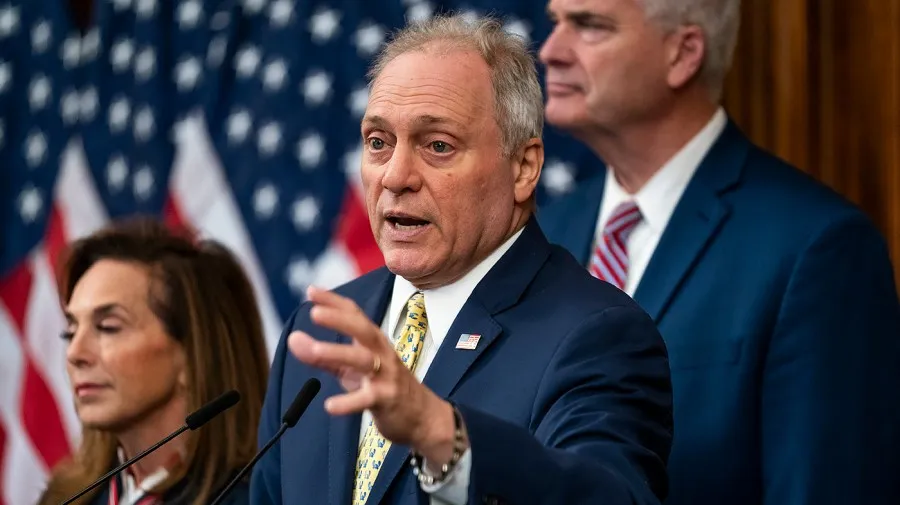
House Majority Leader Steve Scalise (R-La.) stated on Tuesday that Republican leaders are exploring alternative ways to insert a measure that would block state-level AI legislation, after encountering obstacles including it in the annual defense bill. Efforts to include AI preemption in the National Defense Authorization Act (NDAA), a move supported by former President Trump, have recently caused divisions among Republican lawmakers during the final stages of negotiations.
We need to find a suitable avenue for this, Scalise told reporters. Its an important measure, but it requires building a separate coalition. Adding it to this bill would have been ideal, but the NDAA wasnt the best fit.
He added, Were still evaluating other options because there is ongoing interest. The president has highlighted this issue publicly.
Earlier this year, Republicans attempted to insert a 10-year ban on state AI laws into Trumps tax and spending package, but the provision was removed due to opposition from within the party. In late November, House GOP leaders renewed their efforts, considering the NDAA as a potential vehicle, only to again face resistance from members of their own party, including Rep. Marjorie Taylor Greene (R-Fla.), Alabama Governor Sarah Huckabee Sanders, and Florida Governor Ron DeSantis.
Trump actively pushed for Congress to approve a federal ban on state AI laws, either as part of the NDAA or as a standalone bill. Reports suggest he also considered an executive order targeting state AI measures, though lawmakers reportedly urged him to delay while efforts to include the provision in the defense bill continued.
The White House and supporters argue that federal preemption is essential to prevent a fragmented landscape of state regulations, which could hinder innovation as the U.S. competes with China in AI development. Theres still a strong interest in ensuring states like California dont stifle AI innovation, similar to the effect European rules had on their technology sector, Scalise said.
He emphasized the scale of investment in the sector: Companies are putting billions of dollars into AI. We want those investments to remain in the United States. When states impose inconsistent regulations, it draws federal attention to ensure a unified market that promotes innovation rather than restricting it.
On the same day, Senate Majority Leader John Thune (R-S.D.) also expressed doubts about the preemption provisions likelihood of passing. He noted that the White House is working with senators and representatives to find a compromise that maintains states rights while addressing the issue. Both sides remain entrenched, Thune added.
Author: Sophia Brooks
Share
GOP lawmakers criticize MTG for missing votes following her resignation from Congress
1 minutes ago 2 min read POLITICS

Are Americans in favor of Trump's boat strikes? It's complex.
6 minutes ago 3 min read POLITICS

Trump Inserts Bizarre Election Falsehood into Christmas Tree Celebration
8 minutes ago 2 min read POLITICS
Trump to embark on campaign against the affordability 'hoax'
11 minutes ago 2 min read POLITICS

Protesters Condemn Targeting of Somali Community by Anti-Trump Supporters
11 minutes ago 3 min read POLITICS

Live broadcast: Trump oversees signing of peace deal between Rwanda and Congo
12 minutes ago 1 min read POLITICS
Trump dismisses White House ballroom architect amid increasing scrutiny
13 minutes ago 3 min read POLITICS

Melania Trump embraces the Christmas spirit as construction weariness fades
16 minutes ago 2 min read POLITICS

Leticia James' attempt to reindict fails; Fresh boat strike adds to Capitol tensions
17 minutes ago 3 min read POLITICS

Van Epps takes oath of office 2 days after winning Tennessee special election
20 minutes ago 2 min read POLITICS