

The Department of Defense Renaming Costs Will Surprise You
- Last update: 1 hours ago
- 2 min read
- 185 Views
- POLITICS
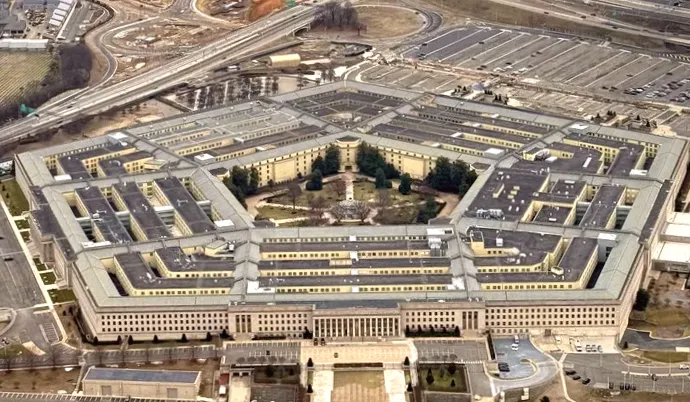
The Trump Administration's initiative to rename the Department of Defense (DOD) is largely symbolic. Pentagon chief Pete Hegseth has described it as a move that "clarifies the mission connected to winning wars," according to Military.com. The most visible effects so far are updated plaques and a refreshed online presence on the departments website and social media, reflecting a name the agency has not used since 1947.
This renaming aligns with the administration's preference for restoring historical military traditions, harking back to when the organization was known as the "Department of War." However, despite the administrations focus on reducing government spending, experts estimate that implementing this simple name change could cost taxpayers up to $2 billion, according to NBC News. By comparison, renaming just nine military bases that had been named after Confederate figures cost $62 million.
While the Pentagon can adopt the new name internally, Congress must approve legislation for it to become official. That legislative process carries its own costs, diverting attention from other priorities such as budget measures aimed at controlling inflation, supporting Medicare, and other essential governance tasks.
The practical implications are substantial. There are approximately 4,800 military sites worldwide displaying DOD signage, all of which would require updating. Additionally, every document featuring the DOD logotraining manuals, recruitment materials, memos, strategy documents, and digital databaseswould need revision. Identification cards for soldiers and civilian contractors around the globe would also have to be reissued.
These updates affect not only the federal budget but also personnel. Beyond the more than 2 million active service members, roughly 950,000 civilian employees are part of the DOD, all of whom may face indirect costs during the transition. The broader implications of the renaming could influence public perception of the military and potentially introduce new operational expenses.
President Trump previously remarked in August, "We want to be defensive, but we want to be offensive too, if we have to be," signaling the start of this rebranding effort. Should Congress approve the change, the process will require extensive logistical coordination and significant financial resources to fully implement across the department.
Author: Maya Henderson
Share

Justice Department urges Supreme Court to prevent immigration judges from filing free speech lawsuit
1 minutes ago 3 min read POLITICS

The Supreme Court has made gerrymandering almost impossible to challenge
5 minutes ago 4 min read POLITICS

What is known about the suspected pipe bomber before the 2021 US Capitol riot
5 minutes ago 3 min read POLITICS

CNN captures someone laughing as Trump receives brand new prize on hot mic
7 minutes ago 2 min read POLITICS

Trump receives first ever Fifa peace prize during World Cup draw in Washington
10 minutes ago 3 min read POLITICS

Trump Describes Receiving 'FIFA Peace Prize' as 'One of the Greatest Honors of My Life'
10 minutes ago 2 min read POLITICS

Trump boasts of $20 trillion in new U.S. investments, but figures don't align
13 minutes ago 4 min read POLITICS

World Cup 2026: Donald Trump Receives Peace Prize
16 minutes ago 1 min read POLITICS

Bondi lays out options for prosecuting antifa, left-leaning groups after Trump's call
19 minutes ago 3 min read POLITICS

Trump celebrates winning FIFA's new peace prize with a big smile
23 minutes ago 2 min read POLITICS