

Trump's Selection of Federal Prosecutors Continues to Fail Him
- Last update: 3 days ago
- 4 min read
- 37 Views
- POLITICS
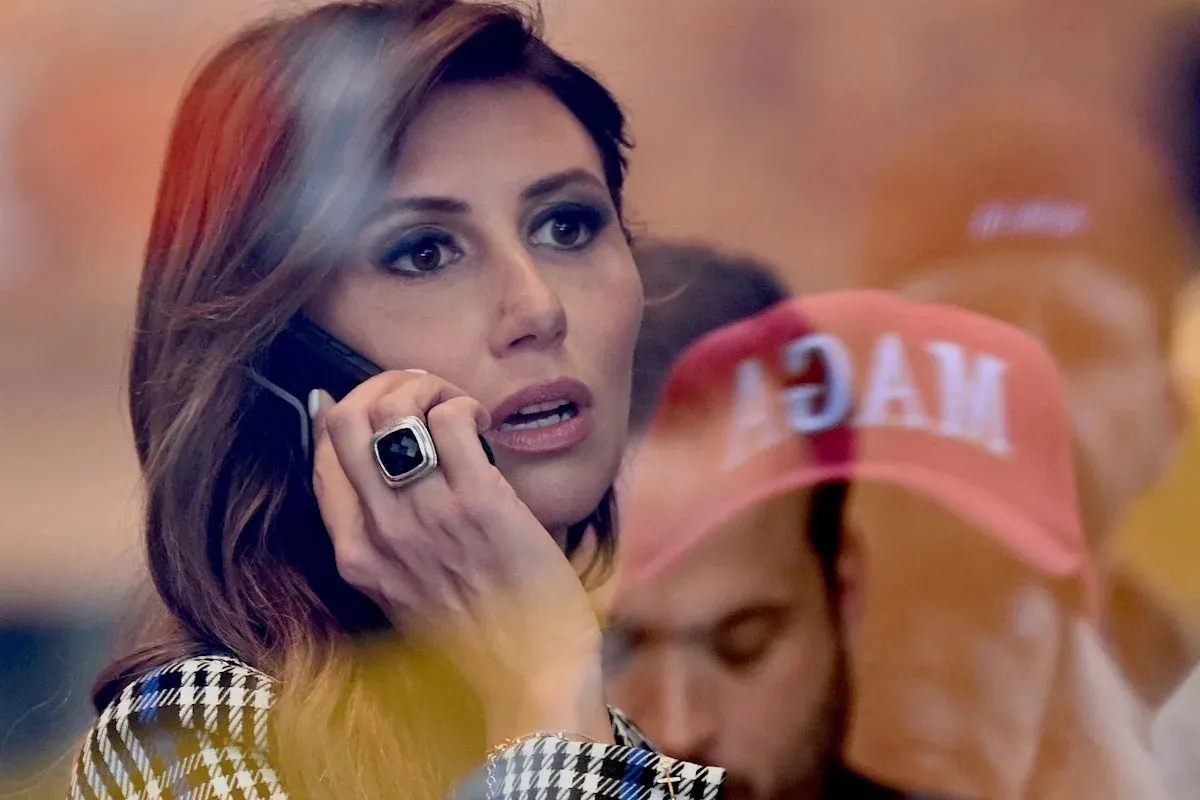
The past week has been particularly challenging for a subset of lawyers connected to former President Donald Trump. These are attorneys who served him personally while he was out of office and later received controversial appointments as interim federal prosecutors earlier this year without Senate confirmation. Remarkably, more than one attorney in this category exists.
On Monday, the Third Circuit Court of Appeals determined that Alina Habba, who had been serving as acting U.S. attorney for the District of New Jersey, was unlawfully appointed. The three-judge panel concluded that the Trump administration violated federal law governing vacant U.S. attorney positions by elevating her to lead federal prosecutor in New Jersey.
This ruling followed a separate federal district court decision in Virginia, which dismissed charges against former FBI Director James Comey and New York Attorney General Letitia James. The dismissal arose because the prosecutor assigned to their cases, Lindsay Halligan, had been unlawfully appointed as acting U.S. attorney for the Eastern District of Virginia. Attorney General Pam Bondi had elevated Halligan to pursue indictments against Comey and James at Trump's request, despite her predecessor determining insufficient evidence existed for charges.
While such errors would be damaging for a standard presidential administration, the Trump administrations frequent disregard for procedural rules made them more predictable. Halligans case drew particular attention due to the high-profile defendants and her lack of prosecutorial experience.
Federal criminal cases are usually managed by U.S. attorneys in one of 93 offices nationwide, corresponding largely to the 94 federal district courts. These offices, often comprising dozens to hundreds of lawyers, handle both criminal prosecutions and civil litigation, all under the supervision of a U.S. attorney. These attorneys require presidential nomination and Senate confirmation under the Constitutions Appointments Clause.
The Federal Vacancies Reform Act (FVRA) of 1998 provides a mechanism to temporarily fill vacant U.S. attorney positions. It designates the first assistant U.S. attorney as acting U.S. attorney during vacancies and allows the president to appoint interim U.S. attorneys for a 120-day period. After that, further appointments must typically be made by federal courts to avoid constitutional conflicts.
In Halligans case, the Senate-confirmed U.S. attorney resigned on January 20. Erik Siebert, a career EDVA attorney, became interim U.S. attorney the following day. When Siebert resigned in September due to disputes over pursuing cases against Comey and James, Bondi appointed Halligan, a lawyer without prosecutorial experience, to the interim role. She subsequently signed indictments against both defendants, who challenged her authority as unlawful. The dispute centered on whether FVRA allowed multiple interim appointments without Senate approval.
Judge Cameron McGowan Currie sided with Comey, ruling that the attorney general cannot indefinitely appoint interim prosecutors without Senate confirmation, citing FVRA and historical guidance from Samuel Alito. Bondi attempted to retroactively secure Halligans authority by designating her a special attorney, but Currie noted no law allowed rewriting past appointments.
In New Jersey, Trump and Bondi appointed Habba as interim U.S. attorney, even though she lacked prosecutorial experience and faced opposition from the states senators. When her 120-day term expired in July, district judges appointed Desiree Leigh Grace, the first assistant, as interim U.S. attorney. Bondi then removed Grace and reinstalled Habba as first assistant, simultaneously granting her special attorney authority. Federal defendants challenged the legality of indictments Habba had signed.
The Third Circuit rejected Habbas appointment on two grounds: only the first assistant at the time of a vacancy can automatically become interim U.S. attorney, and the attorney general cannot appoint someone unconfirmed by the Senate. FVRA explicitly bars acting officials from temporarily holding positions for which the president has submitted a Senate nomination.
While technical, these rulings have significant practical impact. Habba is barred from participating in New Jersey cases, and Halligans unlawful appointment led to the dismissal of charges against Comey and James, raising concerns that other legitimate prosecutions she oversaw may have been jeopardized.
Trumps second term in office demonstrates continued disregard for legal norms, prioritizing personal and political objectives over procedural rules. Until the administration respects statutory and constitutional processes, such legal setbacks are likely to continue, unless reversed by higher courts.
Author: Sophia Brooks
Share
Schumer to push Senate GOP to vote on three-year extension of health insurance subsidies
2 minutes ago 2 min read POLITICS
Congressman Robert Garcia and Maine Governor Janet Mills target Trump at LGBTQ+ leadership conference
4 minutes ago 3 min read POLITICS
"We're Not Naive!" Mika Brzezinski Ridicules Admiral's Assertion that Attacked Sailors Could Carry on Drug Running 'Mission'
4 minutes ago 2 min read POLITICS
Kash Patel Utilized FBI as a Taxi Service for His Girlfriend's Intoxicated Friend
4 minutes ago 2 min read POLITICS
Amid conflict and disagreements, Mike Johnson's political future is questioned again
5 minutes ago 2 min read POLITICS
Lawmakers briefed on alarming double-tap strike
6 minutes ago 3 min read POLITICS

Innocent Afghans Face Broad Punishment After Deadly Attack
8 minutes ago 3 min read POLITICS

Implications for Maine from Superfund cuts and delays in PFAS cleanup
9 minutes ago 3 min read POLITICS
Patel accuses Biden of withholding evidence in January 6 pipe bomb case
10 minutes ago 2 min read POLITICS
Pete Hegseth Proudly Talks About Bombing Another Boat Amid Growing Outrage
12 minutes ago 2 min read POLITICS