

9 celestial phenomena to observe in December, including a supermoon and an extraordinary interstellar comet
- Last update: 4 days ago
- 3 min read
- 43 Views
- SCIENCE
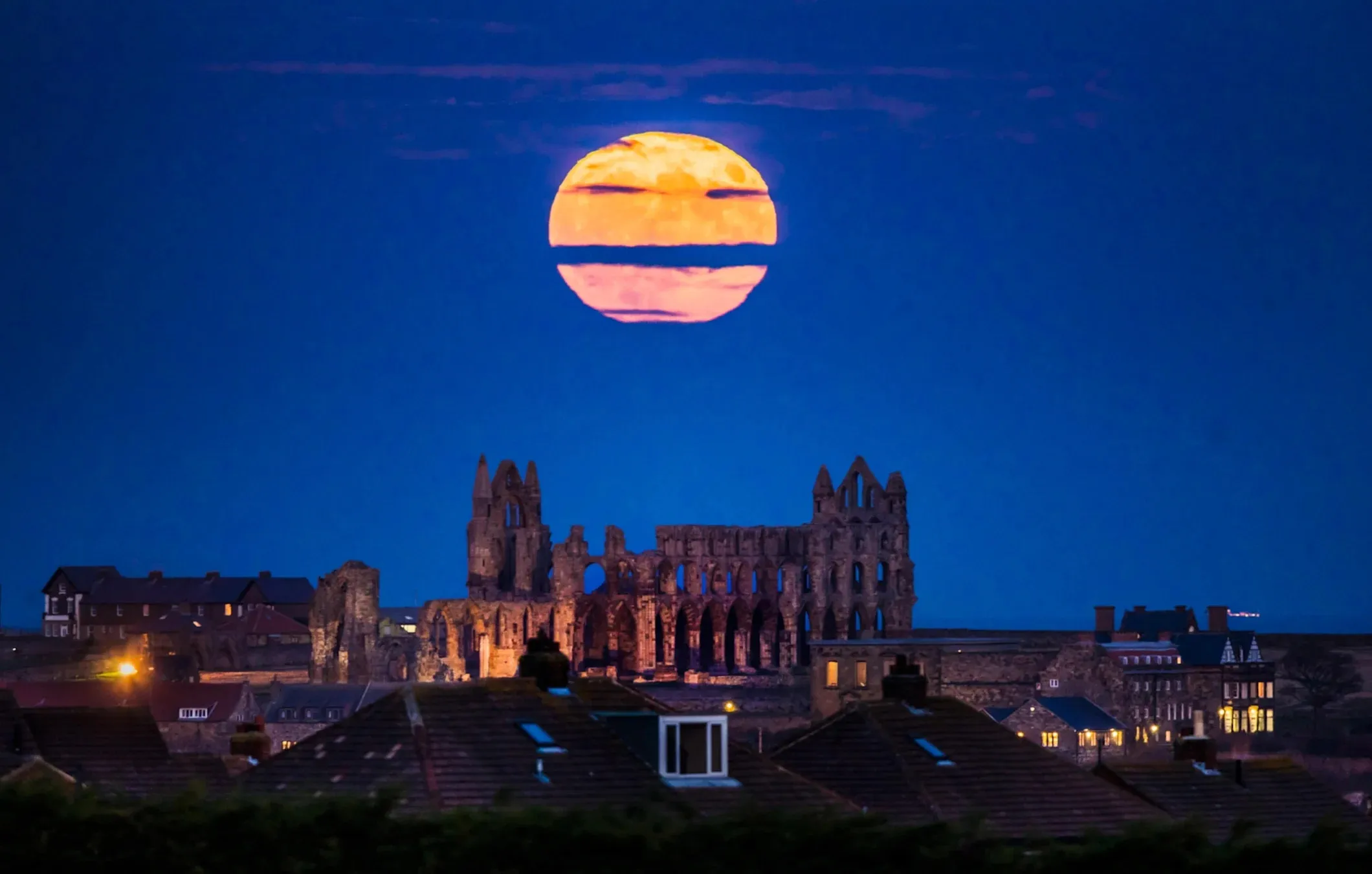
If Novembers aurora displays got you excited, December promises even more celestial spectacles. This month offers early planet sightings, a luminous supermoon, and one of 2025s most anticipated meteor showers. By months end, a striking Jupiter will cap off a year of stargazing and hint at whats ahead in 2026. Here are nine key night-sky events to catch, most visible without any equipment and best seen from dark, remote locations.
Final Full Moon and Supermoon
The last full moon of 2025 is a supermoon, occurring when the Moons full phase coincides with its closest approach to Earth, or perigee. During this time, it can appear up to 14% larger and 30% brighter than at its farthest point, known as apogee.
Mercury at Greatest Elongation December 7
Mercury rarely wanders far from the Sun, but on December 7, it reaches its greatest elongation, the widest visible separation from the Sun. This is the perfect moment to spot the swift planet about an hour before sunrise. Look east for Mercury with Venus nearby, and catch the rising Moon at sunset for an optical illusion that makes it seem unusually large, especially against trees or buildings.
Geminid Meteor Shower December 1314
The Geminids will light up the sky during their peak on December 1314. This reliable shower can produce 60120 meteors per hour under ideal dark-sky conditions. This years timing is favorable, with a waning crescent moon rising only around 2 a.m., offering hours of uninterrupted viewing. Watch for bright fireballs and yellowish streaks across the sky.
Orion Nebula and Orions Belt Mid-December
December is ideal for observing the Orion Nebula, also known as Messier 42. This star-forming cloud of dust and gas is visible to the naked eye, while a telescope reveals colorful details in blue, pink, and green. The best viewing occurs around December 15 at midnight, beneath Orions iconic three-star belt.
Comet 3I/ATLAS Closest Approach December 19
The interstellar Comet 3I/ATLAS will pass roughly 170 million miles from Earth on December 19. This rare visitor, likely over seven billion years old, is visible with telescopes rather than the naked eye. Look for it near the constellation Leo to witness how it survived its recent close pass by the Sun.
Winter Solstice December 21
December 21 marks the shortest day of the year in the Northern Hemisphere, a prime period for aurora spotting, as solar activity remains elevated. In the Southern Hemisphere, its the longest day of the year.
Ursid Meteor Shower December 2122
Although less intense than the Geminids, the Ursids offer up to 10 meteors per hour under dark skies, peaking just before dawn. The radiant lies near Ursa Minor, but streaks can appear throughout the night.
Moon and Saturn Conjunction December 26
On the evening of December 26, a waxing crescent Moon will appear within four degrees of Saturn. Both are visible in the southern sky after sunset and set by midnight.
Jupiters Rising Brilliance Late December
Earth approaches a position directly between the Sun and Jupiter, known as opposition, making the gas giant appear larger and brighter. While official opposition occurs in early January, Jupiter steadily brightens from late December, rising in the northeast shortly after sunset and remaining visible all night.
Author: Sophia Brooks
Share

Elon Musk predicts AI will render most skills irrelevant, but assures his children can still pursue higher education if they choose to
3 days ago 2 min read SCIENCE

What is the current status of SOCOM's AI targeting tests?
3 days ago 3 min read SCIENCE
Scientists uncover unsettling findings about wildfire smoke: 'Unnoticed chemical reactions'
3 days ago 2 min read SCIENCE
Tesla observers verify sightings of long-awaited new model on streets: 'It's an attractive car'
3 days ago 2 min read SCIENCE

Report suggests that the ship fire was probably caused by a battery
3 days ago 2 min read SCIENCE
Researchers discover remarkable effects of structures constructed by wild animals: 'Balancing costs and advantages'
3 days ago 3 min read SCIENCE

Curiosity Uncovered a Big Surprise Inside a Rock on Mars
3 days ago 3 min read SCIENCE

NASA Makes Significant Progress Towards Artemis II's Moon Mission
3 days ago 2 min read SCIENCE
NASA warns scientists about rapid acceleration of ocean changes: 'Speeding up'
3 days ago 2 min read SCIENCE
Surprising find in wetlands a decade after reintroducing extinct beavers: 'Has the potential to change local ecosystems'
3 days ago 2 min read SCIENCE