

AI toys have arrived. Proceed with caution.
- Last update: 4 days ago
- 4 min read
- 39 Views
- SCIENCE
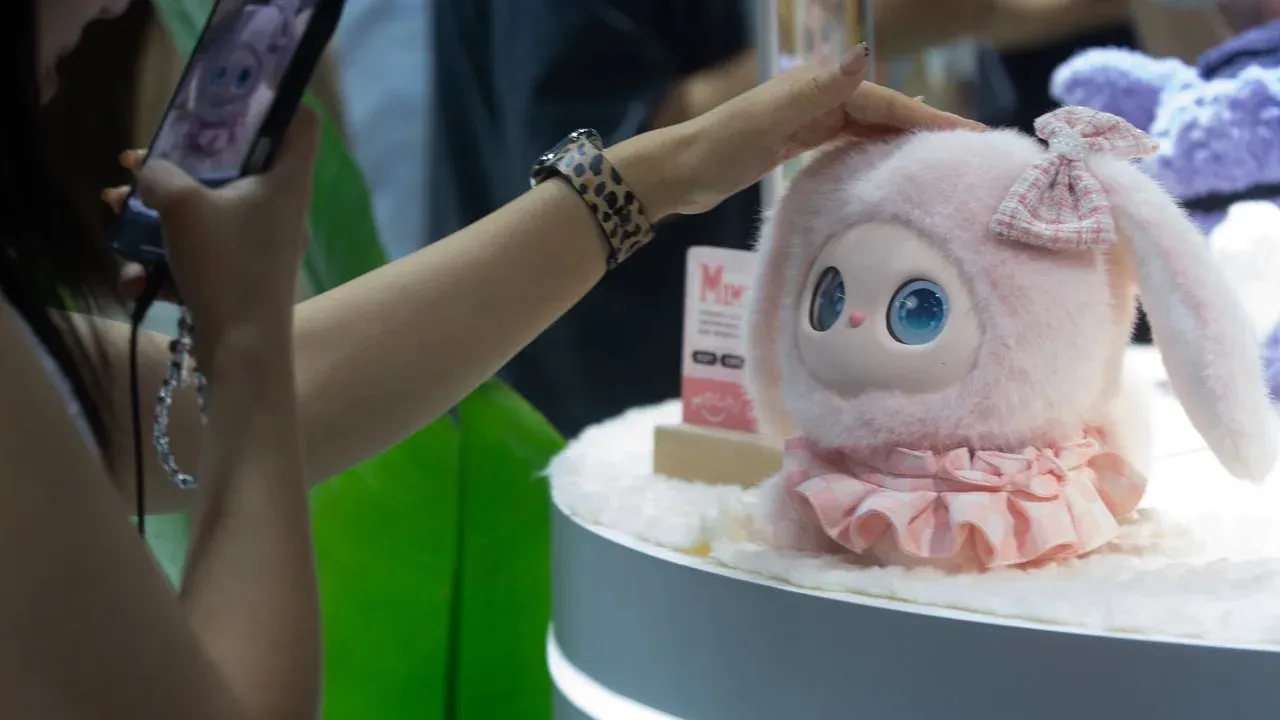
The market for AI-powered gifts is experiencing explosive growth. Smart AI toys alone are valued at almost $35 billion worldwide, with projections suggesting they could reach $270 billion by 2035. China is expected to contribute about 40% of this expansion. Leading retailers, including Walmart and Costco, have already started stocking AI companions, and traditional toy companies such as Mattel are collaborating with OpenAI to integrate AI into childrens playrooms.
The appeal is clear. AI is already embedded in our smartphones, workplaces, and daily routines, so extending it to the gift-giving space seems natural. These gadgets promise adaptive, interactive experiences far beyond what conventional toys offer. However, the risks commonly associated with AIprivacy breaches, harmful content, and psychological hazardsare equally present in these devices. The issues that have triggered lawsuits and regulatory scrutiny for chatbots and AI assistants now appear under the Christmas tree, packaged for young audiences.
Privacy and Safety Concerns
These AI toys are not fringe products. Many operate on mainstream AI platforms, including OpenAIs technology, which explicitly warns against use by young children. Despite this, some toys marketed to toddlers are powered by these systems. Privacy remains a major concernAI toys are constantly listening, recording conversations, and transmitting data to servers. Research by the Public Interest Research Group found one toy storing biometric data for three years, while another shared recordings with third parties for transcription. In the event of a data breach, such information could be exploited to clone a childs voice or facilitate scams targeting parents.
Psychological Implications
Child development specialists are also sounding alarms about AI companions potential impact on young minds. When children form attachments to AI toys that are always compliant and attentive, it may alter how they interact with real peers who have independent personalities. Traditional play encourages imagination and problem-solving, but AI toys provide instant, polished responses that can bypass these developmental benefits.
Adults are not immune to concerns either. The Friend pendant, an AI companion necklace promoted with a $1 million New York subway campaign, quickly drew criticism. Passengers defaced the ads with messages like AI is not your friend, reflecting broader unease about technology replacing human connection. Lawsuits against companies such as Character AI, OpenAI, and Meta highlight incidents where chatbots allegedly prompted delusions, self-harm, or dangerous behaviors. Some extreme cases have even involved fatalities, linked to prolonged interactions with AI that reinforced harmful beliefsa phenomenon researchers call AI psychosis.
Limitations of AI Safety Measures
The tech industry has responded with safety features and guardrails, but tests reveal these measures can fail during extended interactionsthe exact scenarios AI toys are designed to encourage. Unlike mobile chatbots that can be closed, AI toys remain constantly accessible in a childs room, increasing the risk of obsessive use and prolonged influence.
Varied Risk Levels Across AI Devices
Not all AI gifts present the same dangers. Some are designed for specific, limited tasks rather than open-ended companionship. Wearable note-taking devices, smart mattresses that adjust temperature for sleep, and toilet attachments analyzing health markers primarily collect data to optimize personal routines. These devices raise privacy questionswho accesses this data, and what if its compromisedbut they do not attempt to replace human interaction or shape child development.
Racing Ahead of Research and Regulation
The common issue across all AI-powered gifts, whether toys, wearable devices, or health monitors, is that they are entering the market faster than long-term effects can be studied. Currently, there are no regulations specific to AI toys, no mandatory safety testing for digital companions, and no standards on how much intimate data they may collect. Products are reaching households before researchers or regulators can assess consequences, leaving children and families as unwitting participants in a vast, real-time experiment. By the time the impact on developing brains or family dynamics becomes clear, millions of devices will already be in use.
Author: Sophia Brooks
Share

Elon Musk predicts AI will render most skills irrelevant, but assures his children can still pursue higher education if they choose to
3 days ago 2 min read SCIENCE

What is the current status of SOCOM's AI targeting tests?
3 days ago 3 min read SCIENCE
Scientists uncover unsettling findings about wildfire smoke: 'Unnoticed chemical reactions'
3 days ago 2 min read SCIENCE
Tesla observers verify sightings of long-awaited new model on streets: 'It's an attractive car'
3 days ago 2 min read SCIENCE

Report suggests that the ship fire was probably caused by a battery
3 days ago 2 min read SCIENCE
Researchers discover remarkable effects of structures constructed by wild animals: 'Balancing costs and advantages'
3 days ago 3 min read SCIENCE

Curiosity Uncovered a Big Surprise Inside a Rock on Mars
3 days ago 3 min read SCIENCE

NASA Makes Significant Progress Towards Artemis II's Moon Mission
3 days ago 2 min read SCIENCE
NASA warns scientists about rapid acceleration of ocean changes: 'Speeding up'
3 days ago 2 min read SCIENCE
Surprising find in wetlands a decade after reintroducing extinct beavers: 'Has the potential to change local ecosystems'
3 days ago 2 min read SCIENCE