

Anacondas have been massive for over 12 million years
- Last update: 3 days ago
- 2 min read
- 45 Views
- SCIENCE
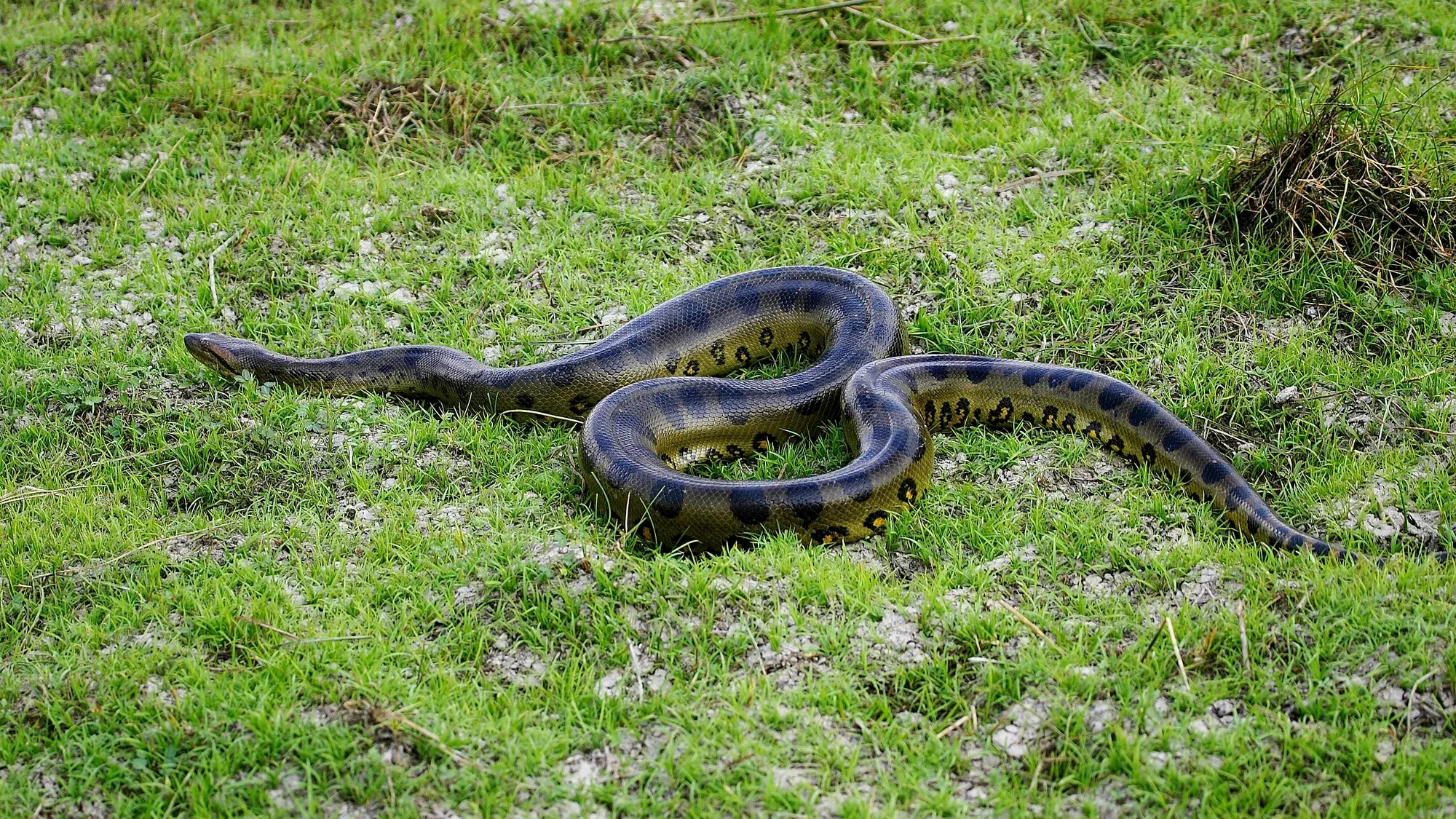
Renowned for reaching lengths comparable to a small school bus, anacondas are among the planets largest snakes. Recent fossil discoveries reveal that these colossal reptiles also offer a window into prehistoric ecosystems. A study published on December 1st in the Journal of Vertebrate Paleontology shows that anacondas attained their peak size around 12.4 million years ago, maintaining their impressive dimensions ever since.
While many of todays large animals are dwarfed by their Miocene ancestors, South Americas black caiman (Melanosuchus niger) grows up to 21 feet, whereas its ancient relatives from the Purussaurus genus reached approximately 34 feet around 16 million years ago. Similarly, freshwater turtles from the Stupendemys genus had shells exceeding 10 feet in width about nine million years ago.
The Miocene size explosion was driven by favorable conditions such as warmer, wetter climates and abundant food sources. Yet, unlike giant crocodiles and turtles that eventually went extinct, anacondas retained their enormous size over millions of years. Other species like giant crocodiles and giant turtles disappeared likely due to global cooling and habitat loss, said Andrs Alfonso-Rojas, a zoologist at the University of Cambridge and co-author of the study. Anacondas, however, have persisted they are extremely resilient.
Modern anacondas can reach up to 30 feet and thrive in semi-aquatic environments such as marshes, rivers, and swamps across the Amazon basin. Historically, northern South America offered similar habitats, supporting the snakes growth. Anacondas possess over 300 vertebrae, and the dimensions of fossilized vertebrae provide reliable estimates of their total length.
Alfonso-Rojas and his team analyzed 183 fossilized vertebrae from at least 32 ancient snakes found in Venezuela. Combining these with other South American fossil records, they found that Miocene anacondas commonly measured between 13 and 16.5 feetcomparable to modern Eunectes species. Previously, paleontologists were uncertain when anacondas first reached such enormous sizes.
The study also revealed an unexpected insight into the snakes evolution: anacondas have consistently been giant predators. We anticipated finding ancient anacondas around seven or eight meters long, Alfonso-Rojas noted. Yet, we found no evidence of snakes exceeding that size during the Miocene, even when global temperatures were higher.
Having remained apex predators for over 12 million years, anacondas are not classified as endangered. However, their survival faces risks from deforestation and climate change, which threaten the tropical rainforests essential for sustaining their size. Without protective measures, these enduring giants could encounter serious challenges in the near future.
Author: Sophia Brooks
Share

Elon Musk predicts AI will render most skills irrelevant, but assures his children can still pursue higher education if they choose to
3 days ago 2 min read SCIENCE

What is the current status of SOCOM's AI targeting tests?
3 days ago 3 min read SCIENCE
Scientists uncover unsettling findings about wildfire smoke: 'Unnoticed chemical reactions'
3 days ago 2 min read SCIENCE
Tesla observers verify sightings of long-awaited new model on streets: 'It's an attractive car'
3 days ago 2 min read SCIENCE

Report suggests that the ship fire was probably caused by a battery
3 days ago 2 min read SCIENCE
Researchers discover remarkable effects of structures constructed by wild animals: 'Balancing costs and advantages'
3 days ago 3 min read SCIENCE

Curiosity Uncovered a Big Surprise Inside a Rock on Mars
3 days ago 3 min read SCIENCE

NASA Makes Significant Progress Towards Artemis II's Moon Mission
3 days ago 2 min read SCIENCE
NASA warns scientists about rapid acceleration of ocean changes: 'Speeding up'
3 days ago 2 min read SCIENCE
Surprising find in wetlands a decade after reintroducing extinct beavers: 'Has the potential to change local ecosystems'
3 days ago 2 min read SCIENCE