

Lessons from observing 100,000 animals in incredible detail—from space
- Last update: 5 days ago
- 3 min read
- 21 Views
- SCIENCE
A newly launched satellite, sent into orbit by a SpaceX rocket, represents a major advancement in observing wildlife in unprecedented detail. The initiative, known as Project ICARUS (International Cooperation for Animal Research Using Space), aims to monitor thousands of animalsfrom insects to large mammalsin real time.
The November launch serves as a test phase for an upgraded, more compact satellite developed after the project experienced a three-year pause. A second satellite is planned for launch in March in collaboration with the National Geographic Society, with additional launches expected in the future.
Scientists involved with ICARUS anticipate that the program will not only map animal movements but also provide insights into predicting phenomena such as weather changes and disease transmission. Martin Wikelski, director of the Max Planck Institute of Animal Behavior in Germany and a National Geographic Explorer, emphasizes the need for a new Earth observation system focused on life itself. He expresses enthusiasm about uncovering answers to long-standing mysteries, such as the disappearance of three billion North American songbirds, and understanding animals early-warning abilities for natural disasters.
ICARUS 2.0: A Smaller, More Efficient Satellite
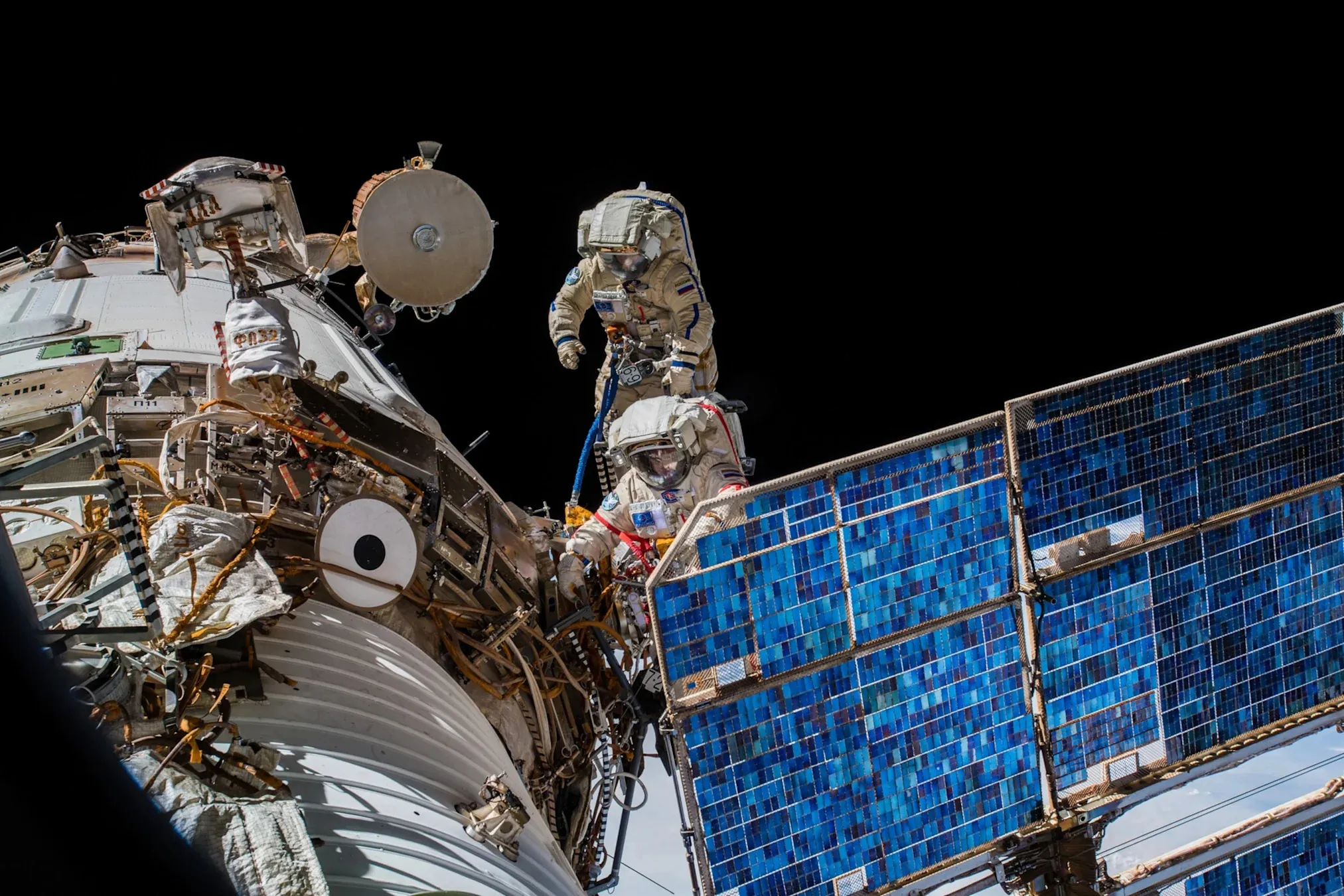
The original Project ICARUS involved an antenna installed on the International Space Station, launched in 2020 after eight years of development. Within its first year, the system tracked hundreds of animals across 15 species, revealing astonishing migration feats. For instance, Hudsonian godwits were documented flying nonstop from Central America to Texas, and cuckoos traveled across the Indian Ocean from India to Africa.
However, the program was temporarily halted after the Germany-Russia space collaboration ended due to the 2022 invasion of Ukraine. Wikelski notes that despite the setback, the pause pushed engineers to design a more advanced system.
The new ICARUS satellite is significantly smaller, measuring just 10 centimeters and mounted on a CubeSat roughly the size of a European refrigerator, with future models expected to shrink to shoebox dimensions. During the current testing period, the team will verify orbital paths and ensure consistent communication with ground-based systems. Wikelski explains that the satellite functions like a line scanner, scanning the planet from pole to pole in roughly a day.
If successful, another National Geographic Society-supported satellite will be launched in spring, with plans to operate six ICARUS satellites by 2027. This network will enable continuous tracking of animals fitted with miniature data-transmitting tags.
Monitoring Thousands of Animals with Tiny, Lightweight Devices
The solar-powered tags worn by animals weigh only three to four grams, with a one-gram version in development. These devices track GPS location and also record health metrics such as body temperature, along with environmental conditions like humidity, air pressure, and movement. Lightweight, unobtrusive tags are essential to avoid affecting the animals natural behavior, ensuring accurate data collection.
Wikelski notes that prior tracking studies on blackbirds and songbirds over 1015 years show that tagged animals reproduce normally and may even have higher survival rates. Next year, the project plans to tag and monitor between 5,000 and 10,000 animals, eventually expanding to 100,000.
The potential applications extend far beyond migration patterns. For example, snow vultures near the Himalayas might help forecast extreme weather for Everest climbers, goats grazing on Mount Etna could signal impending eruptions, and bird behaviors worldwide might assist in tracking avian influenza outbreaks. Wikelski envisions the data becoming invaluable to government agencies and insurance organizations alike.
Ultimately, he hopes that demonstrating the crucial role of animals in Earth's ecosystems will inspire greater appreciation and conservation efforts. Understanding the importance of animals can foster a new sense of responsibility toward protecting them, he says.
Author: Sophia Brooks
Share

Elon Musk predicts AI will render most skills irrelevant, but assures his children can still pursue higher education if they choose to
3 days ago 2 min read SCIENCE

What is the current status of SOCOM's AI targeting tests?
3 days ago 3 min read SCIENCE
Scientists uncover unsettling findings about wildfire smoke: 'Unnoticed chemical reactions'
3 days ago 2 min read SCIENCE
Tesla observers verify sightings of long-awaited new model on streets: 'It's an attractive car'
3 days ago 2 min read SCIENCE

Report suggests that the ship fire was probably caused by a battery
3 days ago 2 min read SCIENCE
Researchers discover remarkable effects of structures constructed by wild animals: 'Balancing costs and advantages'
3 days ago 3 min read SCIENCE

Curiosity Uncovered a Big Surprise Inside a Rock on Mars
3 days ago 3 min read SCIENCE

NASA Makes Significant Progress Towards Artemis II's Moon Mission
3 days ago 2 min read SCIENCE
NASA warns scientists about rapid acceleration of ocean changes: 'Speeding up'
3 days ago 2 min read SCIENCE
Surprising find in wetlands a decade after reintroducing extinct beavers: 'Has the potential to change local ecosystems'
3 days ago 2 min read SCIENCE