

Ancient volcanoes possibly triggered the Black Death
- Last update: 1 hours ago
- 3 min read
- 497 Views
- US
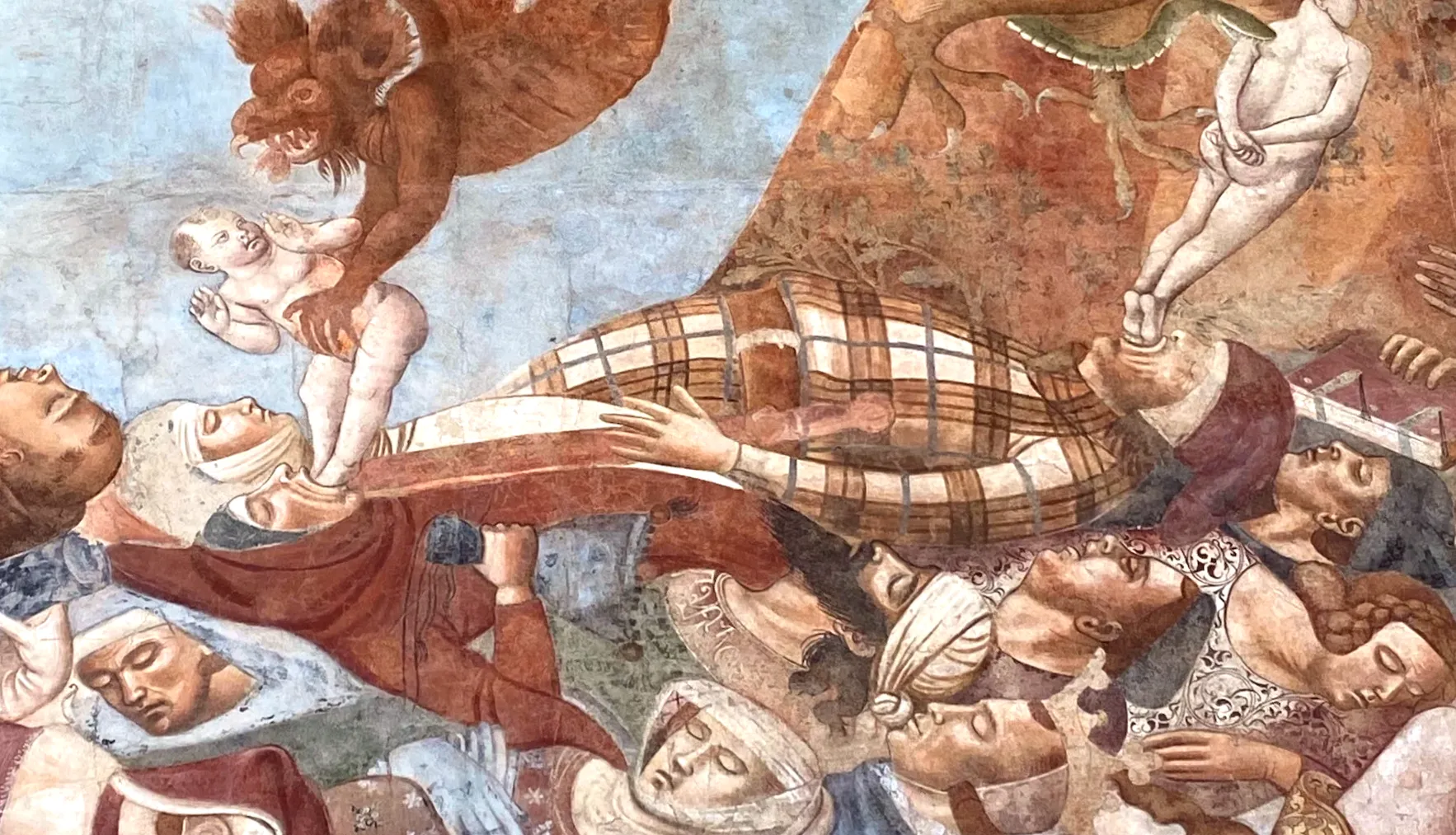
While fleas, rats, and international trade contributed significantly, no single factor alone caused the 14th-century devastation of the bubonic plague (Yersinia pestis). Experts emphasize that examining the interconnected events leading up to the outbreak is essential to fully understand the Black Deaths catastrophic impact. Recent research introduces a surprising additional factor behind the medieval resurgence of the plague.
In a study published in Communications Earth & Environment, scientists from the University of Cambridge and Germanys Leibniz Institute for the History and Culture of Eastern Europe (GWZO) suggest that one or more volcanic eruptions around 1345 may have played a key role in triggering the pandemic, which ultimately claimed 30 to 50 percent of populations across Africa, Central Asia, and Europe.
I have long sought to understand the triggers behind the Black Deaths emergence and spread, said Ulf Bntgen, geographer at the University of Cambridge and coauthor of the study. Why did it happen at this specific time in European history? The question is fascinating, but no single person can answer it alone.
Tree Rings Reveal Climatic Clues
To explore these questions, Bntgens team collaborated with GWZO medieval climate historian Martin Bausch to gather high-resolution environmental and historical data from the years leading up to the Black Death. Their focus included food security and famine patterns to understand what they describe as a perfect storm for the plague.
The breakthrough came from an unexpected source: centuries-old trees in the Spanish Pyrenees. Tree rings record yearly climatic conditions, and analysis revealed unusually cold and wet summers between 1345 and 1347. While a single cool summer is not remarkable, several consecutive years with low temperatures are rare.
Historical records also noted unusual cloud cover and dark lunar eclipses, corroborating the climatic evidence. Together, tree rings and documents point to nearby volcanic activity around 1345. This aligns with reports of poor harvests and widespread famine.
Trade and Plague Transmission
By 1347, Italian city-states such as Genoa, Pisa, and Venice began importing grain from Mongol regions near the Sea of Azov. These trade networks, designed to prevent starvation, inadvertently facilitated the plagues arrival. Researchers believe that plague-infected fleas traveled on the grain shipments, transferring to rodents once in Europe and initiating the widespread outbreak.
Uneven Impact Across Europe
The Black Death did not affect all regions uniformly, highlighting disparities in resources and social structures. Some Italian cities, even large ones like Milan and Rome, were likely spared because they did not need to import grain after 1345, Bntgen explained. This climate-famine-trade connection may help explain other plague episodes.
Lessons for Modern Times
Bntgen notes that while such cascading effects may seem rare, climate change could increase the likelihood of similar scenarios today. The risk of zoonotic diseases leading to pandemics is growing in a globalized world, as seen with COVID-19, he said. Understanding past climate-related crises can inform strategies to mitigate future health and environmental threats.
Author: Natalie Monroe
Share

One person killed, two others stuck after trench collapses in Clermont County
3 minutes ago 1 min read US

Man's Last Words During 911 Call Revealed: He Had Only '5 Minutes Left' as He Clung to Tree in Flood, Wife Survives
6 minutes ago 2 min read US

IDENTIFIED: Virginia's Brian Cole Named as Suspect in January 6 Pipe Bomb Case
7 minutes ago 1 min read US

2 Louisiana prisoners escape through damaged jail wall
8 minutes ago 2 min read US

Archaeologists Discover Human Footprints Dating Back 115,000 Years in Unusual Location
12 minutes ago 2 min read US

DJ Quik's Son Found Guilty of Murder, Could Serve 40 Years in Prison
23 minutes ago 1 min read US

Woman convicted of murdering e-bike rider in feud
25 minutes ago 2 min read US

Decades before Stonewall, a cafeteria protest paved the way for transgender rights
28 minutes ago 3 min read US

Current Recall of Popular Salad Dressings—Hidden Valley Ranch, Costco, and Others
33 minutes ago 2 min read US

SeaWorld requests dismissal of case involving duck and roller coaster
34 minutes ago 2 min read US