

Duration of a full moon: December supermoon still visible
- Last update: 1 hours ago
- 2 min read
- 296 Views
- US
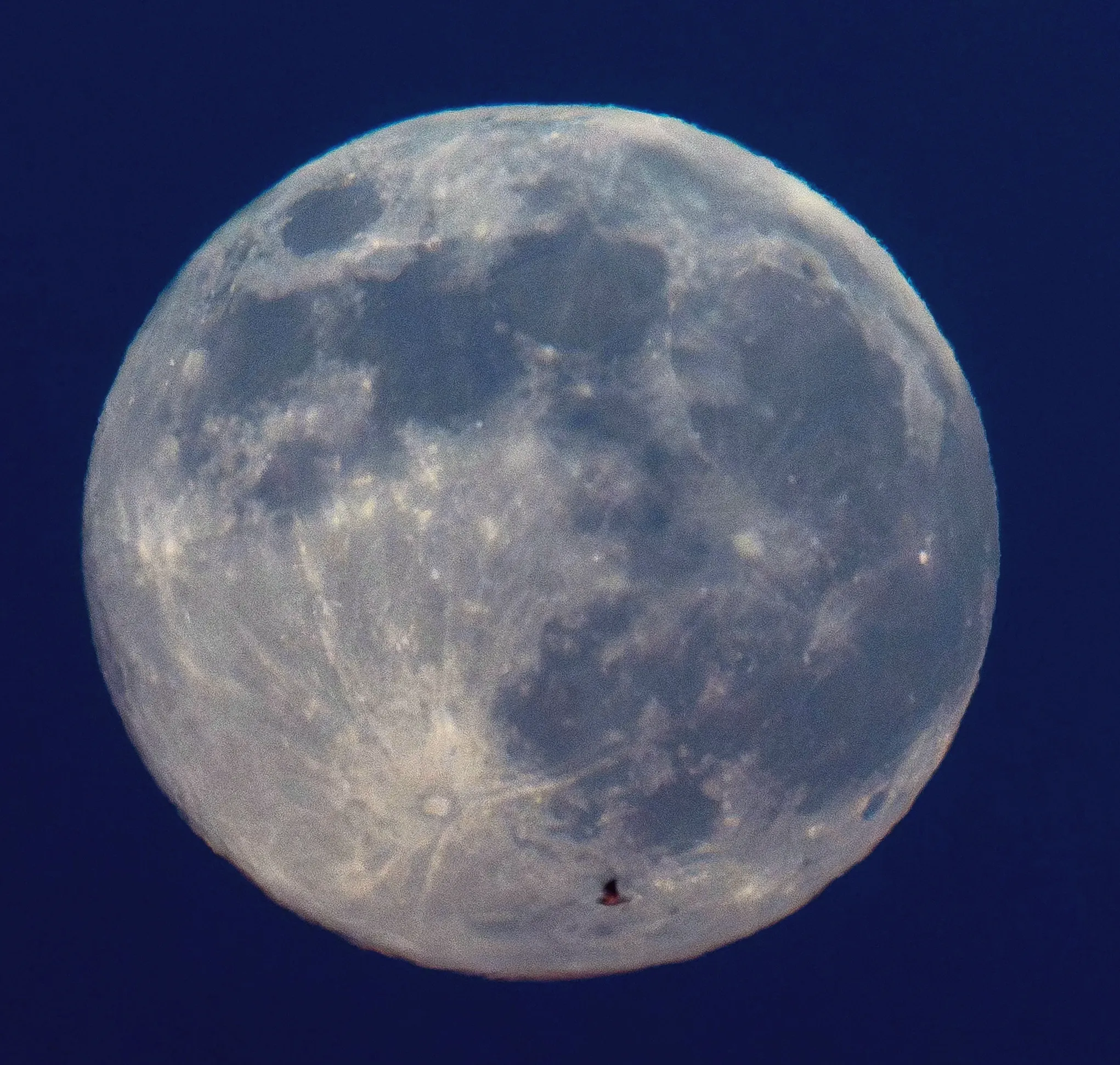
The final supermoon of 2025 occurred in December. Although it has already reached its maximum, it should still look full on Friday, December 5. Those who miss it will have another chance in January 2026.
Timing of December's Full Moon
The December full moon, also recognized as a supermoon, reached its peak at 6:14 p.m. ET on Thursday, December 4, but will continue to appear full on the following night.
The Name of December's Moon
Decembers full moon is traditionally called the Cold Moon. This name, originating from the Mohawk tribe, reflects the chilly conditions typical of the month.
Understanding Supermoons
A supermoon occurs when the moon is closest to Earth in its orbit, making it appear larger and brighter than a standard full moon. Astronomers refer to this phenomenon as a perigean full moon. Supermoons usually happen three to four times a year and often appear in consecutive months.
How Long a Full Moon Lasts
Technically, a full moon is at its peak for only a brief moment. However, to the naked eye, it can seem full for a couple of nights. This means the December 4 full moon will likely still look full on December 5.
December Moon Phases
- Full Moon: Dec. 4
- Last Quarter: Dec. 11
- New Moon: Dec. 20
- First Quarter: Dec. 27
Supermoons in 2025 and Upcoming
2025 featured three consecutive supermoons. The last, the Cold Moon, peaked on December 4. Earlier supermoons occurred on:
- October 6 at 11:48 p.m. Hunters Moon
- November 5 at 8:19 a.m. Beaver Moon
- December 4 at 6:14 p.m. Cold Moon
The next supermoon will be in January 2026, called the Wolf Moon, peaking on Saturday, January 3, at 5:03 a.m. ET.
Winter Solstice 2025
The winter solstice will take place at 10:03 a.m. ET on December 21. It marks the shortest day of the year, with the fewest hours of sunlight, though the difference is less noticeable in southern regions compared to the northern U.S.
Author: Jackson Miller
Share
The peak of the 2025 December supermoon has arrived
7 hours ago 3 min read ENTERTAINMENT
Final supermoon of 2021, the cold moon, observed throughout the United States: View the images
7 hours ago 3 min read WORLD
The last supermoon of 2025 illuminates the evening sky. Check out the pictures.
8 hours ago 1 min read WORLD
When to go outside in Florida to see the full moon? Best times and tips
1 days ago 2 min read WORLD
When to see December's final full moon of 2025: The 'cold moon' supermoon
1 days ago 2 min read BUSINESS

When to View This Week's Spectacular Cold Supermoon in December
1 days ago 3 min read BUSINESS

A 'Cold Moon' supermoon to appear over Connecticut on Thursday. Here's the best time to view it
1 days ago 2 min read US
Clouds may obstruct the last full moon of 2025
1 days ago 2 min read WORLD

When will the December full moon occur? Tips for viewing the final supermoon of 2025.
2 days ago 2 min read BUSINESS
The final supermoon of the year is December's full moon. Here's what you need to know.
2 days ago 2 min read US