

Is your baby going to receive a hepatitis B vaccine? Interpretation of RFK panel's decision.
- Last update: 1 hours ago
- 3 min read
- 930 Views
- US
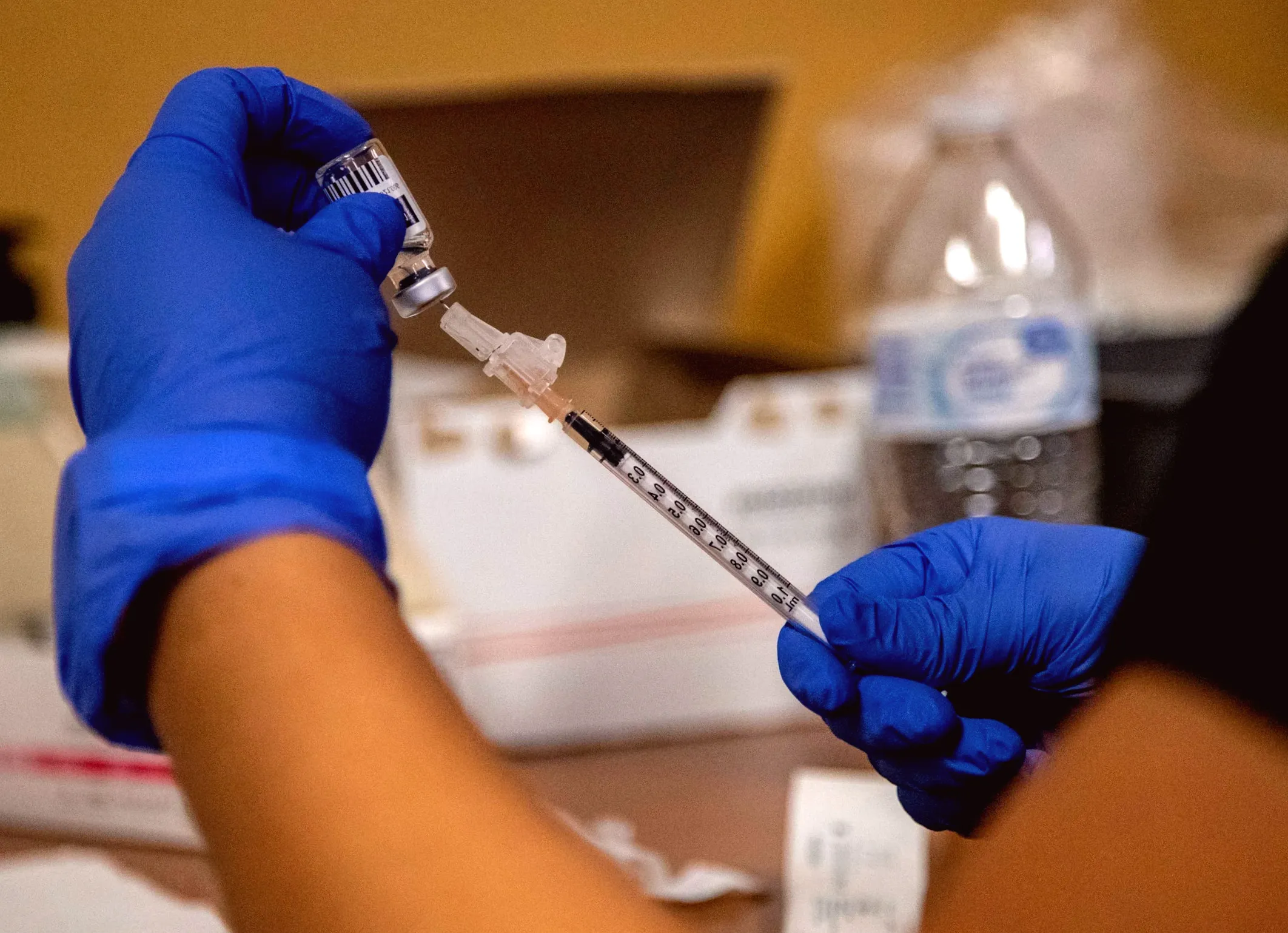
New parents may see adjustments in preventive care for their infants after birth due to a recent ruling by a federal vaccine advisory panel, which modifies longstanding guidance regarding the hepatitis B vaccine.
For decades, hospitals and birthing centers have promoted giving newborns three interventions shortly after birth the initial hepatitis B vaccine, a vitamin K injection, and an antibacterial eye ointment a protocol often referred to as 3 at Birth.
However, the Advisory Committee on Immunization Practices (ACIP), recently restructured by Health Secretary Robert F. Kennedy Jr. to include vaccine skeptics, now recommends the hepatitis B shot only for infants whose mothers test positive for the virus. Infants of mothers who test negative should have a discussion with their healthcare provider before receiving the vaccine, a change experts warn may reduce the number of newborns receiving all three standard interventions.
The panel advises that babies born to mothers without hepatitis B should wait until at least two months old for the first vaccine dose. No detailed reasoning was provided for this two-month interval. Because the full hepatitis B series requires three doses, the panel also suggests a blood test to check antibody levels before the second dose is administered.
Dr. Jennifer Lincoln, an obstetrician in Oregon, explained that the new guidance might result in nurses telling mothers, You tested negative, and you should speak with your healthcare professional before deciding on this vaccine. She noted that about 15% of pregnant women do not receive hepatitis B testing before delivery, potentially leaving their infants unprotected. Even those tested early in pregnancy could contract the virus later, posing risks due to the viruss high infectiousness compared to HIV.
Impact and Criticism
Although ACIPs recommendation does not have the binding authority of the CDC, it carries significant influence on national vaccine policy. The CDC has recommended universal hepatitis B vaccination for infants since 1991, attributing the decline in cases partly to this guidance, though the agency also noted improvements in blood screening, needle exchange programs, and dialysis practices.
Current estimates indicate fewer than 1% of newborns have mothers carrying the virus, with most of these mothers being immigrants from regions with higher hepatitis B prevalence.
Jim ONeill, acting CDC director, highlighted the committees discussions as contributing to informed vaccine decision-making. Conversely, Dr. Sandra Adamson Fryhofer of the American Medical Association criticized the new advice as reckless and not supported by scientific data, warning it could undermine confidence in a proven, lifesaving vaccine.
Leading medical organizations, including the American Academy of Pediatrics and the American College of Obstetricians and Gynecologists, expressed concern that the new guidance may increase childhood hepatitis B infections and complicate vaccine access.
Changes to Pediatric Care
Pediatricians continue to recommend that all newborns receive the hepatitis B vaccine. However, Dr. Heidi Appel noted that confusion from the new guidance could result in fewer infants being vaccinated, as parents may delay scheduling or face logistical challenges. Oregon-based Dr. Lincoln echoed these concerns, emphasizing that not all families have easy access to testing or pediatric care, and public health recommendations must address all parents.
Experts advise parents to use reliable resources, such as the American Academy of Pediatrics website, and to select a pediatrician early, discussing vaccination plans before the babys arrival. These steps help ensure families are informed and can make timely decisions about their childs health.
Author: Natalie Monroe
Share

Who is eligible for the hepatitis B vaccine in the US currently?
2 hours ago 3 min read US

Federal panel decides to discontinue Hepatitis B vaccinations for newborns
4 hours ago 3 min read POLITICS

US panel votes to stop recommending universal hepatitis B vaccine for newborns
4 hours ago 3 min read POLITICS
CDC updates recommendation for newborn hepatitis B vaccination
4 hours ago 2 min read BUSINESS

RFK Jr. Successfully Influences Advisers to Change Guidance on Hepatitis B Vaccine
5 hours ago 2 min read HEALTH

US vaccine committee revises recommendation for hepatitis B shot in newborns
5 hours ago 1 min read BUSINESS

US expert panel decides to stop recommending hepatitis B vaccination for newborns
5 hours ago 2 min read POLITICS

CDC Panel Delays Hepatitis B Shot for Most Babies After Voting Skeptically on Vaccines
6 hours ago 2 min read HEALTH

CDC advisory panel restricts hepatitis B vaccination for newborns
6 hours ago 2 min read POLITICS

Vaccine advisory panel decides to stop universal newborn hep B shot in significant change
6 hours ago 4 min read BUSINESS