

Who is eligible for the hepatitis B vaccine in the US currently?
- Last update: 1 hours ago
- 3 min read
- 913 Views
- US
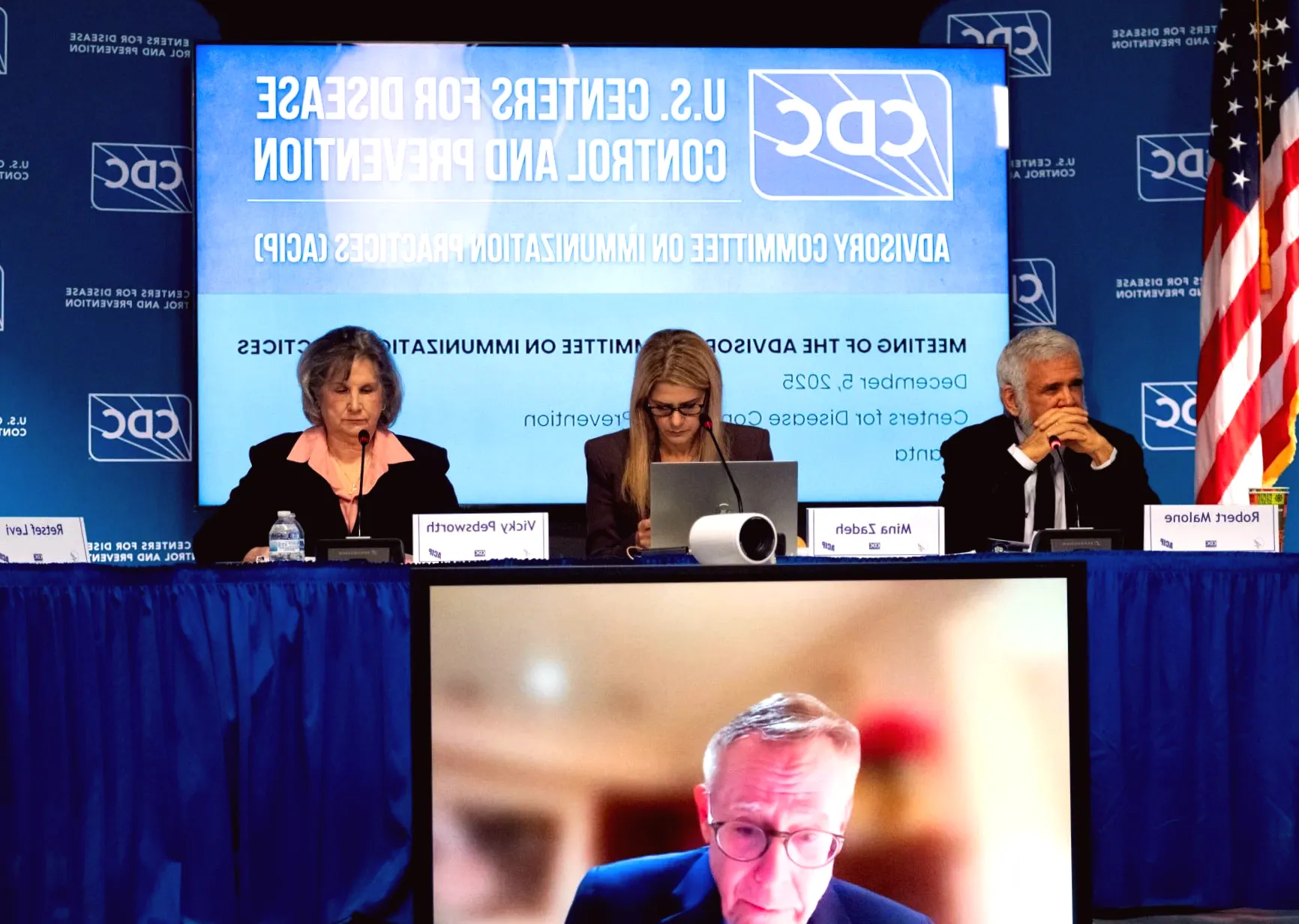
On Friday morning, advisers to the US Centers for Disease Control and Prevention (CDC) voted to restrict the administration of the hepatitis B vaccine, marking a major policy shift. This change reflects a move away from long-standing practices of offering the vaccine safely and effectively to all newborns.
Whats New in Hepatitis B Vaccine Guidance?
The CDC advisory panel recommended limiting the routine hepatitis B shot, traditionally given at birth. Instead of automatically providing the vaccine to all newborns, parents are now advised to discuss with a doctor whether their child qualifies for it.
Who Can Receive the Vaccine?
Parents can request the vaccine for their baby after birth, but consultation with a healthcare provider is required to determine eligibility. According to the new guidance, the shot should generally not be administered before two months of age unless specifically recommended.
Significance of the Change
This is the first time CDC advisers have restricted access to a standard childhood vaccine that has been routinely offered for decades. Recently, similar policy adjustments were made for vaccines combining MMR (measles, mumps, rubella) and varicella, which are now recommended to be administered separately.
Impact on Newborns and Maternal Care
Access to the vaccine may become more complicated. Hospitals might limit stock if they expect fewer parents to request it, and pediatricians may hesitate to give it before two months. Confusion about eligibility could lead some families and doctors to skip the vaccine entirely.
Shared Clinical Decision-Making
The new policy introduces "shared clinical decision-making," a framework that makes the vaccine optional rather than a standard recommendation. Previously, this approach had only been applied to five other vaccines, generally when a full recommendation was not warranted. The framework has caused confusion in the past, including when applied to COVID-19 vaccines.
Insurance Coverage
Private insurance is likely to cover the vaccine, but coverage under federal programs for doses administered before two months remains unclear.
Why the Hepatitis B Vaccine Matters
Hepatitis B is particularly dangerous for infants. Infection in the first year of life carries a 90% risk of chronic disease, which can lead to liver cancer, cirrhosis, or death. In contrast, only about 5% of infected adults develop chronic hepatitis B. Since the vaccine became routine for newborns in 1990, pediatric cases have dropped from 20,000 to roughly 20 annually.
Safety Profile
The vaccine has been given to over a billion people worldwide over the past three decades with no major safety issues. No new safety concerns were presented at the CDC meeting.
Concerns and Criticism
Some skeptics fear potential links between vaccines and chronic conditions such as allergies, eczema, or neurodevelopmental disorders like autism. Research consistently shows no evidence supporting these claims.
Broader Implications
Limiting access to a proven, safe vaccine sets a concerning precedent. It challenges long-standing public health recommendations and may increase public uncertainty about other vaccines in the future.
Author: Caleb Jennings
Share

CDC panel votes to remove recommendation for hepatitis B vaccine in newborns
2 hours ago 3 min read POLITICS

Cassidy urges CDC director to refuse hepatitis B recommendations from vaccine panel
2 hours ago 2 min read HEALTH

Committee votes to eliminate mandatory hepatitis B vaccinations for newborns despite opposition from children's health experts
3 hours ago 4 min read WORLD

Federal panel decides to discontinue Hepatitis B vaccinations for newborns
3 hours ago 3 min read POLITICS

US panel votes to stop recommending universal hepatitis B vaccine for newborns
3 hours ago 3 min read POLITICS
CDC updates recommendation for newborn hepatitis B vaccination
3 hours ago 2 min read BUSINESS

RFK Jr. Successfully Influences Advisers to Change Guidance on Hepatitis B Vaccine
3 hours ago 2 min read HEALTH

US vaccine committee revises recommendation for hepatitis B shot in newborns
4 hours ago 1 min read BUSINESS

CDC advisory panel restricts hepatitis B vaccination for newborns
5 hours ago 2 min read POLITICS

Vaccine advisory panel decides to stop universal newborn hep B shot in significant change
5 hours ago 4 min read BUSINESS