

Amateur Archaeologists Discover Ancient Burial Ground Atop 12,000-Year-Old Monument
- Last update: 3 days ago
- 2 min read
- 21 Views
- WORLD
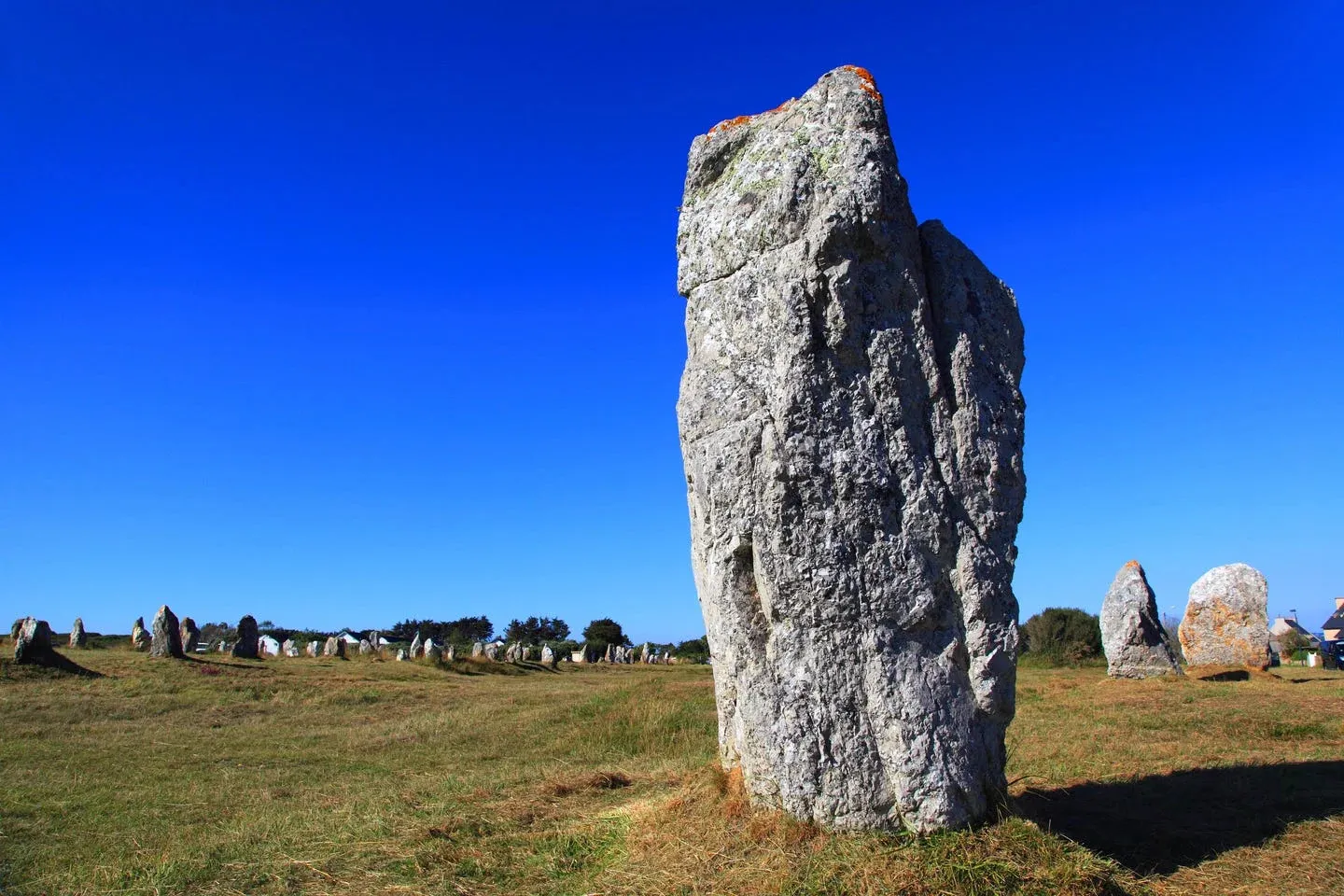
Amateur archaeologists in England have made a remarkable find that could reveal more about the regions distant past. Initially uncovering a Bronze Age burial, the team may have also stumbled upon an even older structure: a potential Neolithic henge.
The excavation took place near Aspull, close to Wigan, situated between Manchester and Liverpool. Members of the Wigan Archaeological Society were examining human remains when they first believed they had located a 4,500-year-old Bronze Age burial site. However, further investigation suggests the site may hold a much older legacy.
William Aldridge, a society member, explained that the burial may have been built on the remains of a Neolithic henge. The size of the ring ditch and its oval shape, including an entrance on one side, indicates it could be an earlier monument, he said. Bronze Age communities didnt construct such designs.
The potential henge, characterized as a circular prehistoric monument often marked by stones, timber, and an earthen embankment surrounding an inner ditch, would be unprecedented in this region, Aldridge added. If confirmed as Neolithic, it could date back as far as 10,000 B.C.E.
The archaeological society has been working at the site since 2022, using radiocarbon dating with university support to confirm that the burial itself is from the Bronze Age. Excavations have uncovered cremation urns containing human bone fragments and evidence of funeral pyres.
Aldridge noted the unexpected nature of the discovery. We had to involve the police and coroner initially to ensure the remains werent recent or related to a crime. It took time to confirm they were ancient, allowing our work to continue.
Wigan has a history of significant archaeological finds. A decade ago, a Roman bathhouse was unearthed in the town center, followed by the discovery of a Roman fort three years later. The area may once have been part of the Roman settlement known as Coccium.
Chris Drabble, another society member, suggested that the Bronze Age people may have chosen the site for its preexisting ceremonial or religious importance. Many theories have emerged about the farms past, but its clear that at some point, this place held special significance, he said.
Author: Sophia Brooks
Share

Putin dismisses crucial aspects of US peace proposal as Kremlin official cautions Europe about potential new war threat: report
48 seconds ago 3 min read WORLD

Farage criticized for making racist remark about Glasgow pupils in campaign video
4 minutes ago 3 min read WORLD

German foreign minister to visit China next week after rescheduling
4 minutes ago 2 min read WORLD

Putin and Modi agree to strengthen trade relations during official visit
6 minutes ago 1 min read WORLD

Funding allocated for crime prevention in playing fields and church
7 minutes ago 1 min read WORLD

Archaeologists Discover Eerie Warning from the Roman Empire
7 minutes ago 2 min read WORLD

Stalker sentenced for violating restraining order
12 minutes ago 1 min read WORLD

US reevaluating relationship with Tanzania following violent election turmoil
13 minutes ago 2 min read WORLD
US raid reportedly resulted in death of undercover agent instead of IS official
13 minutes ago 3 min read WORLD

Legal experts' opinions on the second US strike on a boat in Venezuela
16 minutes ago 4 min read WORLD