

Arab and Muslim nations oppose Israeli proposal for Gaza Rafah crossing as exit-only plan
- Last update: 6 hours ago
- 2 min read
- 393 Views
- WORLD
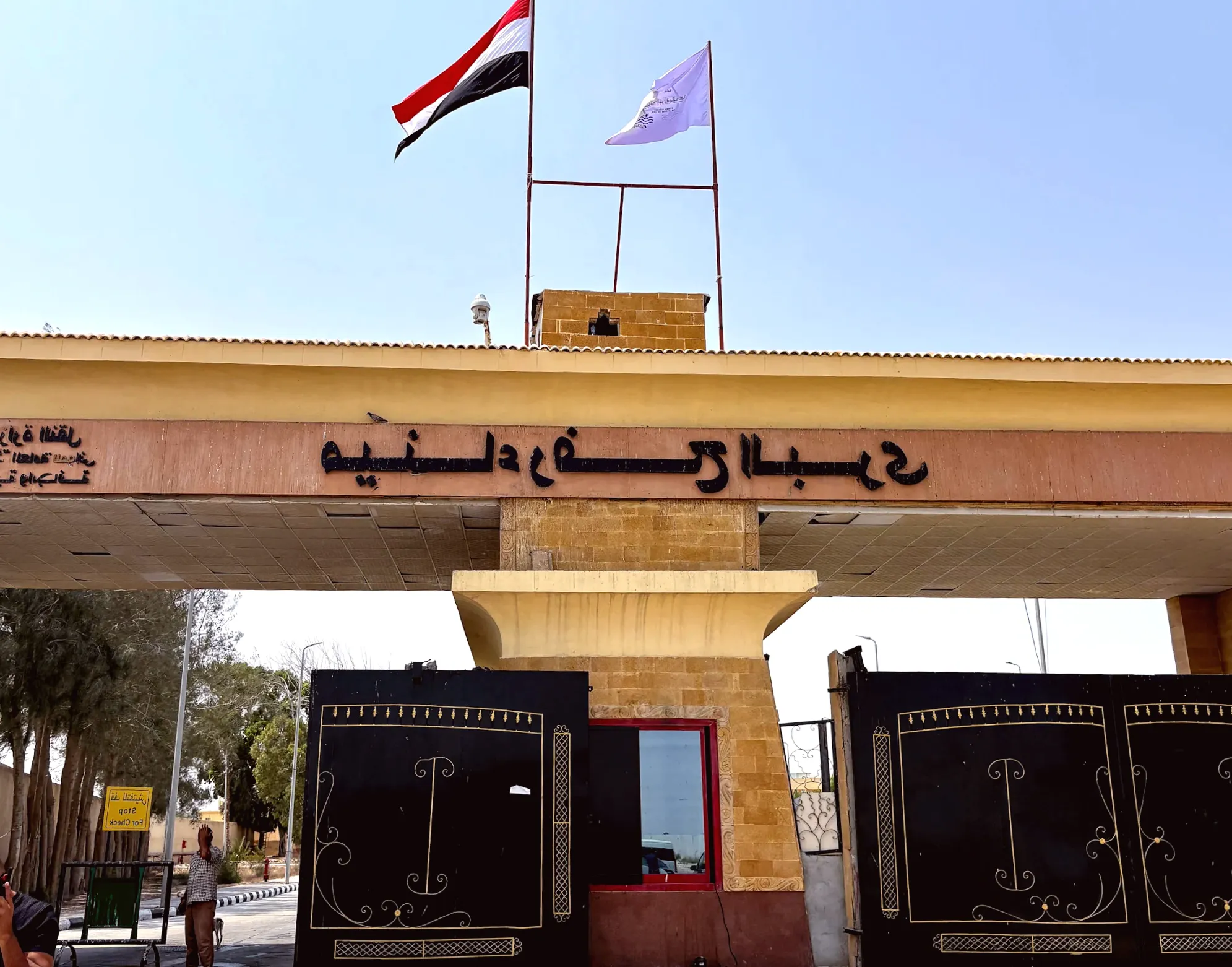
Mediators Egypt and Qatar, alongside six additional Muslim-majority countries, have voiced serious concerns over Israels announced plan to open the Rafah border crossing solely for outbound movement. This arrangement would allow Palestinians to leave Gaza but prevent their return and restrict the entry of humanitarian supplies.
The warning comes amid Israels ongoing military campaign in Gaza, which has reportedly seen nearly 600 ceasefire violations over the past seven weeks.
Foreign ministers from Egypt, Indonesia, Jordan, Pakistan, Qatar, Saudi Arabia, Turkey, and the United Arab Emirates released a joint statement on Saturday expressing grave concern over Israels recent announcement that the Rafah Crossing will open exclusively for residents to exit Gaza into Egypt.
The declaration, made by Israels Coordination of Government Activities in the Territories (COGAT) on Wednesday, specifies that movement would be one-way and require Israeli security approval in coordination with Egypt. Egypt and its partners have strongly condemned the plan, calling it an attempt to displace Palestinians and emphasizing that Israel must adhere to the United States peace plan, which mandates two-way access at Rafah.
Since the October 10 ceasefire under the U.S.-led initiative, the Rafah crossing has remained largely closed. Israeli authorities have delayed its reopening to allow humanitarian aid and medical evacuations, citing unresolved issues with Hamas regarding captive bodies and coordination with Egypt. Only one captives remains remain in Gaza.
The ministers praised the U.S. peace initiative, which envisions a technocratic Palestinian government supported by a multinational stabilization force supervised by an international Board of Peace. They urged that implementation proceed without delay and called for mechanisms enabling the Palestinian Authority to resume its governance in Gaza.
The statement reinforced the goal of establishing a sustainable peace framework, paving the way for a two-state solution, with an independent Palestinian state along the June 4, 1967 borders, encompassing Gaza and the West Bank, and East Jerusalem as its capital.
Earlier, Arab and Muslim countries had indicated willingness to contribute troops to the proposed International Stabilization Force (ISF), insisting that the U.S. plan include clear provisions for Palestinian self-determination before a UN Security Council vote. Israeli efforts to hinder this process did not succeed.
Author: Noah Whitman
Share

Qatari prime minister describes Gaza talks as 'critical' moment
3 hours ago 1 min read WORLD

Qatari leader warns that the Gaza ceasefire is in a critical moment
3 hours ago 3 min read WORLD

Israel allows only Palestinians to leave through Gaza crossing to Egypt
4 hours ago 2 min read WORLD

Arab and Muslim nations oppose Israeli proposal for Gaza Rafah crossing as exit-only plan
6 hours ago 2 min read WORLD

Officials announce that an international governing body for Gaza will be established by the end of the year.
17 hours ago 2 min read WORLD

What are the next steps in the Gaza peace plan?
21 hours ago 3 min read WORLD

Trump to announce transition to Phase II of Gaza deal, 'Board of Peace' by Christmas --> Trump to reveal Phase II of Gaza agreement, 'Peace Council' to be established by Christmas.
1 days ago 2 min read POLITICS

Government continues to neglect us: Leaders of Gaza border community protest against funding cuts in Jerusalem
1 days ago 2 min read WORLD

One hostage left in Gaza following identification of Thai worker's remains
1 days ago 4 min read WORLD

Five people die in Israeli air strikes on tents near Khan Younis, according to medics.
2 days ago 1 min read WORLD