

Australia's ban on social media for children under 16: What's the plan?
- Last update: 3 days ago
- 4 min read
- 15 Views
- WORLD
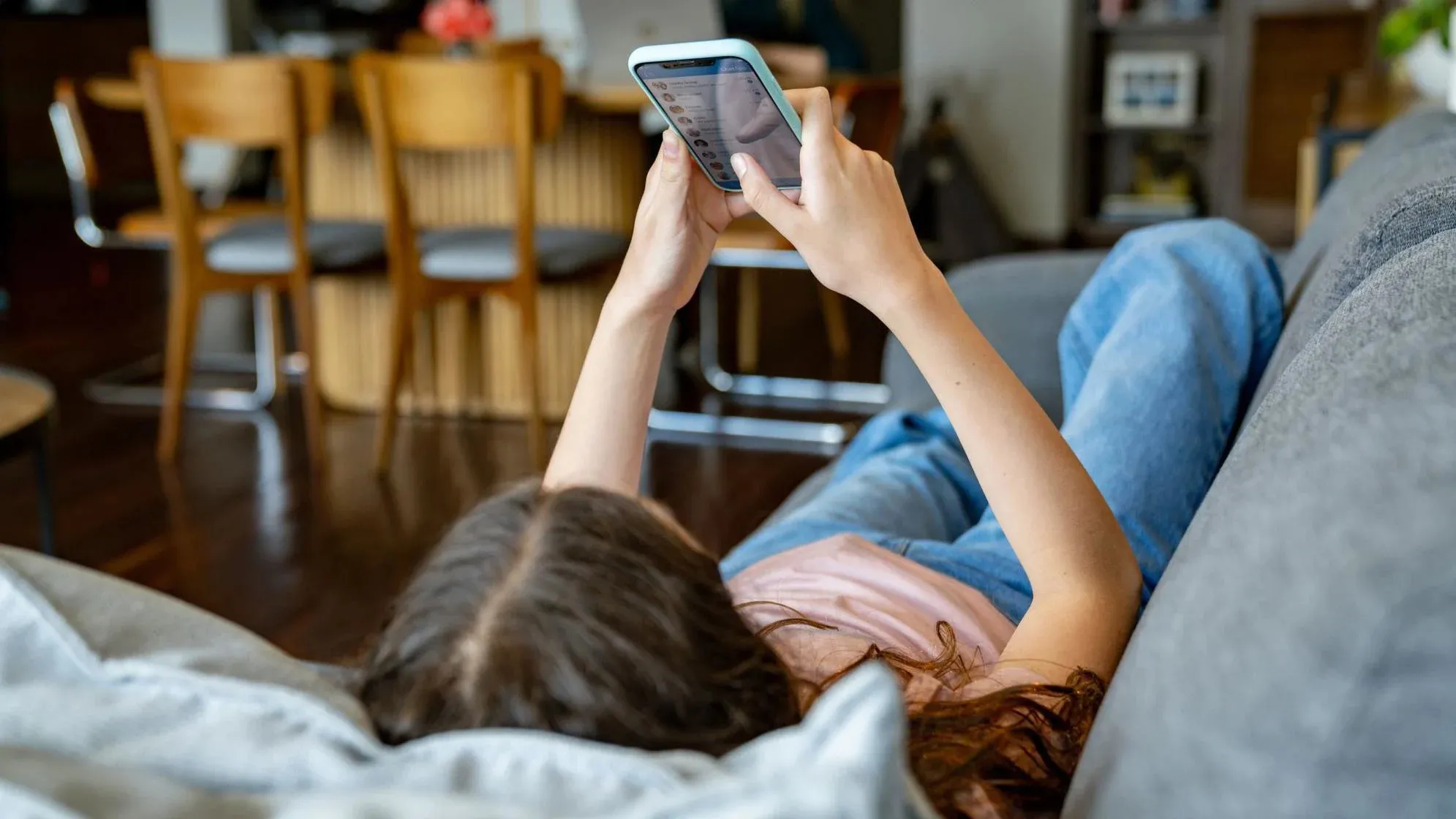
Starting 10 December, social media platforms in Australia must take "reasonable measures" to prevent users under 16 from creating accounts and to deactivate existing ones. The government describes this world-first regulation as a step to reduce the "pressures and risks" children face online, including design features that encourage extended screen time and content harmful to health and wellbeing.
A government-commissioned study revealed that 96% of children aged 10-15 are active on social media, with 70% exposed to harmful material ranging from misogyny and violent videos to content promoting eating disorders and suicide. About one in seven reported grooming attempts by adults or older teens, while over half experienced cyberbullying.
So far, ten platforms are explicitly included in the ban: Facebook, Instagram, Snapchat, Threads, TikTok, X, YouTube, Reddit, Kick, and Twitch. There is ongoing discussion about extending the ban to online gaming. Platforms like Roblox and Discord have preemptively introduced age checks on certain features to potentially avoid inclusion.
The government will review the list of affected platforms based on three criteria: whether the platform primarily facilitates online social interaction, whether it allows interaction among users, and whether it enables content posting. Platforms like YouTube Kids, Google Classroom, and WhatsApp are exempt. Content on platforms that dont require an account, such as YouTube, remains accessible to children.
Enforcement is the responsibility of social media companies, which face fines up to AU$49.5 million for serious or repeated violations. Companies must use age verification methods without relying solely on self-declared ages or parental confirmation. Proposed methods include government IDs, facial or voice recognition, and behavioral inference, estimating age from online activity.
Meta, which owns Facebook, Instagram, and Threads, plans to start closing teen accounts on 4 December. Users affected can verify their age using a government ID or video selfie. Snapchat has proposed using bank accounts, photo IDs, or selfies for age estimation. Other platforms have yet to detail their compliance strategies.
Effectiveness remains uncertain. Critics highlight that age verification technologies may incorrectly block some users while missing others. Concerns are also raised over whether fines are sufficient to influence large platforms. Former Facebook executive Stephen Scheeler noted that Meta earns revenue comparable to the potential maximum fine in under two hours.
Experts argue the ban may not fully reduce online harm. Dating sites, gaming platforms, and AI chatbots are excluded. Teens relying on social media for social connection could face isolation, and many advocate for education on safe online practices instead.
Communications Minister Annika Wells acknowledged potential imperfections in the rollout, emphasizing that major reforms often appear "untidy" initially. Critics also warn of the risks associated with collecting and storing large volumes of personal data for verification, though the government asserts strict protections and limited use to age verification purposes.
Social media companies initially resisted the ban, citing privacy risks, implementation challenges, and concerns it could push children to unsafe online spaces. Snap and YouTube contested their classification as social media platforms. Google, YouTubes parent company, is reportedly considering legal options.
Despite opposition, Meta announced early compliance, noting that inconsistencies across apps could affect teens protections. TikTok and Snap plan to implement the ban while maintaining opposition. Australian platform Kick will introduce measures and continue cooperation with authorities.
The ban marks the first total restriction of its kind globally. Other countries have introduced partial measures: the UK enforces fines for unsafe content, France has recommended bans and curfews for teens, Denmark plans a ban for under-15s, Norway is considering one, and Spain requires guardian authorization for under-16s. A US attempt in Utah to ban under-18s without parental consent was blocked by a federal judge.
Teen reactions include creating accounts with falsified ages, advising peers on workarounds, and using joint accounts with parents. Observers anticipate increased VPN use, as seen in the UK following previous age control measures.
Author: Sophia Brooks
Share

Man sentenced to prison for killing partner's son in knife assault
6 seconds ago 2 min read WORLD

Colombian navy seizes 7 tons of cocaine, arrests 11 unharmed
3 minutes ago 2 min read WORLD
Minister stands up for UK Labour government's performance in Wales
9 minutes ago 2 min read WORLD

48-Year-Old Woman Found Dead in Car Outside Police Station After Possibly Being There for 3 Days, Officials Report
11 minutes ago 2 min read WORLD
Teacher Gives Birth to Teen's Baby After Severe Sexual Abuse: His Response to the Situation
13 minutes ago 2 min read WORLD

German parliament debates controversial changes to pension system
16 minutes ago 3 min read WORLD

Lebanon says ceasefire talks focus on stopping Israel's aggression
16 minutes ago 2 min read WORLD

Pakistan Army accuses imprisoned former leader Imran Khan of being 'mentally ill' for criticizing army chief
19 minutes ago 3 min read WORLD

Three polar vortices cause temperatures to drop in central and eastern U.S. as the first Arctic cold front arrives
21 minutes ago 3 min read WORLD

Greek police use tear gas on farmers protesting and threatening to block airport
22 minutes ago 2 min read WORLD