

Defence Minister of Nigeria resigns due to security crisis, announces presidency
- Last update: 3 days ago
- 2 min read
- 15 Views
- WORLD
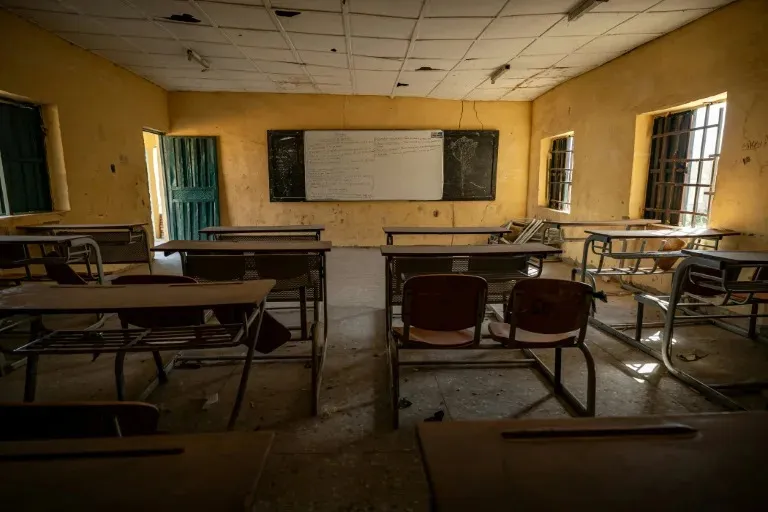
Nigeria's Defence Minister, Mohammed Badaru Abubakar, has resigned, the presidency announced on Monday, amid the country's ongoing security challenges, including widespread kidnappings of schoolchildren.
Abubakar's resignation follows President Bola Tinubu's recent declaration of a nationwide security emergency, prompted by a surge in mass abductions that saw hundreds of people, mainly students, kidnapped in a short period last month.
President Tinubus spokesperson, Bayo Onanuga, confirmed that the 63-year-old minister stepped down immediately, citing health reasons. Onanuga added that the resignation coincides with plans to further outline the national security emergency.
Nigeria, Africas most populous nation, has long faced security difficulties, but the recent increase in kidnappings has intensified the crisis. In late October, U.S. President Donald Trump designated Nigeria as a Country of Particular Concern for religious freedom violations, highlighting the killings of Christians by radical groups and hinting at potential military intervention. This stance was rejected by both the Nigerian government and independent security experts but drew international attention to the security situation.
On November 21, armed gangs kidnapped over 300 staff members at St. Mary's co-educational school in north-central Nigeria. While fifty individuals managed to escape, the remaining victims are still held captive. National Security Adviser Nuhu Ribadu reassured that the children were unharmed and would soon return during a visit to Kontagora in Niger State.
Nigeria has faced challenges in preventing mass abductions since the infamous kidnapping of nearly 300 schoolgirls by Boko Haram in Chibok over a decade ago. Beyond kidnappings, which are often carried out by criminal gangs demanding ransom, the country has also contended with a deadly jihadist insurgency in its northwestern regions since 2009.
In response to the recent surge in abductions, President Tinubu declared a state of emergency and ordered a large-scale recruitment of police and military personnel. The recent wave of attacks has targeted not only schoolchildren and teachers but also worshippers, clergy, brides and bridesmaids, farmers, and women and children across different regions of Nigeria.
Author: Sophia Brooks
Share

Farage criticized for making racist remark about Glasgow pupils in campaign video
2 minutes ago 3 min read WORLD

German foreign minister to visit China next week after rescheduling
2 minutes ago 2 min read WORLD

Putin and Modi agree to strengthen trade relations during official visit
4 minutes ago 1 min read WORLD

Funding allocated for crime prevention in playing fields and church
5 minutes ago 1 min read WORLD

Archaeologists Discover Eerie Warning from the Roman Empire
5 minutes ago 2 min read WORLD

Stalker sentenced for violating restraining order
10 minutes ago 1 min read WORLD

US reevaluating relationship with Tanzania following violent election turmoil
11 minutes ago 2 min read WORLD
US raid reportedly resulted in death of undercover agent instead of IS official
11 minutes ago 3 min read WORLD

Legal experts' opinions on the second US strike on a boat in Venezuela
14 minutes ago 4 min read WORLD

Full support for crackdown on anti-social behavior
14 minutes ago 2 min read WORLD