

Ecuador's Otavalo Indigenous Community Harnesses Anime to Foster Cultural and Linguistic Pride
- Last update: 50 minutes ago
- 2 min read
- 383 Views
- WORLD
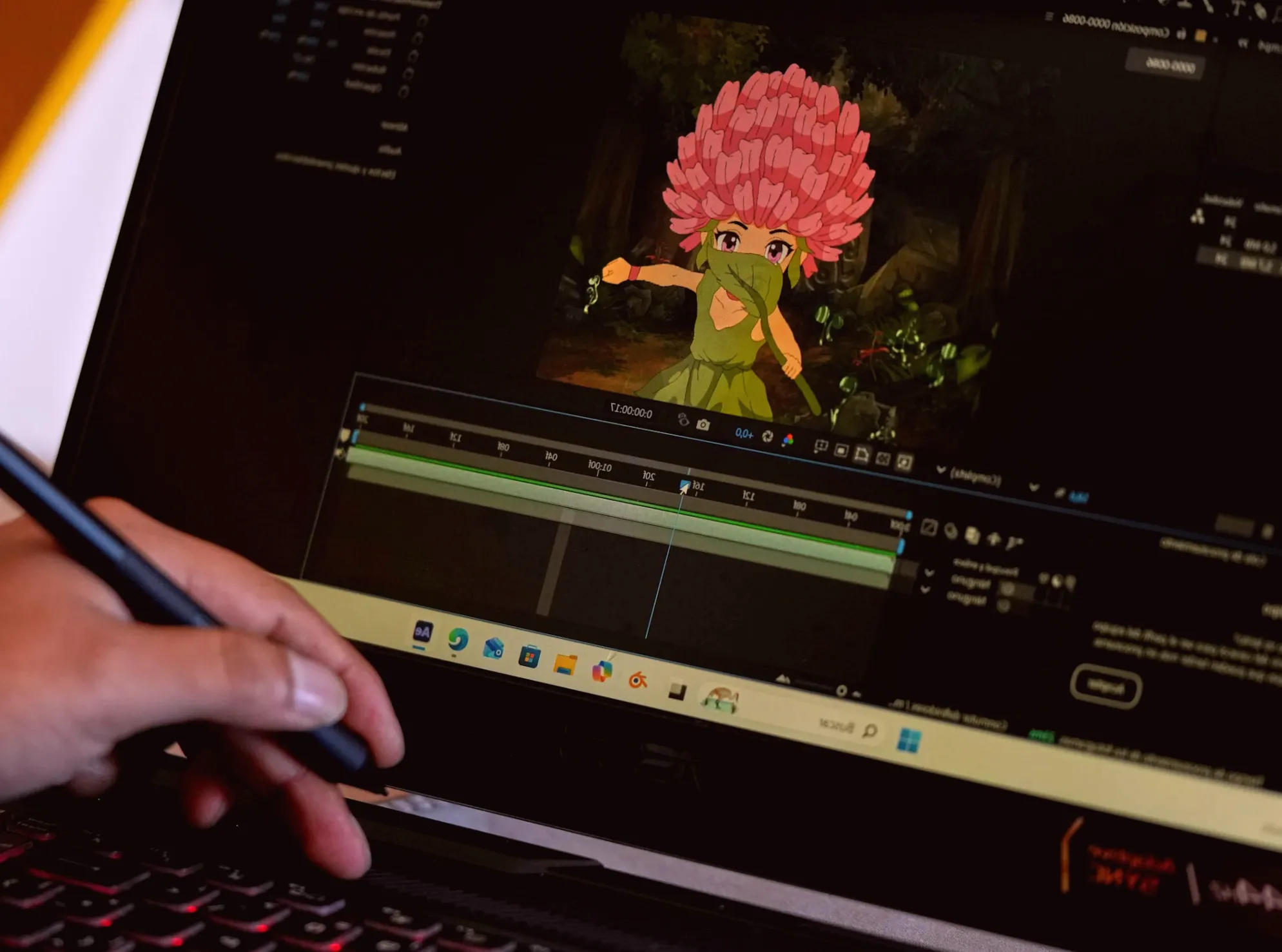
JATUN RUMI, Ecuador Nestled in the Andes, young members of the Otavalo Indigenous community are turning to anime as a tool to foster pride in their heritage and native language among children. They have created an animated short called Were Aya, which tells the story of Aya, a legendary Otavalo warrior, alongside other characters guided by a condor, a sacred Andean bird symbolizing strength and vitality.
The film draws inspiration from the work of iconic Japanese animator Hayao Miyazaki and is set in Imbabura, a northern Andean province known for its rich traditions in textiles and handicrafts. Tupac Amaru, the films director and producer, explained that the project aims to revive Otavalo customs and language, which have been gradually fading under the influence of globalization.
Our people had a choice: isolate ourselves to protect our culture, language, spirituality, and traditional attire, or confront change and preserve our identity, Amaru said. Featuring twelve Quichua-speaking characters, the nine-minute animation is designed to reconnect Otavalo children with their roots.
While Indigenous stories have appeared in films from Ecuador and Peru, most have been in Spanish. Amaru emphasized, Quichua is the essence of life; without it, our energy and sense of purpose diminish. He noted that many children no longer speak Quichua, losing not only communication but a connection to their heritage.
Yarik Sisa, creative manager of the project, highlighted that the story incorporates ancestral rituals that have endured through generations, such as preparing musical instruments at sacred sites to imbue them with spirit. Characters include Ayaruku, embodying resilience; Ayawa, representing the feminine and the sublime; and Ayaku, a child symbolizing gentleness. Together, they play instruments and perform rhythmic dances while entering a dark cavern, symbolizing the challenges of globalization, and receive a mission to nurture the future of their people.
The narrative also portrays an Indigenous grandfather advising his granddaughter, who vows to grow into a strong woman and protector of their culture. He urges her to remain steadfast on this path.
The creators of Were Aya plan to develop more Quichua-language films and video games, aiming to introduce the international market to games created within a Quichua cultural environment, according to Malkik Arango, the projects creative director.
Author: Jackson Miller
Share

German parliament gives green light to pension package following revolt within Merz's party
1 minutes ago 2 min read WORLD

One man killed and three others injured during disturbance at Glasgow property
5 minutes ago 1 min read WORLD

Kate Middleton Creates Royal History by Donning Queen Victoria’s Oriental Circlet Tiara
5 minutes ago 3 min read WORLD

Sarah Ferguson Seeks 'Personal Residence' in UK Amid Housing Crisis — Source
6 minutes ago 2 min read WORLD

Germany's Merz in danger before pensions vote
6 minutes ago 1 min read WORLD

Former Prince Andrew is not in a rush to leave Royal Lodge, according to source.
7 minutes ago 2 min read WORLD

74-year-old man arrested after committing a stabbing
8 minutes ago 1 min read WORLD

Survivors killed in follow-up strike captured on video, causing concern among lawmakers
8 minutes ago 3 min read WORLD

Serious injury to pedestrian in Shipley accident
12 minutes ago 1 min read WORLD

U.K. and Norway agree to collaborate in tracking Russian submarines in North Atlantic
13 minutes ago 2 min read WORLD