

Honduras presidential election begins amid fraud accusations
- Last update: 4 days ago
- 3 min read
- 9 Views
- WORLD
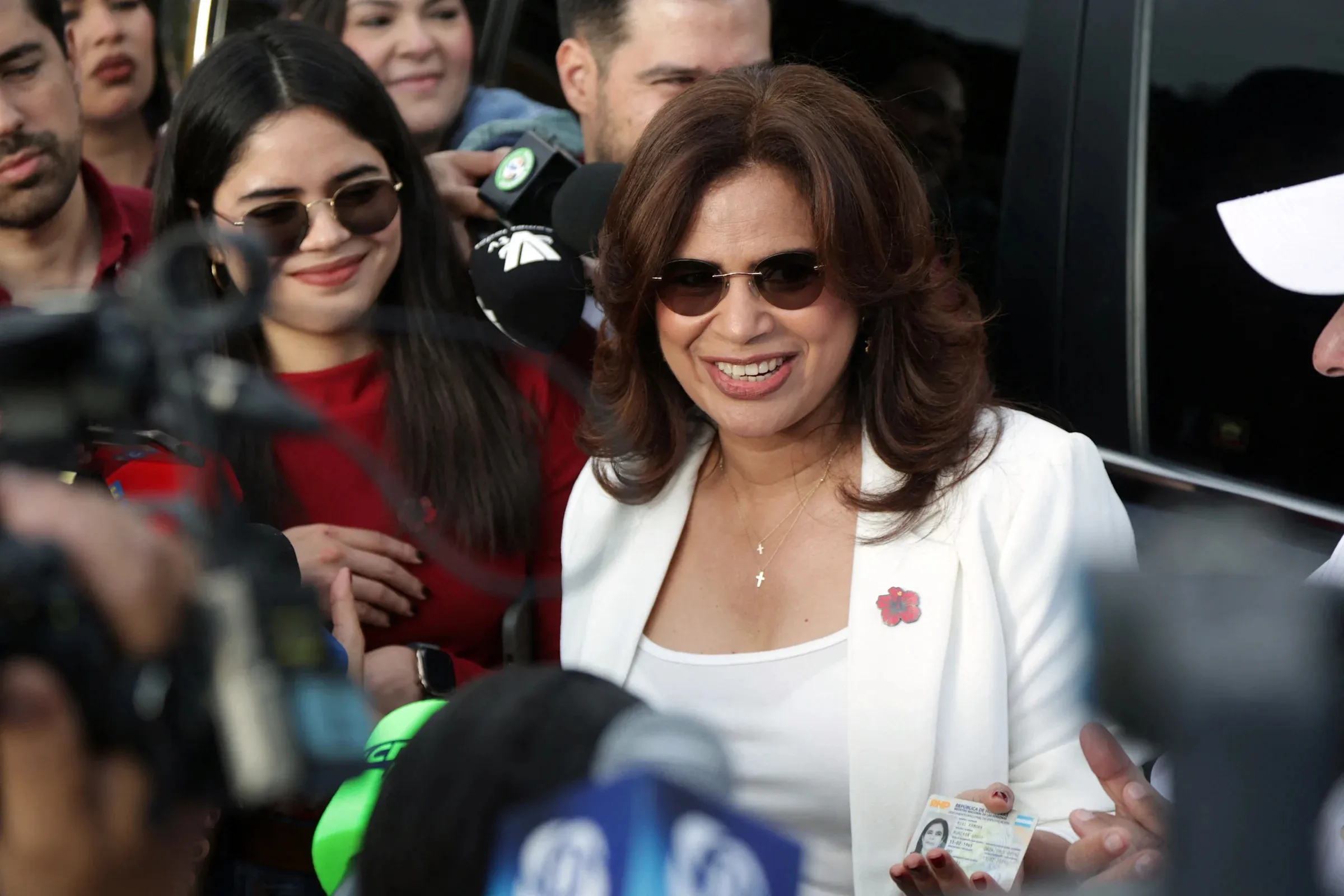
Voters in Honduras are heading to the polls to choose a new president in a race marked by intense competition and concerns over electoral fraud. Polling stations opened at 7:00 a.m. local time (13:00 GMT) on Sunday for a 10-hour voting period, with preliminary results expected late Sunday night.
Recent surveys indicate a close contest among three main candidates: Rixi Moncada, former Defence Minister representing the ruling leftist Liberty and Refoundation (LIBRE) party; Nasry Asfura, former Mayor of Tegucigalpa from the right-leaning National Party; and Salvador Nasralla, a television personality running under the centrist Liberal Party. The election will also select 128 members of Congress, hundreds of mayors, and thousands of other officials, occurring in a politically polarized environment with accusations of fraud exchanged among the leading contenders.
Moncada has publicly indicated she may not accept the official results. Current President Xiomara Castro of LIBRE is ineligible for re-election due to term limits. Meanwhile, Hondurass Attorney Generals Office, aligned with the ruling party, has accused opposition parties of planning electoral manipulation, a claim they deny. Prosecutors are investigating audio recordings allegedly showing a senior National Party politician discussing election interference with an unidentified military officer. The National Party contends the recordings are AI-generated, but they have become a focal point of Moncadas campaign.
Political tensions have fueled public distrust in the electoral system, and logistical delays have affected the distribution of voting materials. Despite the challenges, many citizens remain hopeful. We are hoping that there will be no fraud and that the elections will be peaceful, said Jennifer Lopez, a 22-year-old law student in Tegucigalpa. This would be a huge step forward for democracy in our country.
Approximately 6.5 million Hondurans face a choice between continuing with Castros leftist social and economic policies or moving toward a more conservative path under the Liberal or National parties. Castro, the nations first female president, has expanded social programs and public investment. Economic growth has been moderate, and poverty and inequality, while still high, have shown slight improvement. The International Monetary Fund has commended her government for responsible fiscal management. Homicide rates have declined to historic lows, though violence remains a concern.
The Organization of American States has voiced apprehension about the electoral process, urging the Honduran government to hold elections free from intimidation, fraud, and political interference. U.S. Deputy Secretary of State Christopher Landau warned that the United States would respond firmly against attempts to undermine the democratic process. Former President Donald Trump has expressed support for Asfura, stating that U.S. resources should not be wasted if he fails to win.
Honduras, where 60% of the population lives in poverty, experienced a 2009 coup that ousted former President Manuel Zelaya, husband of the current president. In 2021, voters elected Castro in a decisive victory, ending decades of alternating rule by the National and Liberal parties.
Author: Sophia Brooks
Share

Iran launches ballistic and cruise missiles at practice targets in vicinity of Persian Gulf
47 seconds ago 2 min read WORLD

Putin and Modi pledge to expand trade and friendship between India and Russia
2 minutes ago 3 min read WORLD

Group alleges that detainees are being subjected to 'torture' at Alligator Alcatraz
17 minutes ago 3 min read WORLD

Why does the moon appear larger than usual today? December's full supermoon expected tonight in 2025.
20 minutes ago 3 min read WORLD

Trump holds meeting with leaders of Canada and Mexico following World Cup draw
26 minutes ago 2 min read WORLD

UN issues warning of mass atrocities in Sudan's Kordofan region as conflict escalates
27 minutes ago 3 min read WORLD

Archaeologists Discover 6,000-Year-Old Ancestors of Modern Humans who are Now Extinct.
27 minutes ago 1 min read WORLD

Woman praised for breaking man's Meta smart glasses on subway
28 minutes ago 2 min read WORLD

Harvard professor to voluntarily leave country after reportedly shooting BB gun near synagogue
28 minutes ago 2 min read WORLD

Arrest made in connection with death of 91-year-old woman
32 minutes ago 1 min read WORLD