

Why does the moon appear larger than usual today? December's full supermoon expected tonight in 2025.
- Last update: 53 minutes ago
- 3 min read
- 295 Views
- WORLD
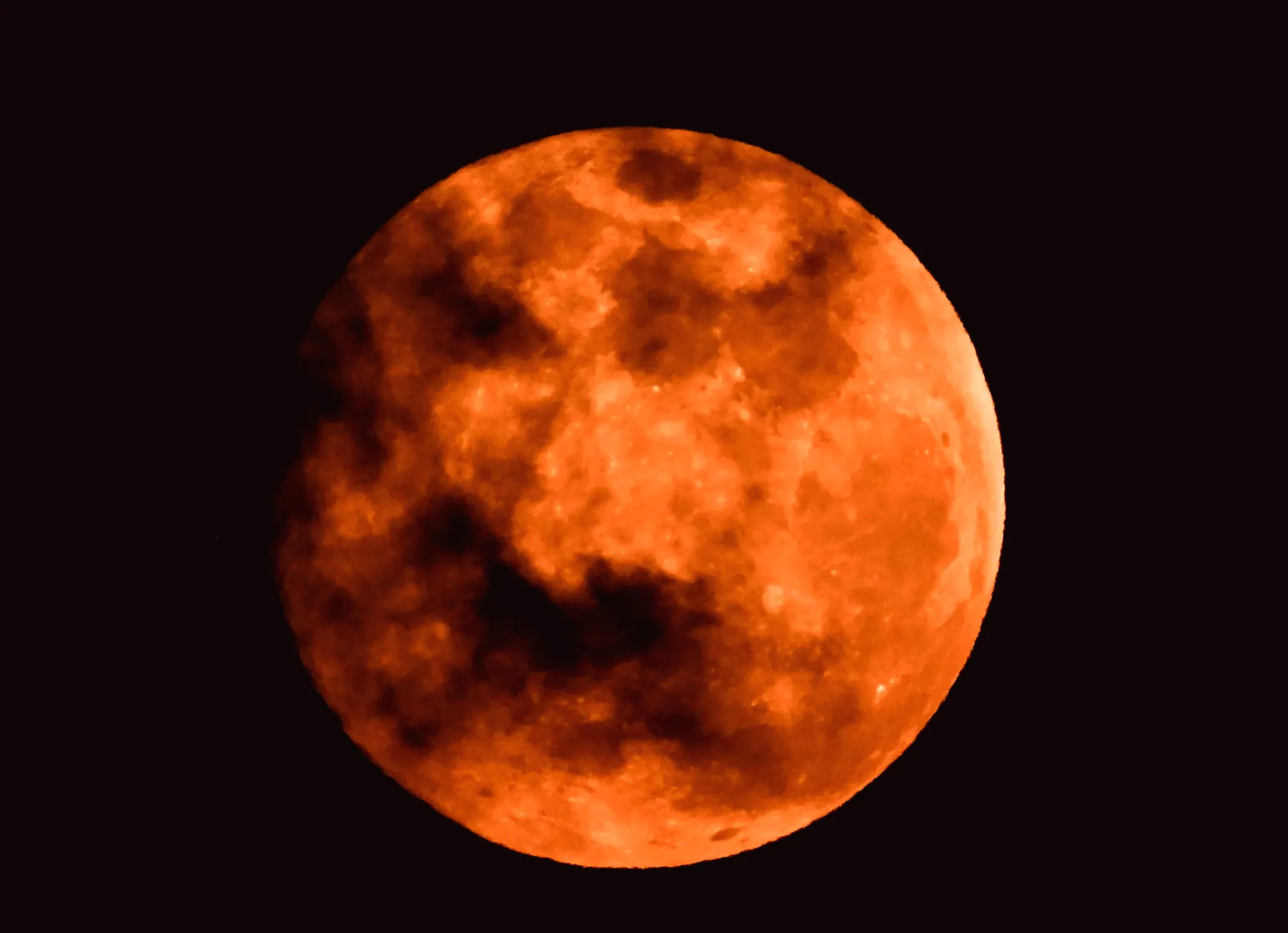
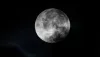
Tonight, December's full cold moon of 2025 rises in the constellation Gemini, marking the final supermoon of the year. This bright lunar spectacle will be visible for several nights and coincides with the beginning of the Geminid meteor shower.
December Supermoon Details
The full moon tonight will be closer to Earth than usual, with its nearest approach at approximately 221,965 miles. This makes it appear noticeably larger and more luminous in the sky. It is the third and last supermoon in a series of consecutive supermoons in 2025.
Often called the "long night moon," December's cold moon appears during the longest nights of the year, just before the winter solstice.
Timing and Visibility
The December cold supermoon rises on Thursday, December 4, 2025, with its peak brightness at 6:14 p.m. ET. Because it rises low on the horizon, it will look exceptionally big and radiant. Like the November beaver moon, it can be observed around the same time for several nights.
Understanding the Cold Moon
December's full moon is known as the cold moon due to its appearance near the winter solstice and the frigid temperatures in the northern hemisphere. Other traditional names include the long night moon, drift clearing moon, and little spirit moon, reflecting Native American, European, and colonial influences.
What Makes a Supermoon?
A supermoon occurs when the moon is both full and at its closest point to Earth in its orbit. At roughly 226,000 miles away, this full moon will appear brighter and larger than an ordinary full moon.
Supermoons usually happen in series of three or four. This years series started in September 2025 and will conclude in January 2026, with the next cycle beginning in November 2026.
Moon Phases This Month
- Full Moon: Dec. 4
- Last Quarter: Dec. 11
- New Moon: Dec. 19
- First Quarter: Dec. 27
The Geminid Meteor Shower
A meteor shower happens when Earth passes through debris left by a comet or asteroid. These meteoroids enter the atmosphere and burn up, producing bright streaks of light, commonly called "shooting stars."
The Geminid meteor shower, one of the most active of the year, will begin on the night of December 4 and continue through December 17, peaking on December 13-14. Named for the constellation Gemini, the meteors seem to radiate from near the star Castor.
Under ideal conditions, observers can see up to 120 meteors per hour. The Geminids are unique because they originate from asteroid 3200 Phaethon, which crosses Earth's orbit every mid-December, rather than from a traditional comet.
Winter Solstice
The first day of winter in 2025, the winter solstice, falls on Sunday, December 21, bringing the shortest day of the year with about 9 hours and 17 minutes of daylight.
Looking Ahead
The first full moon of 2026, known as the January wolf supermoon, will rise on Saturday, January 3, 2026, marking the last of four consecutive supermoons.
Author: Benjamin Carter
Share
Geminid meteor shower 2025 tonight: location and viewing times
1 hours ago 3 min read ENTERTAINMENT

Duration of a full moon: December supermoon still visible
2 hours ago 2 min read US
The peak of the 2025 December supermoon has arrived
7 hours ago 3 min read ENTERTAINMENT
The last supermoon of 2025 illuminates the evening sky. Check out the pictures.
9 hours ago 1 min read WORLD
This week marks the rise of the last supermoon in 2025
1 days ago 2 min read ENTERTAINMENT
Bright supermoon and 2 meteor showers to illuminate California sky. Find out when
2 days ago 3 min read ENTERTAINMENT
The California sky will be illuminated by a 'Luminous' supermoon and 2 meteor showers. Here's when
2 days ago 3 min read ENTERTAINMENT
Is there a full moon tonight? Understanding the meaning of December 2025 cold moon and today's moon phase
2 days ago 3 min read ENTERTAINMENT
When will the December supermoon occur in 2025?
2 days ago 2 min read ENTERTAINMENT
Watching the Geminids meteor shower and December supermoon in Florida: A guide
3 days ago 3 min read WORLD