

IPCC chief urges UN scientists to be 'clear' on human impact to combat climate denial
- Last update: 52 minutes ago
- 2 min read
- 864 Views
- WORLD
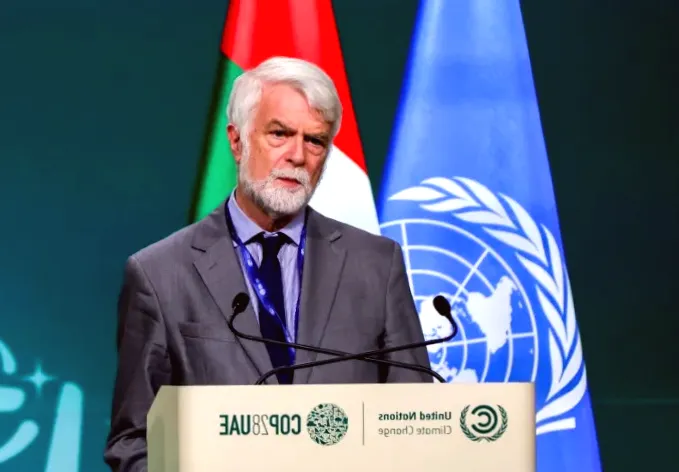
As climate change skepticism persists, including claims by some political leaders that it is a hoax, the UN's climate science organization must communicate unequivocally that human activity is warming the planet, said the chair of the Intergovernmental Panel on Climate Change (IPCC).
Jim Skea, a Scottish professor leading the IPCC, spoke after a five-day meeting near Paris, which brought together over 600 scientists to begin drafting the next major UN climate report. The final report is expected to be published between 2028 and 2029.
Founded in 1988, the IPCC produces comprehensive assessments of global climate research every five to seven years, providing guidance for policymakers and supporting international climate negotiations.
Steps to Limit Global Warming
Skea emphasized that returning global warming to the 1.5C target requires significant emissions reductions in both energy production and land use. Additionally, large-scale carbon dioxide removal will be essential, though scientific understanding in this area is still developing.
Support from France
The IPCC received strong backing from the French government during the Paris meeting. Skea highlighted that support from President Emmanuel Macron and senior ministers provided scientists with encouragement, boosting their confidence and motivation for the upcoming work.
Communicating Science Amid Skepticism
In the face of climate denial, Skea stressed the importance of clear communication: the science shows unequivocally that human activities are driving climate change. Multiple lines of evidence reinforce this message, which the IPCC aims to convey to the public effectively.
US Participation and Report Approval
Although the US government is not directly funding American scientists in the IPCC process, nearly 50 US authors participate, supported by philanthropic organizations. Skea noted that final report approvals are always challenging, requiring agreement between scientists and governments, but historically the process has successfully overcome these difficulties.
Report Timing and Global Climate Summits
Countries are debating whether the next IPCC assessment should be published in 2028 to align with the COP33 summit in India, or in 2029. Skea indicated that the timeline should balance the time required for thorough scientific assessment with the needs of governments, ensuring the report remains credible and complete.
Message to Governments and the Public
As the new assessment cycle begins, Skea urged patience and attention. He highlighted emerging research areas and knowledge gaps, including strategies for limiting warming to 1.5C in the long term, which will be addressed in the upcoming report.
Author: Logan Reeves
Share

Relatives tell the BBC that Olympian and other Eritreans released after 18 years without trial
49 seconds ago 2 min read WORLD

Kate Middleton and Prince William Reportedly Feel Extremely Relieved They Weren't Obliged to Move Into a Palace
2 minutes ago 2 min read WORLD

Backstreet Boys Announce Six-Night 2026 Into the Millennium German Residency
3 minutes ago 2 min read WORLD

Increasing Amount of Satellites Will Cause Streaks on Photos taken by Orbiting Telescopes
3 minutes ago 2 min read WORLD

Sarah Ferguson looks for her own place in the UK during a housing crisis, says source.
4 minutes ago 2 min read WORLD

Sri Lanka warns of new landslides as death toll reaches 607
5 minutes ago 2 min read WORLD

Call for help locating family members following woman's passing
8 minutes ago 1 min read WORLD

Police officers honored for bravery during riot
8 minutes ago 2 min read WORLD

CDC panel postpones decision on restricting infant hepatitis B vaccinations
9 minutes ago 2 min read WORLD

IDF Chief Zamir appoints new head to investigate intelligence failures in 'Walls of Jericho' Hamas plot
10 minutes ago 2 min read WORLD