

Kremlin indicates lack of progress following Ukraine talks with US
- Last update: 2 days ago
- 4 min read
- 11 Views
- WORLD
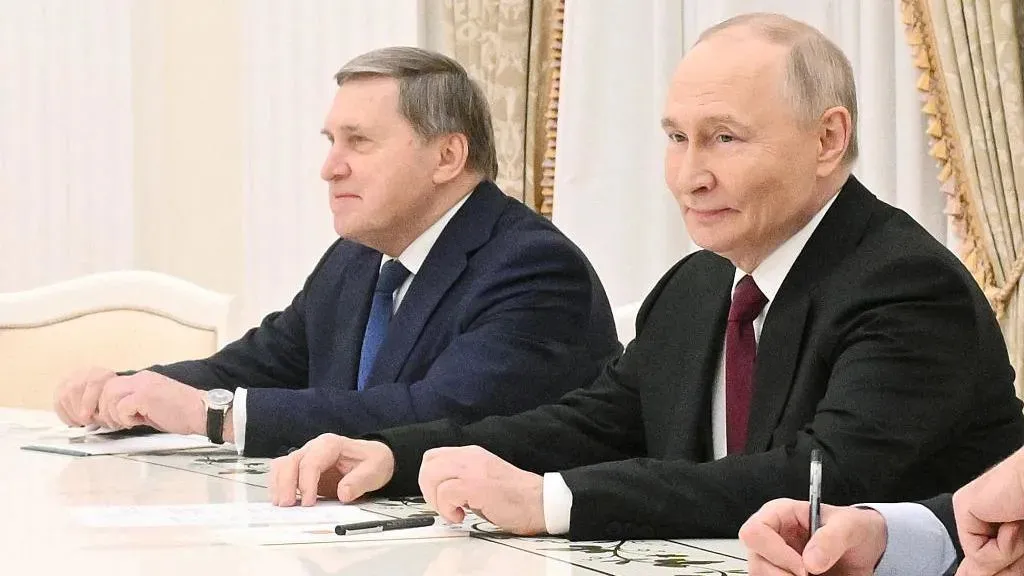
After five hours of discussions, Russian President Vladimir Putin and the United States' senior envoy for Ukraine, Steve Witkoff, alongside Jared Kushner, failed to reach a major breakthrough on a potential peace agreement. The Kremlin described the meeting as "constructive," but emphasized that several elements of the proposed plan were still unacceptable to Moscow.
Weeks of intense diplomatic efforts preceded the talks, aimed at bringing an end to the ongoing conflict. Following the Moscow meeting, the US delegation has not provided any public comments.
Earlier on Tuesday, Putin rejected revisions suggested by Kyiv and European leaders to a US-backed draft peace plan. He warned that if Europe "chooses to initiate a war," Russia is prepared to respond immediately. Ukraine and its allies have pressed the US to modify the draft plan, which the White House seeks to finalize quickly and which Russia had previously shown some receptiveness to. The original version, leaked in November, was seen as favorable to Russia but has undergone multiple revisions.
Following the talks, Putin's top aide, Yuri Ushakov, stated that the Kremlin agreed with some aspects of the plan but criticized others. "We have not yet reached a compromise significant work remains," he added.
Key issues remain unresolved, including Ukraine's potential ceding of territory it still controls and the nature of European security guarantees. Both Moscow and Ukraine's European partners continue to differ sharply on their expectations for a peace settlement.
Before the meeting, Putin criticized European leaders for supporting Kyivs defense, claiming they were under the false impression that they could strategically defeat Russia. He reiterated that Russia did not seek conflict with Europe but is ready if war arises.
Ukrainian President Volodymyr Zelensky said he expects the US team to brief him on the Moscow discussions, though it remains unclear whether Witkoff and Kushner will travel to Kyiv or other European capitals for further talks. Zelensky described the current moment as a crucial opportunity to end the war but noted that the details of the proposals still require negotiation. He emphasized the need for Kyivs involvement in peace talks and clear security assurances, including NATO membershipa point rejected by Russia and previously ruled out by Trump.
High-level discussions on the draft plan have already taken place in recent weeks, involving US Secretary of State Marco Rubio along with Witkoff and Kushner. The White House indicated the proposals had been refined, though details remain unconfirmed. Putin, confident in Russia's position on the battlefield, has remained firm on his demands, while Zelensky insists on retaining control over eastern regions of Ukraine.
During the talks, former President Trump commented to his cabinet that the conflict remained complex and difficult to resolve. European allies of Kyiv proposed their own version of the peace plan, removing controversial points such as US recognition of Donetsk and Luhansk as de facto Russian territories. Zelensky met virtually with European leaders, including French President Emmanuel Macron, who emphasized that a final plan requires Ukraine's input.
Meanwhile, fighting continued on the front lines. Ukraine's military reported ongoing clashes with Russian forces in Pokrovsk, challenging Moscows claims of having captured the city. Russias Defense Ministry posted a video claiming control, while Ukrainian authorities dismissed the claims, reporting that Russian troops had retreated and suffered heavy losses. Similar disputes occurred in Vovchansk and Kupyans, with Ukraine asserting improved positions in contested areas.
Since the Russian invasion on 24 February 2022, tens of thousands of soldiers have been killed or wounded, along with over 14,000 civilians, according to the UN. The conflict has caused extensive damage to civilian infrastructure, including schools, hospitals, and residential buildings. The roots of the conflict date back to 2014, when Russia annexed Crimea following Ukraine's ousting of a pro-Russian president and supported uprisings in eastern Ukraine.
Zelensky highlighted that control over Ukrainian territory remains the most sensitive issue, while preparations continue for upcoming meetings with US envoys aimed at advancing peace negotiations.
Author: Sophia Brooks
Share

Serious injury to pedestrian in Shipley accident
15 seconds ago 1 min read WORLD
U.K. and Norway agree to collaborate in tracking Russian submarines in North Atlantic
1 minutes ago 2 min read WORLD

Radio 1 newsreader fulfills CBeebies dream with royal support
4 minutes ago 2 min read WORLD

Confirmation: Nanotyrannus was a separate species, not a young T. rex
4 minutes ago 3 min read WORLD

Is It Possible to Capture Images of Alien Earths? This Newly Discovered Object Could Provide the Answer
6 minutes ago 2 min read WORLD

City hospital urges wearing masks during flu outbreak
7 minutes ago 1 min read WORLD
New clashes in eastern Congo put at risk 'historic' peace agreement mediated by Trump
9 minutes ago 2 min read WORLD
‘Continuous oil deliveries’: Main points from Putin-Modi discussions in Delhi
10 minutes ago 4 min read WORLD
IPCC chief urges UN scientists to be 'clear' on human impact to combat climate denial
11 minutes ago 2 min read WORLD

Crash and car fire lead to closure of busy road
11 minutes ago 1 min read WORLD