
‘Continuous oil deliveries’: Main points from Putin-Modi discussions in Delhi
- Last update: 49 minutes ago
- 4 min read
- 682 Views
- WORLD
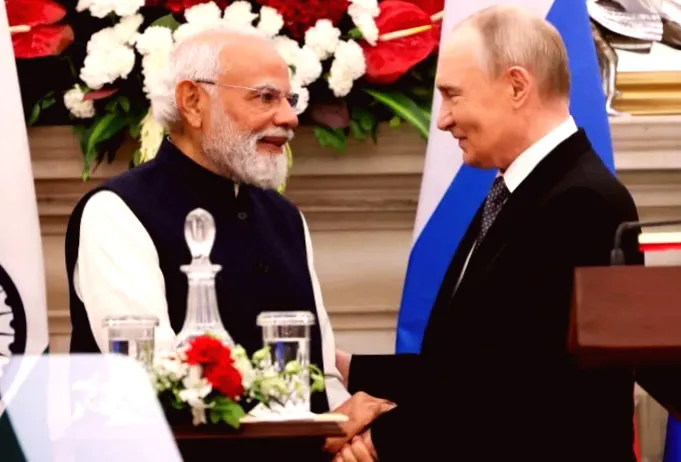
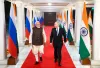
New Delhi, India Amidst heavy smog in one of the worlds most polluted cities, Russian President Vladimir Putin and Indian Prime Minister Narendra Modi demonstrated strong diplomatic resolve, emphasizing that their bilateral partnership remains steady despite global tensions. At the annual Russia-India summit in Delhi, the two leaders portrayed their ties as a stabilizing influence during a time of mounting Western pressure, including recent U.S. tariff threats and ongoing negotiations to resolve the conflict in Ukraine.
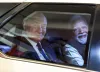
Prime Minister Modi described the relationship as steadfast like a pole star, while President Putin commended Modi for resisting external pressure and investing in the India-Russia partnership. In an unusual gesture, Modi personally welcomed Putin at the Delhi airport on Thursday night and accompanied him in his car back to the PMs residence, engaging in what observers called limo diplomacy.
During the summit, several memorandums of understanding were signed across multiple sectors, including energy, agriculture, and pharmaceuticals. Modi stated that these agreements aim to elevate the India-Russia economic partnership through 2030, with a shared trade target of $100 billion. Highlighting energy collaboration, Putin affirmed, Russia is ready for uninterrupted shipments of fuel to India.
While importing Russian crude has created tensions with the U.S., which claims such purchases indirectly finance Russias war in Ukraine, India has continued to pursue its strategic interests. Earlier in the year, the U.S. imposed a 25 percent additional tariff on Indian goods, totaling 50 percent, as a response to these imports.
Key Takeaways from the Summit
The summit facilitated multiple trade agreements, covering employment, health, shipping, and chemical industries. Analysts emphasized that the events broader significance lies in the political message it sends. Harsh Pant, a geopolitics expert, noted that the summit signals neither nation intends to weaken their relationship and that both are committed to strengthening economic ties beyond oil and defense sectors.
Robinder Sachdev of the Imagindia Institute highlighted the summits role in enhancing people-to-people connections and extending cooperation beyond government-level agreements. Both leaders refrained from media questions after their statements. Putin expressed satisfaction with agreements that will deepen the partnership and pointed out shared goals with India and other BRICS nations to promote a multipolar world.
Modi emphasized that the Economic Cooperation Programme seeks to diversify and stabilize trade and investment, expand co-production and co-innovation, and work toward a Free Trade Agreement with the Eurasian Economic Union. He highlighted energy security as a cornerstone of bilateral relations and mentioned new Indian consulates in Russia and upcoming 30-day visa schemes for Russian tourists.
Regarding the Ukraine conflict, Modi reiterated Indias stance on peace, stating that the country has consistently supported diplomatic solutions. He underscored India and Russias long-standing collaboration against terrorism. Putin acknowledged the breadth of the bilateral relationship, spanning military cooperation, space, AI, and other sectors.
Indias Strategic Balancing
New Delhi navigates a complex geopolitical environment, balancing U.S. pressure and its historical ties with Moscow. The U.S. has criticized India for financing Russias war through oil imports. Yet India, historically non-aligned, has maintained relations with Russia while deepening strategic ties with the U.S. India remains Russias top arms buyer, relying on platforms such as the S-400 missile system and Sukhoi Su-30MKI fighters during recent clashes with Pakistan.
The Delhi summit reinforced the message that both sides are committed to investing diplomatic capital in their relationship. Analysts noted that U.S. pressure has strengthened Indias perception of the importance of its Russian partnership.
Trade and Energy Cooperation
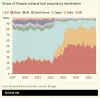
Putin asserted that Western sanctions and U.S. tariffs on India have not disrupted energy cooperation. He questioned why India should be denied access to Russian fuel when the U.S. continues to purchase Russian nuclear fuel. Since 2022, India-Russia trade has surged from $10 billion to nearly $69 billion, primarily driven by Indias purchases of Russian oil, though Indias exports remain limited, resulting in a $64 billion trade deficit. Official data shows India reduced crude imports from Russia by 38 percent in value compared to the previous year, yet Russia still supplies over 30 percent of Indias oil imports.
Putin stressed that bilateral trade remains resilient, underpinned by mutual trust and efficient commercial ties. The summit also included discussions on defense cooperation, with Russian support for Indias self-reliance in defense production. Agricultural trade was addressed, with Russia showing interest in Indian fishery and meat products.
Looking Ahead
Geopolitical analysts suggest that India hopes for a resolution in Ukraine to ease pressure on Russia, which would open opportunities for expanding trade. The summit reaffirmed that both nations aim to strengthen their long-term partnership, signaling stability in an increasingly fragmented global landscape.
Author: Ethan Caldwell
Share
What were the results of the meeting in Delhi for Putin and Modi?
1 hours ago 3 min read WORLD
Despite Pressure from Trump, Putin Finds Willing Trade Partner in India
1 hours ago 2 min read WORLD
Putin assures Russia's commitment to provide 'continuous' fuel supply to India
1 hours ago 3 min read WORLD
Putin opposes US pressure on India regarding Russian oil during state visit
4 hours ago 3 min read WORLD
Conversation leak reveals Europe's lack of trust in US during Ukraine peace negotiations
5 hours ago 1 min read WORLD
Putin's visit to Delhi puts oil and trade in spotlight
7 hours ago 1 min read BUSINESS

India warmly welcomes Russia's Putin
7 hours ago 2 min read WORLD
Putin and Modi start India summit amid looming trade and US sanctions
7 hours ago 3 min read WORLD

Putin and Modi to discuss trade and defense ties between Russia and India amidst US pressure
8 hours ago 3 min read WORLD

Putin shows support to Modi amid US tariffs on India
21 hours ago 2 min read BUSINESS