

Putin initiates large-scale drone strike following refusal of peace agreement
- Last update: 2 hours ago
- 3 min read
- 119 Views
- WORLD
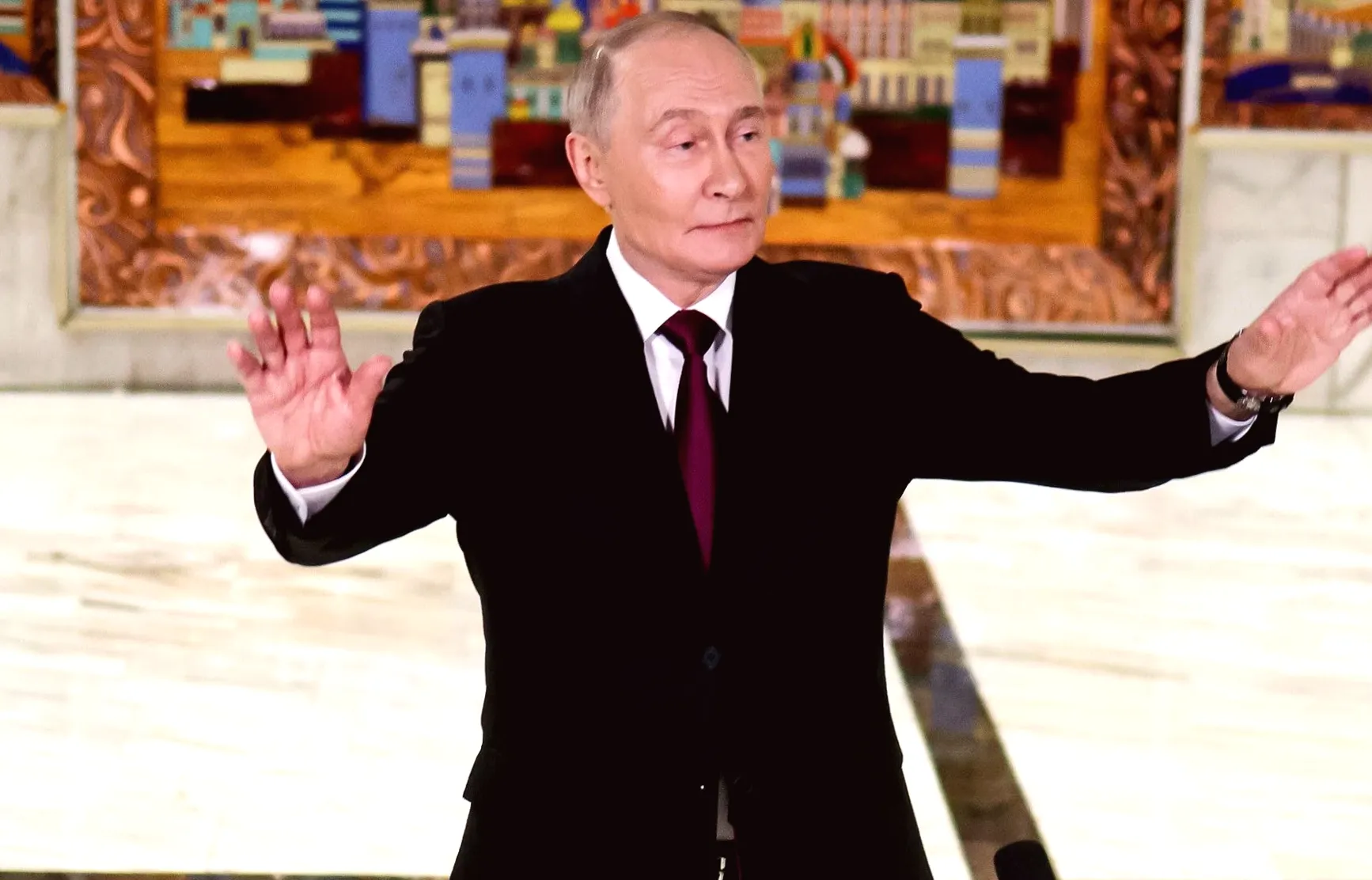
Russia launched a significant drone assault on Ukraine shortly after dismissing a U.S.-backed peace initiative. At least 111 drones targeted the eastern Dnipro region overnight, resulting in the deaths of two civilians and injuries to three others.
The attacks came hours after lengthy talks in Moscow between Russian President Vladimir Putin and U.S. envoys, including Steve Witkoff and Jared Kushner. Despite discussions that continued into the early hours, no agreement was reached on the key issue of Ukrainian territory.
Yuri Ushakov, an aide to the Russian president, stated that after five hours of negotiation, no compromise had been achieved on the territorial dispute, leaving the sides neither further nor closer to a resolution.
Ukrainian President Volodymyr Zelensky emphasized the importance of European decisions on utilizing Russias frozen assets to support Ukraine while negotiations over territorial concessions and security guarantees continue. The European Commission has approved a 210 billion financial plan to equip Ukraine with weapons, though Belgiums objections to using frozen Russian assets pose a potential obstacle.
Following the Moscow talks, U.S. envoys Witkoff and Kushner returned to the United States, canceling a follow-up meeting with President Zelensky due to the lack of progress. Zelensky reaffirmed the need for strong guarantees from the U.S. and Europe. U.S. Secretary of State Marco Rubio noted that some progress had been made on security guarantees for Ukraine, aiming to prevent the country from becoming a puppet state of Russia.
Prior to the talks, Putin accused Ukraines European partners of undermining negotiations and rejected modifications to the U.S. peace proposal as unacceptable. He claimed Russia was prepared for conflict with Europe, remarks which were dismissed by UK officials as bluster. UK Prime Minister Keir Starmer stated that Putin is deliberately avoiding a peace agreement and that the UK will continue to pressure Russia through economic sanctions.
The Kremlin maintained that Putin is willing to meet U.S. negotiators as needed and that no outright rejection of the proposals occurred, framing the talks as a first exchange of opinions rather than a final verdict. Nevertheless, Russia indicated that compromises have not yet been found and sees little incentive to make major concessions.
In the military theater, Ukraine rejected Russian claims of a breakthrough in Donetsk, releasing footage of captured Russian soldiers to counter Moscows narrative. Russian forces have conducted numerous small-scale operations around Lyman, resulting in casualties and prisoners.
Meanwhile, NATO and European leaders are taking steps to strengthen security and independence. Finland and Sweden signed a defense pact to counter Russian cyber and military threats, while the EU moved forward on a 210 billion package to support Ukraine militarily and economically. Discussions continue on using frozen Russian assets to fund part of the aid.
The conflict has prompted Estonia to pledge potential troop deployment to Ukraine if peace guarantees include a security force, while Hungary and Slovakia plan legal challenges to the EUs ban on Russian energy imports by 2027.
Ukrainian President Zelensky reiterated that resolving the war will require difficult decisions regarding territorial concessions, frozen assets, and security guarantees. He stressed that transparency and fairness must guide any solution.
On the ground, the Russian drone campaign caused extensive damage in eastern Ukraine, including the destruction of residential buildings in Krematorsk and Dnipro, underscoring the ongoing humanitarian impact of the conflict.
Author: Aiden Foster
Share
Suspected Ukrainian strike leaves sanctioned oil tanker stranded off Bulgaria's Black Sea coast
44 minutes ago 2 min read WORLD

How would Canada, US and Mexico perform in their World Cup groups?
46 minutes ago 3 min read WORLD

Bethlehem Christmas tree shines bright for the first time since the beginning of the Gaza war
46 minutes ago 3 min read WORLD

Expert: Prince William Quietly Transforming Monarchy's Traditions
47 minutes ago 2 min read WORLD
Achieving lasting peace in Ukraine could depend on the presence of independent monitors - however, Trump's 28-point plan barely acknowledges their importance.
49 minutes ago 3 min read WORLD
Russia extends US citizen Gilman's jail sentence by 2 years, state media report
49 minutes ago 1 min read WORLD

Nature retracts German study on worldwide expenses of climate change
49 minutes ago 2 min read WORLD

Machado, the winner of the Peace Prize, is 'doing everything' to attend the ceremony
50 minutes ago 2 min read WORLD
Ukrainian strike leaves sanctioned oil tanker stranded off Bulgaria's Black Sea coast
50 minutes ago 2 min read WORLD
'We must stay united': Top EU diplomat supports partnership with US
53 minutes ago 2 min read WORLD