

Report warns Israel of worst prison overcrowding crisis in history
- Last update: 59 minutes ago
- 3 min read
- 876 Views
- WORLD
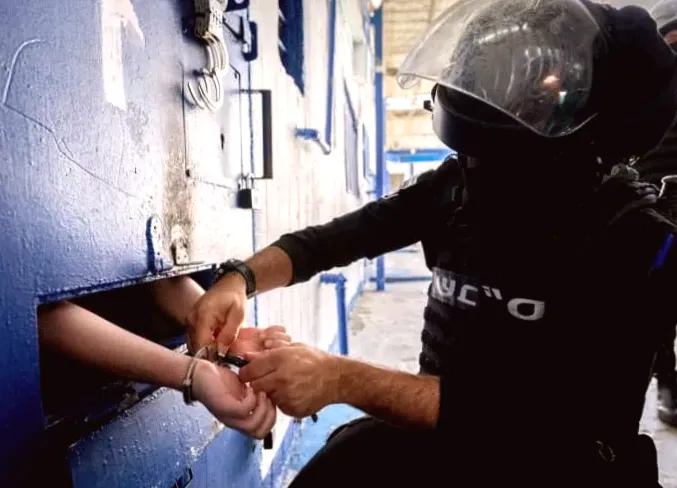
Daily life inside Israeli prisons has become increasingly dire, with cells so packed that inmates must climb over one another to move, and many sleeping on thin mats on the floor for extended periods. A report released Thursday by the Public Defenders Office highlights a historic incarceration crisis, pointing to widespread overcrowding, failing sanitary conditions, and serious shortcomings in medical and psychiatric care across 43 detention and prison facilities.
Inspections conducted between 2023 and 2024 revealed that the prison system is operating far beyond its intended capacity, largely driven by a surge in arrests following the outbreak of the Israel-Hamas War.
Conditions Inside the Prisons
The report details extreme conditions: unventilated cells with suffocating heat, infestations of bedbugs and cockroaches, and detainees collecting insects in jars to demonstrate the severity of the problem. In some facilities, prisoners slept under sinks, by toilets, or directly on the floor, while some with disabilities lacked suitable accommodations.
At Abu Kabir Prison in Tel Aviv, a cell meant for six held twelve inmates, with only six beds available, alongside broken showers, mold-streaked walls, and persistent foul odors. In Ramles Nitzan Detention Center, overcrowding was so extreme that inspectors could not enter some cells, and detainees spent most of the day motionless due to lack of space. Similar situations were observed at Rimonim and Maasiyahu Prisons, with prisoners enduring dangerous heat and suffocating conditions.
Sanitation and Health Failures
Most facilities, often housed in aging buildings, suffer from chronic plumbing issues and dampness. Hasharon Prisons cellblocks had failing squat-style toilets and strong sewage odors, while Givon Prison saw detainees collecting bedbugs in jars and walls stained with blood from repeated insect bites. Eleven facilities displayed major deficiencies in medical and psychiatric care, with some prisoners in urgent need of hospitalization kept in detention due to lack of space in specialized hospitals.
Conditions for female inmates are especially critical. At Neve Tirza Prison, the countrys only womens facility for those with severe psychiatric issues, detainees lack proper therapeutic care and are confined in isolation units. Inspectors reported extreme distress, including inmates smearing walls with feces and exhibiting uncontrolled behavior.
Impact of the Israel-Hamas War
By the end of 2024, Israel held approximately 23,000 inmates, surpassing the legal maximum of 14,500. Emergency legislation in October 2023 allowed the Israel Prison Service (IPS) to bypass minimum space and bed requirements, yet the system remains overwhelmed. The influx of security detainees from Gaza and the West Bank during "Operation Resurrection" intensified the crisis, leaving the IPS responsible for over 9,000 security prisoners, nearly double the pre-war number.
Prison and Police Station Overcrowding
Overcrowding extends beyond prisons into police stations, where detainees have been held for days or weeks in facilities not designed for long-term confinement. Inspectors found inadequate showers, lack of outdoor access, no medical personnel, and minimal bedding or hygiene supplies.
Responses and Recommendations
The IPS acknowledged the longstanding crisis and emphasized the security risks involved in managing high-risk criminal and terrorist detainees. Despite adding more than 1,400 beds through renovations and temporary adjustments, demand continues to exceed capacity. Accelerated construction projects and innovative rehabilitation initiatives are underway, alongside ongoing cooperation with the Public Defenders Office.
The Public Defenders Office called for immediate systemic reforms to expand capacity and restore humane conditions, in line with both Israeli and international legal standards.
Author: Aiden Foster
Share
What was the cause of the earthquake in north-west England?
6 minutes ago 2 min read WORLD

6th-Grade Teacher Utilized AI to Create Child Sexual Abuse Materials and Took Photos of Himself Sexually Assaulting Family Pet
7 minutes ago 2 min read WORLD

WHO chief optimistic about finalizing pandemic treaty
10 minutes ago 2 min read WORLD

Kate Middleton wears $9,500 diamond earrings with two special connections to Prince William
10 minutes ago 2 min read WORLD

MED-EL's cochlear implants receive approval for use in infants
13 minutes ago 2 min read WORLD

Britain and Norway form naval partnership to defend North Sea against Russia
14 minutes ago 2 min read WORLD

Scottish Labour frontbencher resigns due to connections with sex offender
15 minutes ago 2 min read WORLD

UK and Norway to collaborate in 'searching for Russian submarines' under new agreement
16 minutes ago 3 min read WORLD

Zelensky's close associate removed from additional positions following bribery scandal
23 minutes ago 1 min read WORLD
Man left with serious injuries after being attacked by a shark while snorkeling: 'I was terrified'
23 minutes ago 2 min read WORLD