

Researchers claim that the DNA of maggots could transform the way death investigations are conducted
- Last update: 58 minutes ago
- 2 min read
- 391 Views
- WORLD
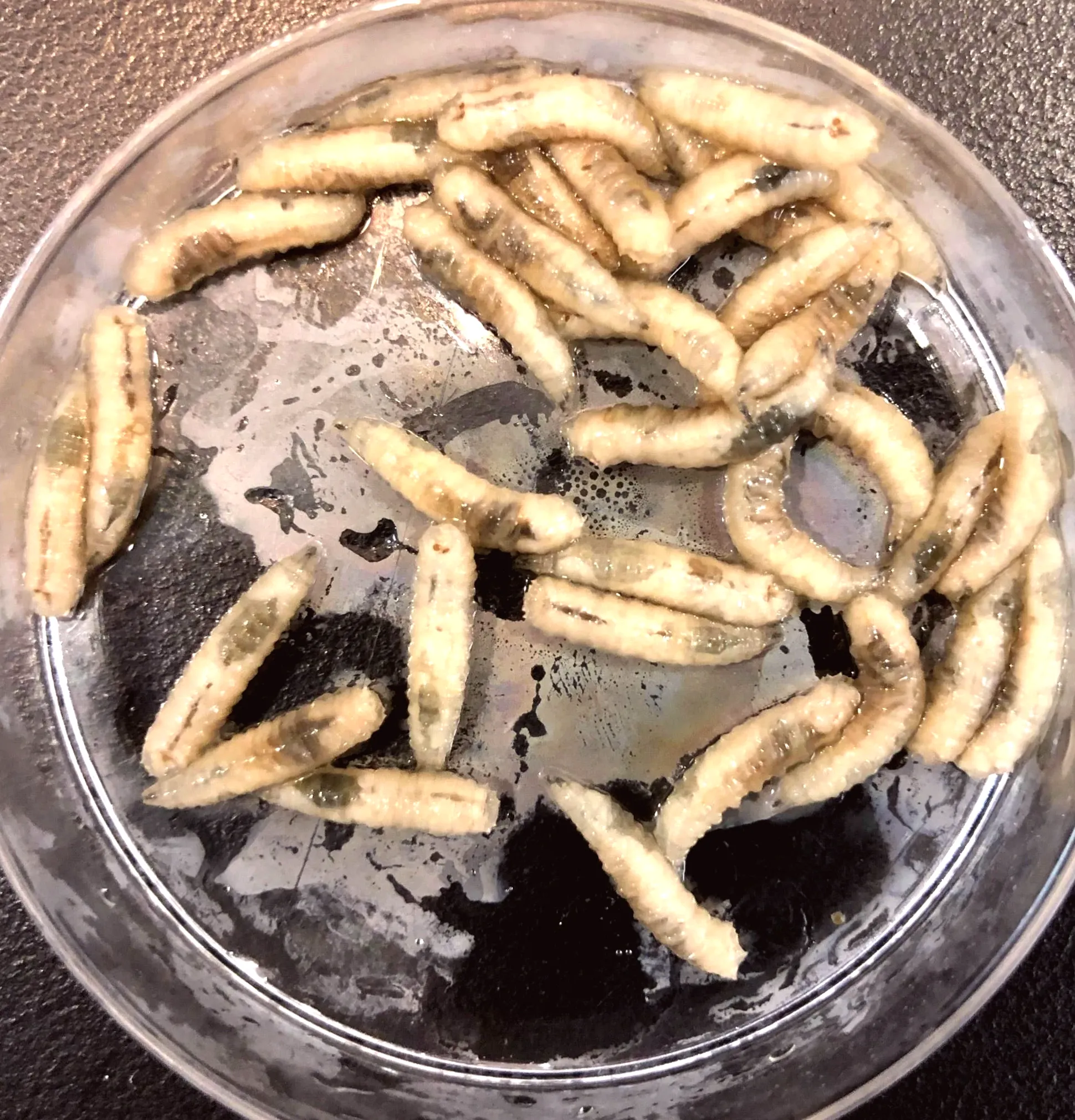
Florida researchers suggest that maggots might hold the key to more precisely determining the time of death by examining the genetic patterns of fly larvae. This approach expands on traditional techniques used in forensic investigations.
Currently, forensic experts estimate death times by examining the size, appearance, and presence of eggs on maggots found on decomposing bodies. However, scientists at Florida International University (FIU) in Miami have discovered that tracking genetic and metabolic changes in maggots can offer a more accurate timeline of death.
The university describes this discovery as a molecular clock, which could significantly improve death investigations worldwide. The study was published on December 4 in the peer-reviewed journal PLoS Genetics.
Limitations of Existing Methods
FIU biologist Matthew DeGennaro and forensic researcher Jeffrey Wells led the study. They explain that maggots, which are among the first organisms to consume decomposing tissue, are traditionally used to estimate the time since death based on their physical characteristics. Larger or more developed maggots generally indicate a longer period since death.
One challenge with the conventional approach is that maggots enter a stage called the third instar, during which their external appearance remains mostly unchanged for hours or even days. During this stage, larvae stop feeding and begin wandering from the body to find a site for pupation. Relying solely on outward traits during this period can reduce the precision of time-of-death estimates.
The Molecular Approach
To overcome these limitations, the FIU team monitored genetic changes in maggots throughout the third instar stage at 10-hour intervals. Ph.D. candidate Sheng-Hao Lin identified nine genes that changed as larvae aged. This genetic analysis enabled the researchers to construct a molecular clock, which provides a more accurate assessment of larval age and, in turn, the time of death.
The study revealed that:
- Maggots began wandering at around 90 hours old.
- No significant changes in size or weight were observed between 110 and 130 hours.
- Wandering became the main behavior once maggots reached 130 hours.
The molecular clock method is now ready for testing outside laboratory conditions, offering the potential for substantial improvements in forensic investigations.
Author: Gavin Porter
Share

What was the cause of the earthquake in north-west England?
2 minutes ago 2 min read WORLD

6th-Grade Teacher Utilized AI to Create Child Sexual Abuse Materials and Took Photos of Himself Sexually Assaulting Family Pet
3 minutes ago 2 min read WORLD

WHO chief optimistic about finalizing pandemic treaty
6 minutes ago 2 min read WORLD

Kate Middleton wears $9,500 diamond earrings with two special connections to Prince William
6 minutes ago 2 min read WORLD

MED-EL's cochlear implants receive approval for use in infants
9 minutes ago 2 min read WORLD

Britain and Norway form naval partnership to defend North Sea against Russia
10 minutes ago 2 min read WORLD

Scottish Labour frontbencher resigns due to connections with sex offender
12 minutes ago 2 min read WORLD

UK and Norway to collaborate in 'searching for Russian submarines' under new agreement
12 minutes ago 3 min read WORLD

Zelensky's close associate removed from additional positions following bribery scandal
19 minutes ago 1 min read WORLD
Man left with serious injuries after being attacked by a shark while snorkeling: 'I was terrified'
19 minutes ago 2 min read WORLD