

Russians remain sceptical about state-backed messenger, saying 'I don't trust it'
- Last update: 4 days ago
- 2 min read
- 11 Views
- WORLD
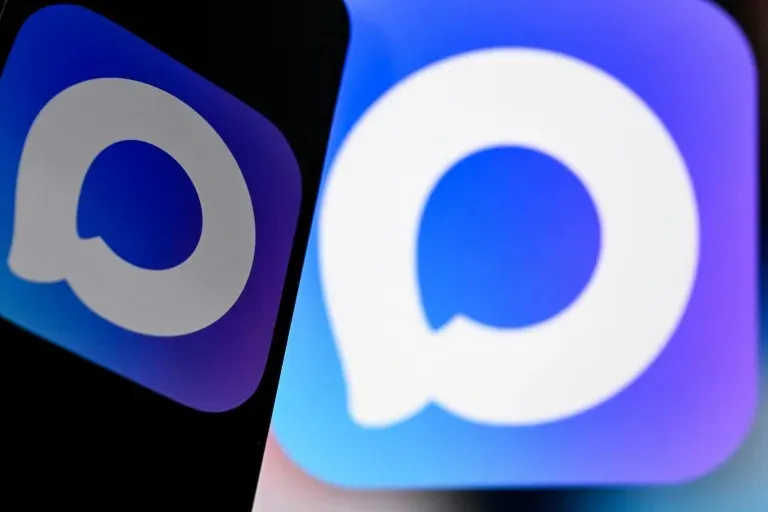
A newly launched Russian messaging service, designed to eventually replace WhatsApp and Telegram, has been widely praised by government officials but has elicited mixed reactions among Moscow residents. Max, introduced earlier this year by Russian social media powerhouse VK, is being promoted as a "super app" capable of handling a wide range of tasks, from accessing government services to ordering food, similar to China's WeChat or Alipay.
The government has instructed device manufacturers to pre-install Max on all new smartphones and tablets starting September 1, while simultaneously restricting call functions on foreign-owned messaging platforms, a move critics describe as a coercive strategy to push users toward the domestic app. Officials argue that Max is secure and will reduce Russia's reliance on overseas platforms that store data abroad, but privacy advocates warn that, lacking end-to-end encryption, the app could serve as a potent surveillance tool.
"I don't trust it very much," said Ekaterina, a 39-year-old doctor who asked not to disclose her surname. She was required by her employer to install Max for work but continues to use WhatsApp for personal communication. "I have a personal history in my messages that I don't want to lose, and work communication as well," she explained.
On Friday, the Russian media watchdog Roskomnadzor revealed it was considering a full ban on WhatsApp, claiming the platform could facilitate "criminal activities." Call functionality on WhatsApp had already been blocked since August. WhatsApp, which has nearly 100 million users in Russia, responded by saying the ban is motivated by its security features. The app uses end-to-end encryption, meaning messages are scrambled during transmission and can only be read by the intended recipient. Encrypted messages are temporarily stored on Meta servers but are deleted once delivered, and the company has refused to provide them to authorities.
Public opinion remains divided. "The situation is mixed," said Andrei Ivanov, 33. "I worry that information on WhatsApp could be intercepted by other countries, but its very convenient for communication." He added that forcing users to switch represents "a certain limitation of our freedoms."
Some residents expressed less concern. Sergei Abramov, a 67-year-old pensioner, commented, "I understand that foreign-made platforms are now considered a threat, but I don't see a major issue if WhatsApp is blocked." Designer Maria Isakova, 36, echoed the sentiment: "We are good at adapting. There are other messaging apps available, and we can easily switch."
Author: Sophia Brooks
Share

Relatives tell the BBC that Olympian and other Eritreans released after 18 years without trial
48 seconds ago 2 min read WORLD

Kate Middleton and Prince William Reportedly Feel Extremely Relieved They Weren't Obliged to Move Into a Palace
2 minutes ago 2 min read WORLD

Backstreet Boys Announce Six-Night 2026 Into the Millennium German Residency
3 minutes ago 2 min read WORLD

Increasing Amount of Satellites Will Cause Streaks on Photos taken by Orbiting Telescopes
3 minutes ago 2 min read WORLD

Sarah Ferguson looks for her own place in the UK during a housing crisis, says source.
4 minutes ago 2 min read WORLD

Sri Lanka warns of new landslides as death toll reaches 607
5 minutes ago 2 min read WORLD

Call for help locating family members following woman's passing
8 minutes ago 1 min read WORLD

Police officers honored for bravery during riot
8 minutes ago 2 min read WORLD

CDC panel postpones decision on restricting infant hepatitis B vaccinations
9 minutes ago 2 min read WORLD

IDF Chief Zamir appoints new head to investigate intelligence failures in 'Walls of Jericho' Hamas plot
10 minutes ago 2 min read WORLD