

Anthropic's Dario Amodei embarks on relationship-repair tour in DC
- Last update: 3 hours ago
- 2 min read
- 584 Views
- BUSINESS
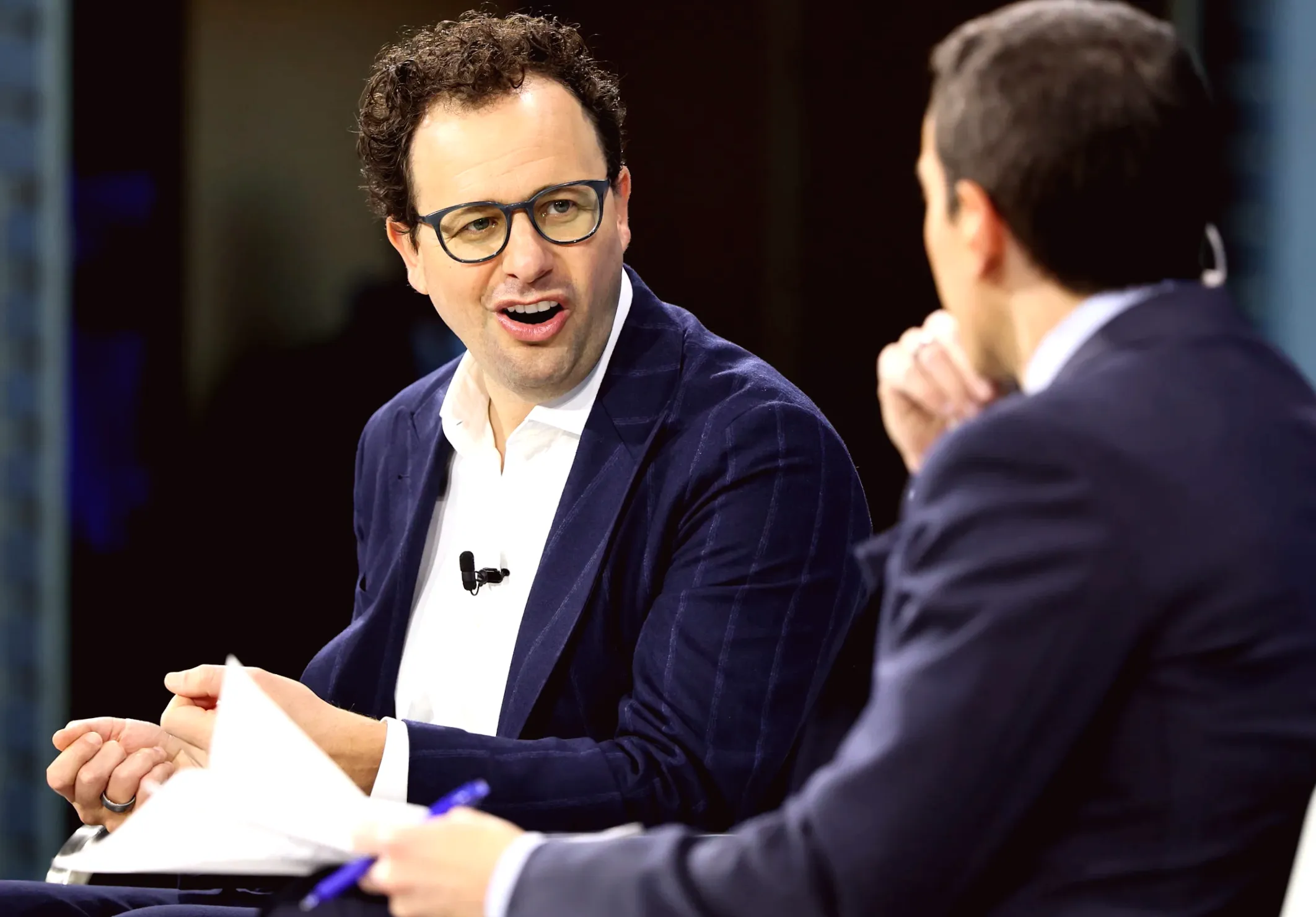
On Thursday, Anthropic CEO Dario Amodei held discussions in Washington, D.C., aiming to rebuild strained connections with the White House. His meetings included Trump administration officials and a bipartisan group of senators, focusing on AI policy, export regulations, and shared concerns about ensuring the United States and its democratic partners lead the AI industry, according to a company spokesperson.
Unlike some competitors, Anthropic has actively promoted AI safety regulations. The Trump administration has at times viewed the company as a hindrance to maintaining the U.S.s technological edge over China. Earlier this year, Amodei publicly opposed a proposed moratorium on state-level AI legislation, which ultimately did not pass. More recently, AI Czar David Sacks criticized Anthropic, suggesting the company was leveraging safety warnings to influence regulations strategically.
Amodei emphasized the need for American leadership in AI amid ongoing efforts by the Trump administration to shape U.S. tech policy, including an AI initiative likened to a Manhattan Project. The company described the talks as productive and substantive, noting bipartisan interest in sustaining U.S. dominance in AI and anticipating further discussions.
Amodeis stance on strict export controls to protect U.S. technological leadership contrasts with Nvidia CEO Jensen Huangs views. Huang recently met with Trump and Republican lawmakers, asserting that sales restrictions to China have not hindered the countrys AI development. Nvidia secured approval to resume limited H20 chip sales to China, sharing 15% of revenue with the U.S. government. As global AI competition intensifies, Chinaonce one of Nvidias largest marketsfaces new U.S. restrictions while encouraging domestic chip production.
Author: Harper Simmons
Share
Senators suggest legislation to maintain current regulations on export of AI chips
1 hours ago 2 min read BUSINESS

Leaving AI Regulation to States Could Suffocate AI
6 hours ago 3 min read BUSINESS

EU launches antitrust probe into Meta's use of AI
8 hours ago 1 min read BUSINESS

AI company efforts ranked in safety report card for protecting humanity
10 hours ago 3 min read BUSINESS

Democratic Senator Gallego calls for supervision of H-1B visas
10 hours ago 2 min read POLITICS

Controversial: AI regulations at the state level
11 hours ago 2 min read POLITICS
US Health Department Reveals Plan to Increase Use of AI Technology
11 hours ago 3 min read BUSINESS
Trump's proposal to prohibit state regulation of AI faces another obstacle
11 hours ago 1 min read POLITICS
New study uncovers critical vulnerability in top AI companies' systems: 'Existential threat posed by superintelligent systems'
17 hours ago 2 min read BUSINESS
Trump’s AI chief expresses outrage over New York Times article about suspected unethical behavior
1 days ago 2 min read BUSINESS