

Autonomous surface vessels to become part of Pentagon’s global C2 network
- Last update: 53 minutes ago
- 3 min read
- 839 Views
- BUSINESS
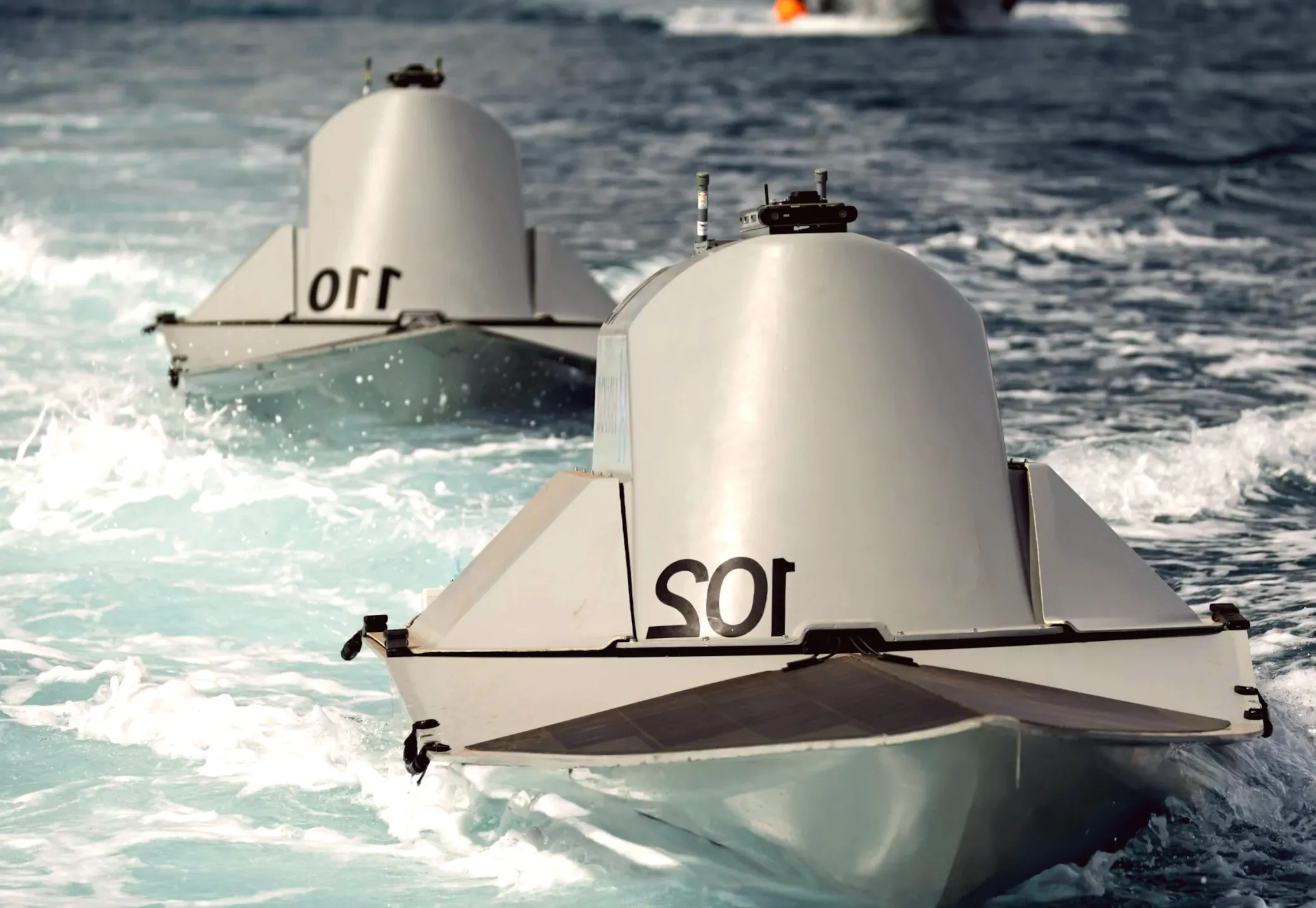
Autonomous surface vessels are set to integrate into the U.S. Navys global command and control structure following a new collaboration between HavocAI and SAIC. This development marks the first time such vessels will be widely available across all U.S. military branches, effectively expanding their operational role within American naval forces.
The companies announced that HavocAIs autonomous platforms will be linked with SAICs Joint Range Extension gateway, a system that currently supports communication among U.S. and allied forces worldwide. The integration aims to extend the capabilities of Link 16 the core multi-domain C2 network providing realtime connectivity to mobile unmanned vessels across vast ocean areas.
Representatives from both organizations shared that the primary goal is seamless interoperability with existing military networks. According to SAIC leadership, the partnership connects HavocAIs maritime innovations to longstanding communication frameworks, enabling broader data flow and expanded operational reach.
Autonomous fleet operations
HavocAIs vessels function in coordinated groups using a proprietary Collaborative Autonomy Stack. This allows the craft to carry out tasks independently, including surveillance and navigation in difficult environments, while maintaining limited human oversight. The vessels continuously exchange data among themselves, optimizing missions and requiring human involvement only for task direction.
With SAICs system now in place, fleetgenerated information will feed directly into military command centers. The vessels will operate within Link 16based networks and other highlevel C2 systems, improving visibility for decisionmakers across multiple branches.
Undersea communication trials
SAIC has strengthened its JRE infrastructure over recent years, enhancing cloudbased capabilities and preparing the network for autonomous assets. The two companies have already tested similar connectivity with undersea vehicles and believe the approach can be expanded rapidly. Additional communication links such as the use of Starlink and acoustic modems could allow surface vessels to serve as relays for submerged platforms.
Strategic applications
Officials say the integration will support future hybrid fleet strategies and improve U.S. naval presence in contested maritime regions, including waters near the Philippines. Thousands of small unmanned surface vessels operating as a collective network could conduct reconnaissance, relay intelligence, and reduce human exposure to dangerous environments.
The Arctic has also been identified as a potential operational zone, as autonomous communication capability would allow vessels to function in remote and challenging conditions.
Future expansion
The companies intend to scale production rapidly, noting that the vessels can be manufactured in large numbers if required. HavocAI states that the technology is ready for practical deployment and could be integrated as weaponcapable systems without delay.
SAIC and HavocAI believe the proactive integration of their technologies will accelerate military adoption and shape the Navys longterm unmanned strategy.
Author: Grace Ellison
Share

SpaceX plans rocket launch in California. Will Falcon 9 be visible from Arizona?
32 seconds ago 3 min read BUSINESS

Major websites experience hours-long downtime due to Cloudflare outage
38 seconds ago 1 min read BUSINESS
Tide warnings issued due to anticipated large waves
1 minutes ago 1 min read BUSINESS

Crayola recalls products due to safety hazard for children
3 minutes ago 1 min read BUSINESS

Patel's Standing Strengthened by Pipe-Bomb Suspect's Arrest
3 minutes ago 3 min read BUSINESS

New York Requires Mandatory Warnings to Make Algorithmic Pricing Transparent
4 minutes ago 2 min read BUSINESS

In Colorado town built on coal, some families are moving on despite Trump's efforts to boost industry
5 minutes ago 4 min read BUSINESS
Norway to invest $6.4 billion in two additional submarines for long-range strike capabilities
6 minutes ago 3 min read BUSINESS

US government criticizes EU's penalty on Musk's X, accuses Europe of imposing taxes on Americans
8 minutes ago 1 min read BUSINESS

What caused the death of this ancient bird with small stones in its throat?
10 minutes ago 2 min read BUSINESS