

Donald Trump's wave of pardons is normalizing corruption
- Last update: 1 hours ago
- 3 min read
- 631 Views
- BUSINESS
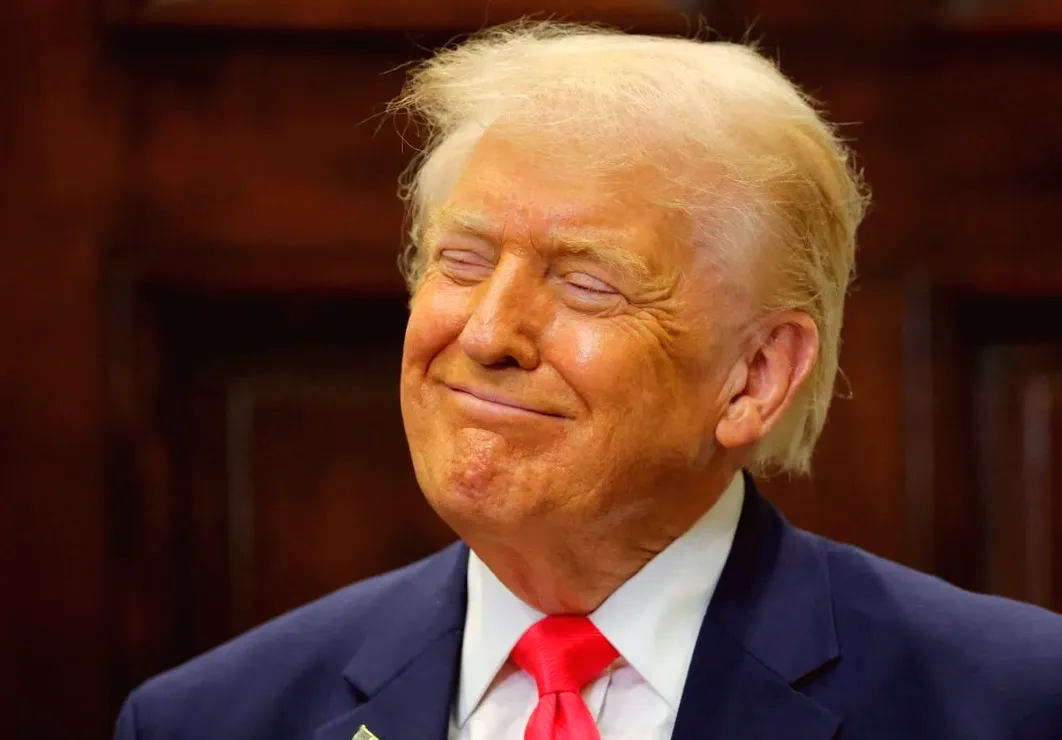
In May, the Justice Department's pardon attorney, Ed Martin, boldly stated, no MAGA left behind. Within the first year of his second term, Donald Trump, who had campaigned on ending what he described as the politicization of the Justice Department, has granted an unprecedented number of pardons to political allies and white-collar offenders accused of fraud, bribery, and corruption.
Several pardons have overturned prosecutions or convictions from both his current and previous terms. This week, an entertainment executive facing public corruption charges received a pardon just four months after being indicted for conspiracy.
Trumps pardon of former Honduran President Juan Orlando Hernndez, previously identified by the Justice Department as central to one of the largest and most violent drug-trafficking networks globally, has sparked debate about the presidents approach to drug enforcement. The pardon effectively nullified the efforts of Emil Bove, Trumps former defense attorney, who had once prosecuted Hernndez.
Senate Minority Leader Chuck Schumer criticized the move, calling it egregious, shameful, and dangerous, highlighting the contradiction between Trumps anti-drug rhetoric and pardoning a major drug trafficker.
Legal experts warn that Trumps pardons, which often mirror the charges he has faced himself, exploit the executive branchs authority to reshape legal norms. Former Pardon Attorney Liz Oyer stated that this approach normalizes public corruption by downplaying the severity of crimes committed by powerful individuals, including fraudsters who defrauded millions from victims.
Recent pardons include public officials like Texas Congressman Henry Cuellar, charged with bribery and money laundering, demonstrating a shift from traditional pardoning practices, which rarely extend to officials convicted of abusing political power. Oyer called Trumps actions a crisis threatening democratic integrity by using pardons to favor allies and donors.
Advocacy groups such as Not Above The Law argue that Trump has declared open season for corrupt politicians to exploit public office for personal gain. Critics note that the presidents pardons echo past eras of political patronage, undermining trust in the justice system.
During his first term, Trump issued 237 acts of clemency. Since returning to office in January, that number has surged past 1,600. Most of these pardons target white-collar crimes and public fraud, while pardons for elected officials and allies have allowed Trump to shield friends and supporters from legal consequences.
The Office of the Pardon Attorney traditionally reviews applications and recommends clemency based on guidelines, including a five-year wait post-conviction and acknowledgment of wrongdoing. These procedures appear largely disregarded under the current administration.
For example, Trump pardoned crypto billionaire Changpeng Zhao, who pleaded guilty to anti-money laundering violations in 2023, claiming ignorance of the case and labeling Zhao a victim of a witch hunt. Meanwhile, Hernndezs 45-year sentence for bribery and cocaine importation was nullified, following lobbying by Republican operative Roger Stone.
Other pardons include figures like Tim Leiweke, indicted for manipulating public bidding for a Texas sports arena, and Democratic Rep. Henry Cuellar, highlighting a broad spectrum of political and financial beneficiaries. Fraudsters have also been relieved from restitution obligations; David Gentile, convicted of defrauding $1.6 billion in a Ponzi scheme, had his sentence commuted shortly into his prison term, leaving victims without compensation.
Author: Riley Thompson
Share
EU Commission denies negative outlook presented in US security strategy
1 minutes ago 2 min read BUSINESS

Autonomous surface vessels to become part of Pentagon’s global C2 network
5 minutes ago 3 min read BUSINESS

Contributor: The left's anxiety about climate change is finally decreasing
7 minutes ago 3 min read BUSINESS

Driver who hit three people with car while drunk sentenced to jail
9 minutes ago 2 min read BUSINESS

EU Commission dismisses negative outlook presented in US security strategy
10 minutes ago 2 min read BUSINESS

Extreme right-wing groups have been networking online long before the internet - and AI is their next target.
11 minutes ago 3 min read BUSINESS

Jimmy Kimmel expresses gratitude to Trump for helping him become the 3rd most trending person in the world in 2025
11 minutes ago 2 min read BUSINESS

European Union agreement on the definition of alcohol-free wine
14 minutes ago 1 min read BUSINESS

Employers have eliminated 1.1 million jobs in 2021. Here's the reason.
16 minutes ago 2 min read BUSINESS

Potential Increase in Town's Council Tax with Devolution of Services
16 minutes ago 2 min read BUSINESS