

How to reduce your grocery expenses by 50%? Follow these easy guidelines
- Last update: 2 days ago
- 4 min read
- 788 Views
- BUSINESS
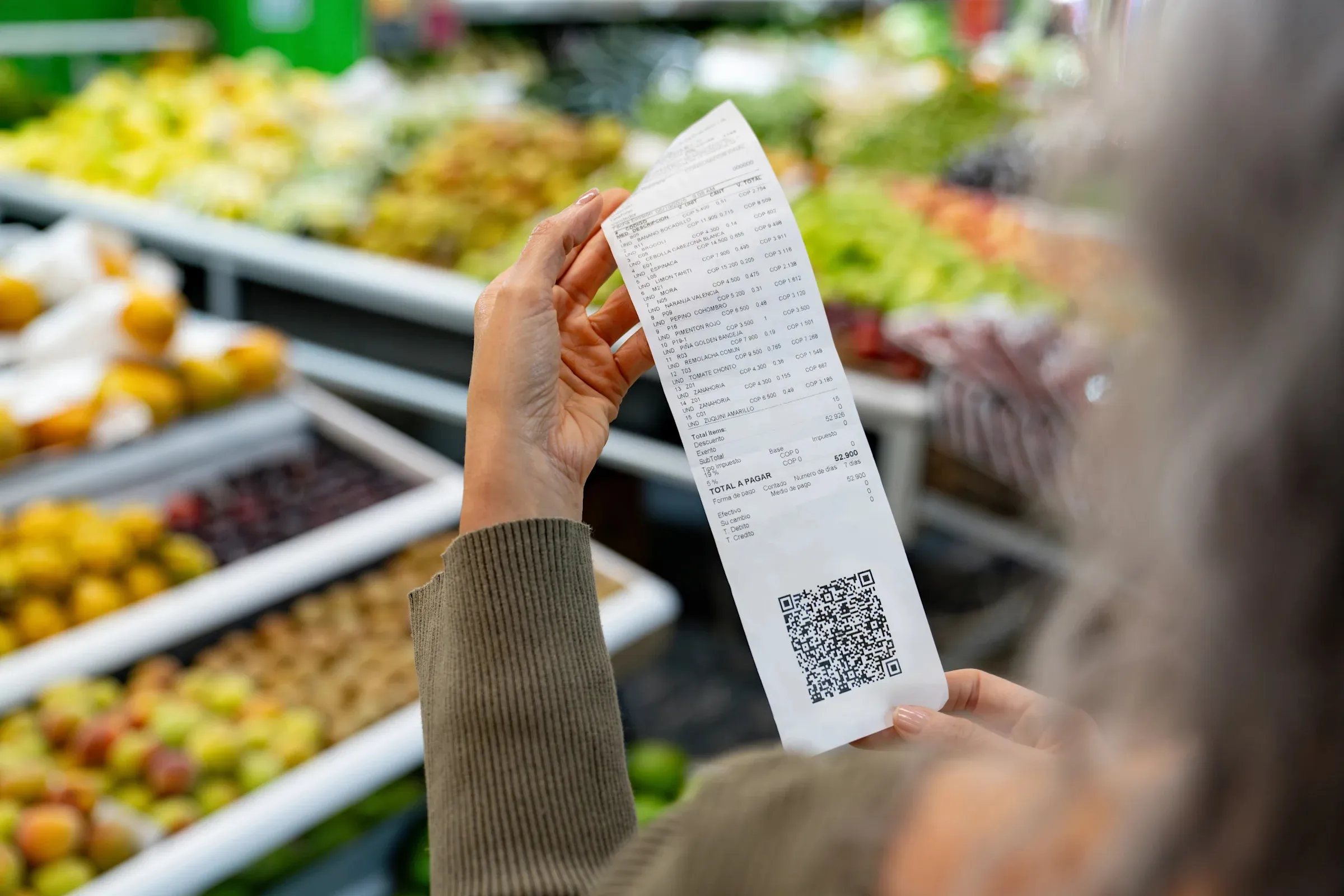
Grocery shopping has quietly become one of the largest monthly expenses for many American families. Data from the U.S. Bureau of Labor Statistics shows that food prices have climbed by 2.9% over the past year. With groceries taking up more of household budgets, people are actively seeking strategies to save money.
On Reddit, a user recently asked for tips on reducing grocery bills, sparking a lively discussion with practical advice. The original post requested personal rules that have successfully helped people spend less, with examples like pantry-first week, skip the snack aisle, buy once, cook twice, and no delivery on weekdays. Contributors shared specific habits that kept their spending in check.
Online Shopping to Avoid Impulse Purchases
One of the most popular suggestions was ordering groceries online. A Redditor shared: Online grocery orders save us money because we stick to meal plans without wandering aisles. Pickup is free at most stores. Ordering online limits impulse purchases, shows the total cost before checkout, and reduces the temptation to add unnecessary items. Although delivery fees exist, they are often less than the cost of extra trips to the store.
Another commenter emphasized pickup for consistency: I only do grocery shopping via pickup now. It keeps me on track with my list and lets me take advantage of sales, though I cant pick my own produce. Others mentioned postponing trips until essentials truly run out, checking whats about to spoil, and creatively using pantry staples to stretch meals.
Maximizing Ingredients and Reducing Waste
Using what is already available in the fridge or pantry is a common money-saving tactic. Leftover vegetables can become soup, small amounts of pasta can be turned into a quick dinner, and mixed grains can create side dishes without extra purchases. This approach not only saves money but also reduces food waste.
Price Comparisons and Smart Shopping
Comparing unit prices is another widely recommended method. One user explained, Check products by price per kilogram or ounce. Packages may appear cheaper due to marketing, but the unit price often reveals the best deal. Buying larger quantities can be economical if used before expiration.
Cutting Out Snacks and Sugary Drinks
Limiting items like soda, chips, and candy can noticeably reduce grocery bills. Some users reported switching to water and preparing occasional desserts at home, which lowered their expenses while still satisfying cravings.
Meal Planning and Reusing Leftovers
Planning meals helps avoid unnecessary purchases and waste. Reusing ingredients in different meals, like cooking chicken once and repurposing leftovers for sandwiches, is a common practice. Many users also track store markdowns on meat or bakery items to plan shopping trips effectively.
Healthy Habits That Save Money
Some contributors focused on health-conscious approaches that also save money, such as reducing ultra-processed foods, measuring portions, and tracking calories. Using plant-based or staple sides to stretch meals lowers costs while maintaining balanced nutrition.
Bulk Cooking and Freezing Meals
Freezing prepared meals is another effective method. Cook in bulk and freeze meals like chickpea masala or veggie chili. This keeps you out of stores and saves money, one user shared. It ensures ready-to-eat meals on busy days and prevents last-minute grocery runs.
Loyalty Programs and Price Matching
Switching stores, following weekly flyers, joining loyalty programs, and taking advantage of price matching helps stretch budgets. However, this strategy only works if purchased items are used efficiently to avoid waste.
Using a Shopping List
Maintaining a strict shopping list is key. No more, no less. Its easy to overspend without a list, one commenter advised. Updating a list throughout the week helps track essentials and keeps spending within budget.
Additional Money-Saving Rules
- Carry a basket instead of a cart to limit unnecessary purchases.
- Avoid shopping when hungry to prevent impulse buys.
- Buy generic brands, which often match the quality of name brands at lower prices.
- Pay with cash to stick to a weekly grocery budget.
- Choose seasonal produce for lower costs and better flavor.
Author: Sophia Brooks
Share

'Clue' TV Show in the Works at Peacock with Dana Fox
6 seconds ago 2 min read BUSINESS

San Francisco files lawsuit against Kraft and Coca-Cola for health crisis
1 minutes ago 3 min read BUSINESS

Theater to be sold after failed rescue attempts
3 minutes ago 1 min read BUSINESS

Conservatives to fund defense of schools challenging Maine's transgender policies
4 minutes ago 3 min read BUSINESS

150% extra council tax for empty homes
4 minutes ago 2 min read BUSINESS

Milan prohibits self-check-in key boxes for short term rentals from 2026 onwards
5 minutes ago 3 min read BUSINESS

Congressional watchdog initiates investigation into Trump's housing finance chief Bill Pulte
5 minutes ago 2 min read BUSINESS

The journey of 'Chess' from cult favorite to Broadway success with a winning score
6 minutes ago 2 min read BUSINESS

Gender Differences in Problem-Solving Abilities Lead to Varied Long-Term Results
7 minutes ago 3 min read BUSINESS

2025's Vocabulary of the Year Reveals a Year of Disappointment with Technology
8 minutes ago 3 min read BUSINESS