

Women wear fake mustaches in LinkedIn to protest against 'gender bias'
- Last update: 2 days ago
- 3 min read
- 23 Views
- BUSINESS
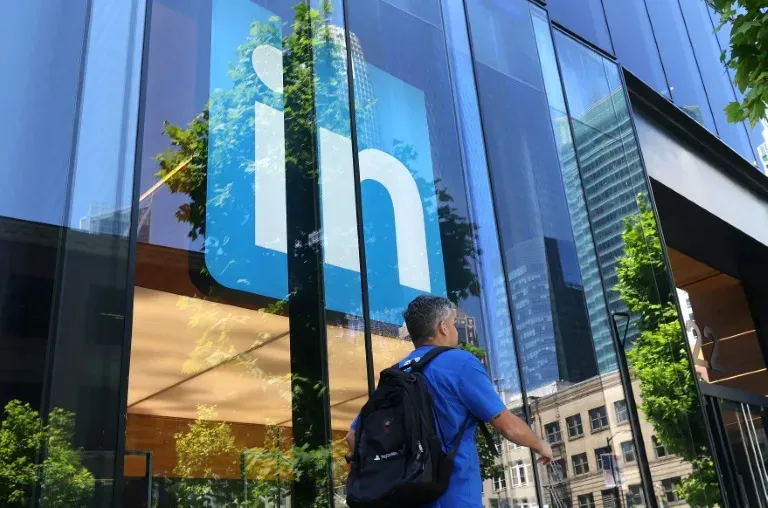
A growing number of female LinkedIn users have been experimenting with presenting themselves as men, including changing their gender settings and adding fake mustaches in photos, in a bid to challenge what they perceive as bias in the platform's algorithm.
Last month, several women reported that adopting a male identity significantly increased their visibility on the professional networking site. The trend quickly gained momentum, with users changing namessuch as Simone to Simonswitching pronouns to he/him, and even employing AI to rewrite posts using more assertive, traditionally masculine language to craft an alpha persona. Some even added humorous touches, like stick-on mustaches in their profile pictures.
Many participants reported dramatic rises in engagement, with previously quiet comment sections becoming lively. London-based entrepreneur Jo Dalton shared that updating her pronouns unexpectedly boosted her reach by 244 percent. Here I am, in a stick-on moustache, purely for science, to see if the algorithm treats me differently as a man, she wrote.
When a female AFP reporter adjusted her LinkedIn profile to male, analytics indicated a noticeable increase in post reach compared to the previous week. Overall, these modified profiles generated thousands more impressions than before.
Malin Frithiofsson, CEO of Swedens Daya Ventures, commented that the experiment highlights persistent gendered discrepancies in professional networking. Women are changing their LinkedIn gender, updating names and profile pictures, and even asking AI to rewrite bios as if authored by men, she said.
LinkedIn has denied allegations of inherent sexism in its system. A company spokesperson told AFP, Our algorithms do not use gender as a ranking signal, and changing gender on your profile does not affect how your content appears in search or feed.
Nevertheless, women experiencing increased engagement are now calling for more transparency regarding how LinkedIns largely opaque algorithms determine which posts and profiles gain visibility. Frithiofsson added, I dont believe theres a line of code that says if female, promote less, but bias can arise through data inputs, reinforcement loops, and cultural norms about what a professional voice should sound like.
LinkedIns Sakshi Jain explained in a blog post that the platform considers hundreds of signals, such as network connections and activity levels, when deciding post visibility. Rising content volumes also contribute to greater competition for attention.
Some users remain skeptical, noting that increased visibility can directly impact career opportunities and income. UK journalist Rosie Taylor reported that her profiles engagement surged after presenting as male for one week, resulting in a 161 percent jump in unique visitors to her newsletter and an 86 percent rise in new subscriptions via LinkedIn. Imagine how much more successful I might have been if the algorithm assumed I was a man from the beginning, Taylor reflected.
Author: Sophia Brooks
Share

Insecure database reveals 1 million pornographic AI images and deepfakes
10 minutes ago 2 min read BUSINESS
Experts refute false statement from popular social media account: 'Incredible'
11 minutes ago 2 min read BUSINESS
New York Times files lawsuit against Perplexity for AI copyright infringement
13 minutes ago 2 min read BUSINESS

Have British spies learned from The Skripal poisonings?
16 minutes ago 3 min read BUSINESS

Chinese Spyware Now Disguised as Your Trusted Browser Extensions
20 minutes ago 2 min read BUSINESS
Nuclear Startup Reveals Kansas Location for Mile-Deep Reactor Pilot
21 minutes ago 4 min read BUSINESS

Surprising Reality: Craig Piligian to Depart from Lionsgate
23 minutes ago 3 min read BUSINESS

Backlash ignited by Netflix's acquisition of Warner Bros.
23 minutes ago 2 min read BUSINESS

Generous donations help 88-year-old veteran retire with over $1.5 million
24 minutes ago 2 min read BUSINESS

BLM offering discounted Christmas trees and firewood in western states
25 minutes ago 2 min read BUSINESS