

Apologies, Trump is not yet a powerless leader
- Last update: 3 days ago
- 3 min read
- 35 Views
- POLITICS
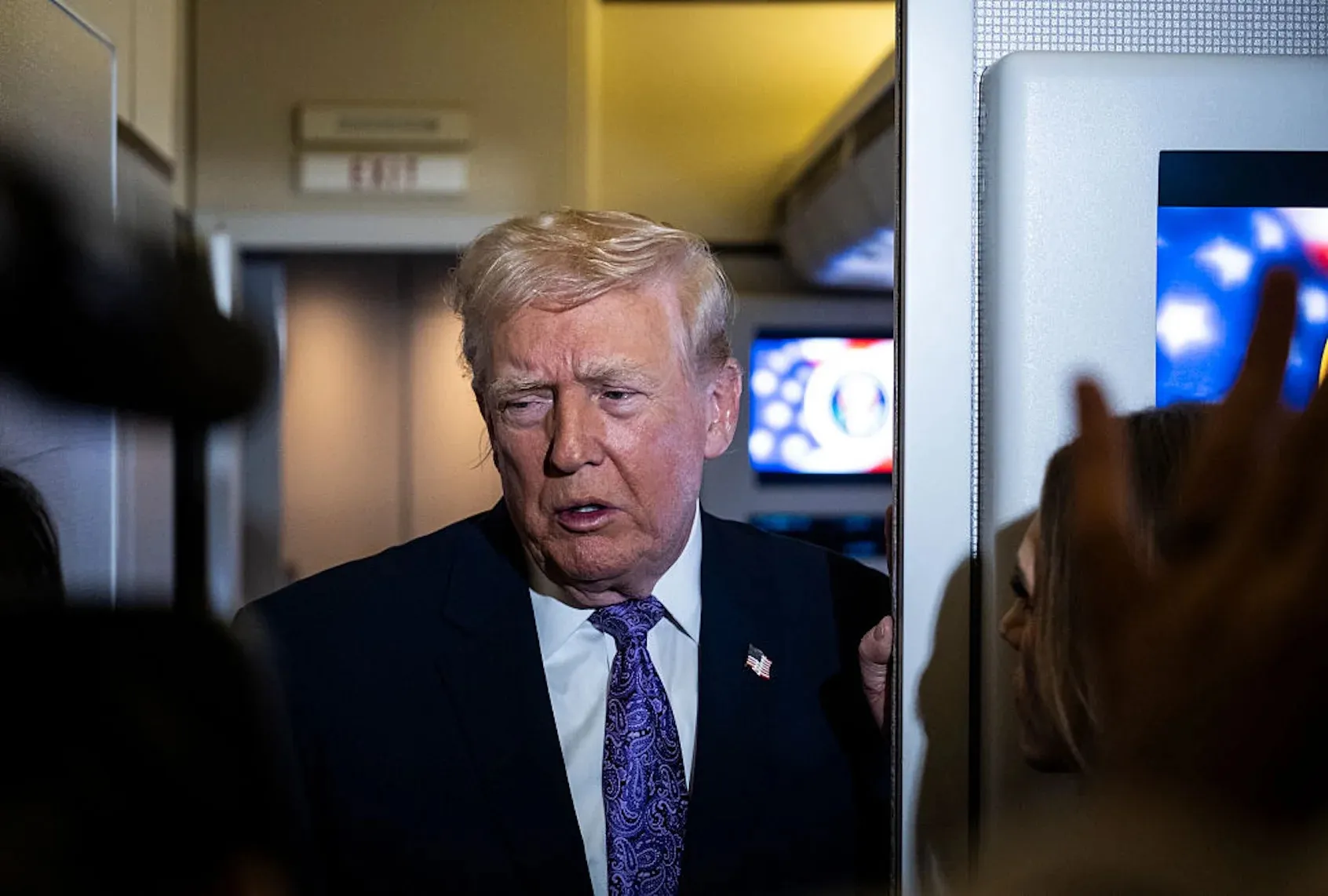
Recent weeks have posed significant challenges for Donald Trump and the Republican Party, much to the delight of Democrats. The party faced major losses in last months elections, while the presidents approval ratings have plummeted. According to the latest Gallup poll, only 36% of Americans approve of Trumps performance, a five-point drop since October, marking a historic low for his second term. Conversely, 60% disapprove. Trump trails behind public opinion on nearly every major issue, including the economy, inflation, foreign policy on Ukraine, the Middle East, Venezuela, immigration, and threats of military intervention in Democratic-led cities. His previous low point was at the end of his first term, around the January 6, 2021 Capitol attack, when his approval stood at 34%.
If current trends continue, Democrats could regain control of both the House and Senate in the 2026 midterms. Meanwhile, the Epstein scandal has intensified, as congressional Republicans voted to release thousands of emails and documents connected to convicted sex trafficker Jeffrey Epstein, despite Trumps initial opposition. This move highlights a growing pattern of congressional Republicans breaking with Trump publicly. As Bill Kristol noted on The Bulwark podcast, Fear of Trump is beginning to turn into loathing.
Former super-MAGA ally Rep. Marjorie Taylor Greene of Georgia recently announced her retirement from Congress, fueling speculation that other Republicans may also step back to distance themselves from Trump. Analysts argue that these developments have led many to label Trump a lame duck one year into his second term. Heather Cox Richardson observed cracks within the MAGA coalition, while Robert Kuttner called the shift fundamental.
Yet, caution is warranted. Trumps challenges do not necessarily equate to irrelevance. The traditional definition of a lame duck describes a weakened leader nearing the end of their tenure, yet Trump is likely to remain in office for at least three more years. Labeling him a lame duck overlooks the ongoing threat to democracy posed by Trump and the contemporary Republican Party, which continues to undermine democratic norms and the will of the electorate.
Even political scientists caution against declaring Trump powerless prematurely. Measures like legislative achievements, executive influence, and voting patterns suggest that more data is needed before determining his influence. Trump has yet to retaliate against Republican officials he views as disloyal, but historical patterns indicate that once he acts, party members will quickly comply. Current divisions within the GOP largely reflect personal and power disputes, rather than ideological differences about the broader agenda, which remains authoritarian in nature.
Commentators such as Rick Wilson warn that Trump is not pursuing a legacy of dignity but rather chaos and destruction to maintain power. His actions continue to wield significant influence, challenging the notion of a declining presidency. Before assuming Trump is a lame duck, it is important to assess the impact of his policies on Americans lives and the damage inflicted over the past year. His power, influence, and danger remain substantial.
In summary, dismissing Trump as a lame duck is premature. Recognizing the ongoing threats posed by Trump and the MAGA movement is crucial for understanding the trajectory of American politics and planning accordingly. The era of Trumps influence, sometimes referred to as the Trumpocene, is far from over.
Author: Sophia Brooks
Share
Amid conflict and disagreements, Mike Johnson's political future is questioned again
31 seconds ago 2 min read POLITICS

Lawmakers briefed on alarming double-tap strike
1 minutes ago 3 min read POLITICS

Innocent Afghans Face Broad Punishment After Deadly Attack
3 minutes ago 3 min read POLITICS

Implications for Maine from Superfund cuts and delays in PFAS cleanup
4 minutes ago 3 min read POLITICS

Patel accuses Biden of withholding evidence in January 6 pipe bomb case
5 minutes ago 2 min read POLITICS
Pete Hegseth Proudly Talks About Bombing Another Boat Amid Growing Outrage
7 minutes ago 2 min read POLITICS

Exploring the political factors behind Netanyahu's pardon campaign
10 minutes ago 4 min read POLITICS
Opinion - Trump's quotes that are perfect for Democratic midterm election ads
12 minutes ago 2 min read POLITICS

Nigeria affected by repercussions from the US
13 minutes ago 2 min read POLITICS
Trump Engages New Architect for White House Ballroom Following Disagreements About Its Design
14 minutes ago 2 min read POLITICS