

Chances decreasing for renewal of health care subsidies, putting millions at risk of premium spikes
- Last update: 2 days ago
- 3 min read
- 13 Views
- POLITICS
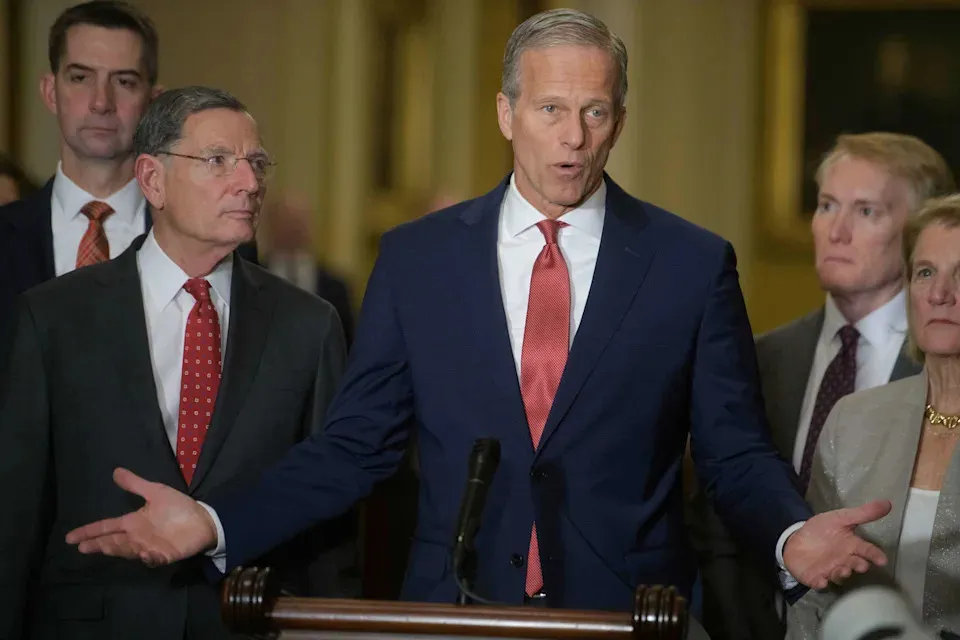
WASHINGTON Prospects for prolonging health care subsidies in Congress are fading as both Republicans and Democrats step back from bipartisan negotiations, raising the likelihood that millions of Americans could face significant premium increases starting January 1.
Earlier this month, Democrats agreed to reopen the government in exchange for a December vote on health care, hoping to collaborate with Republicans on extending the Affordable Care Act (ACA) tax credits established during the COVID-19 pandemic, which help many Americans afford health coverage. Instead, lawmakers from both parties have largely confined discussions to internal meetings while publicly reiterating familiar partisan disputes over the ACA.
I dont think at this point we have a clear path forward, I dont think the Democrats have a clear path forward, Senate Majority Leader John Thune said Tuesday after Republicans convened to consider various proposals for revising the law. The stalemate suggests that next weeks Senate vote may become a symbolic party-line exercise with little chance of actual approval.
Under the shutdown-ending agreement, Democrats control which legislation will reach the Senate floor. Senate Democratic Leader Chuck Schumer has indicated a preference for a straightforward extension of the subsidies, without any changes or new limits, which Republicans have already opposed. So far the Republicans are in total disarray and have no plan, Schumer said. We have a plan.
Democrats maintain they are open to negotiations, including potential adjustments to subsidy limits. However, two main obstacles remain: the lack of engagement from former President Donald Trump and Republicans insistence that abortion funding be included in the discussion. Our Republican colleagues arent going to engage with us unless Trump weighs in, said Senator Peter Welch, D-Vt. Thats the paralysis here.
Independent Senator Angus King of Maine, who caucuses with the Democrats and participated in the shutdown-ending deal, acknowledged some informal bipartisan discussions but said talks faltered as Republicans demanded stricter abortion restrictions in ACA plans. They have set up a red line that is also a red line for the Democrats, King noted. So theyre going to own these increases.
Senator Josh Hawley of Missouri, who supports extending the tax credits, emphasized that the abortion issue should not be a deal-killer, noting that federal funding for abortions is already prohibited. Democrats argue that existing law provides adequate guidelines, with some states limiting abortion coverage in ACA marketplace plans and others allowing or requiring coverage not funded federally.
Beyond abortion, many Republicans continue to advocate for major changes or elimination of the ACA, though there is little agreement on how to proceed. Senators have proposed several options, including health savings account models promoted by Senators Bill Cassidy and Rick Scott, which have gained informal support from Trump but lack detailed plans. Other GOP proposals suggest extending subsidies with new income restrictions. Thune remarked, We will see where the Republicans come down, but that conversation continues.
In the House, lawmakers are exploring multiple options as well, yet no plan appears ready to secure bipartisan approval before years end. Health care is a very complicated issue, said House Speaker Mike Johnson, R-La., adding that Republicans are still pulling ideas together.
Progress largely depends on Trumps support, which has not been formally given. Last week, the White House circulated a draft proposal that would extend subsidies with income caps and partial premium payments, while allowing contributions to health savings accounts for lower-tier plans. When asked about the proposal, Trump indicated hesitancy to extend the subsidies at all but acknowledged that some extension might be necessary.
Author: Sophia Brooks
Share
Amid conflict and disagreements, Mike Johnson's political future is questioned again
36 seconds ago 2 min read POLITICS

Lawmakers briefed on alarming double-tap strike
1 minutes ago 3 min read POLITICS

Innocent Afghans Face Broad Punishment After Deadly Attack
3 minutes ago 3 min read POLITICS

Implications for Maine from Superfund cuts and delays in PFAS cleanup
4 minutes ago 3 min read POLITICS

Patel accuses Biden of withholding evidence in January 6 pipe bomb case
5 minutes ago 2 min read POLITICS

Pete Hegseth Proudly Talks About Bombing Another Boat Amid Growing Outrage
7 minutes ago 2 min read POLITICS

Exploring the political factors behind Netanyahu's pardon campaign
10 minutes ago 4 min read POLITICS
Opinion - Trump's quotes that are perfect for Democratic midterm election ads
12 minutes ago 2 min read POLITICS

Nigeria affected by repercussions from the US
13 minutes ago 2 min read POLITICS

Trump Engages New Architect for White House Ballroom Following Disagreements About Its Design
14 minutes ago 2 min read POLITICS