

Grand jury refuses to re-indict Letitia James following dismissal of initial case
- Last update: 5 hours ago
- 3 min read
- 690 Views
- POLITICS
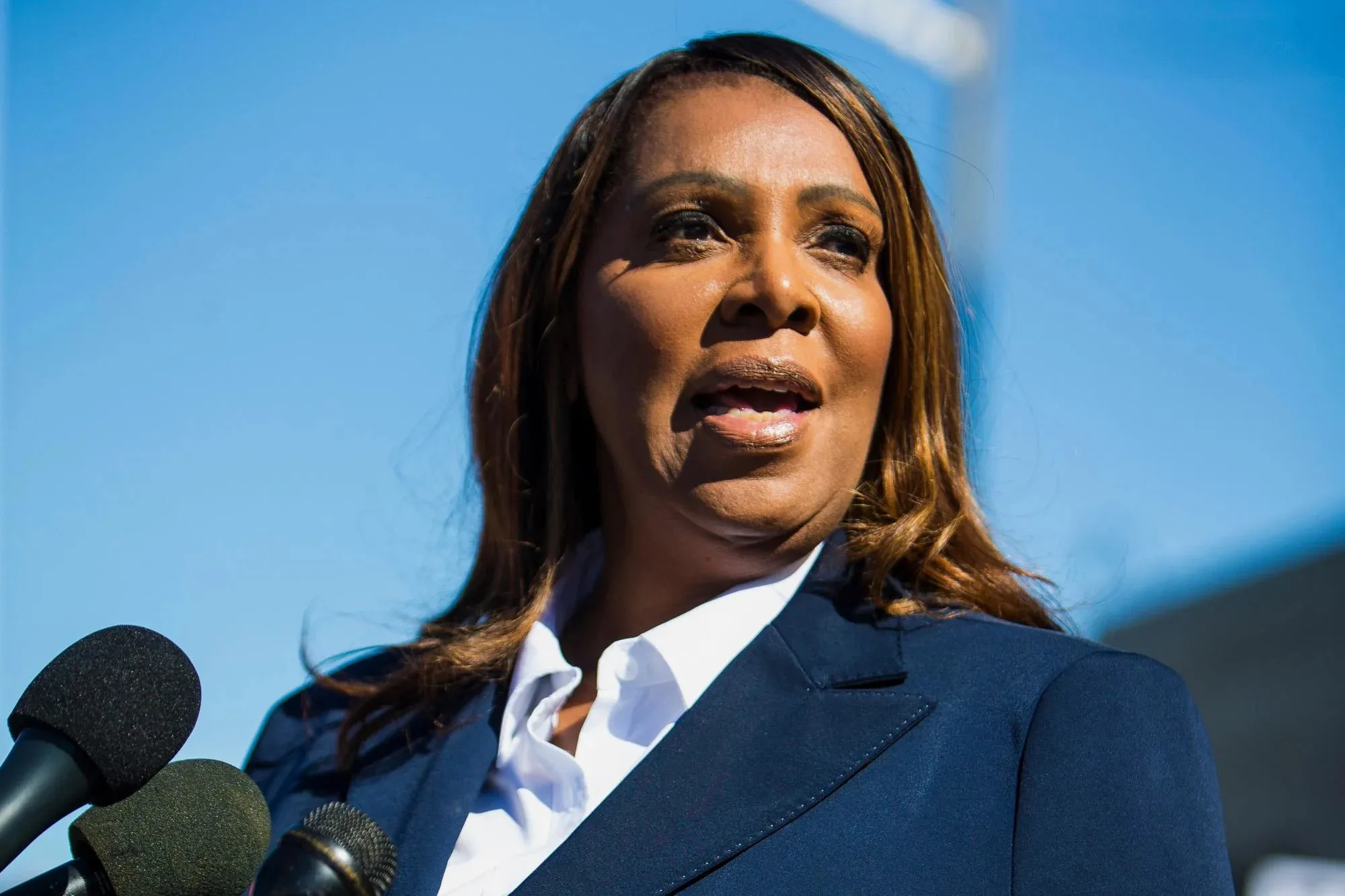
A grand jury declined to issue charges against New York Attorney General Letitia James on Thursday, arriving at the decision less than two weeks after a judge determined that an earlier federal mortgage fraud case against her was invalid.
The renewed presentation of the case by the justice department was widely viewed as an attempt to continue pursuing prosecution against James, a longstanding political adversary of Donald Trump following her successful civil fraud action against him in New York.
James was originally accused in October of bank fraud and providing false information to a financial institution. The allegations stemmed from a 2020 mortgage on a property in Norfolk, Virginia. Prosecutors asserted that she secured a more advantageous loan rate by classifying the residence as a second home, though she later rented it out. The difference reportedly reduced her loan costs by approximately $18,933 over its full term.
The property is occupied by Jamess niece, who earlier this year told a federal grand jury that she pays no rent.
James has maintained that she acted lawfully and argued that the prosecutor responsible for the case, Lindsey Halligan, was improperly appointed as the US attorney for the Eastern District of Virginia. Halligan, known for ties to Trump and a past role in the White House, personally oversaw the initial presentation that resulted in the indictment.
Halligan assumed the post in late September after Erik Siebert departed, following his determination that there was insufficient evidence to pursue charges against former FBI director James Comey. Comey, who faced related charges, also claimed that Halligans installation violated legal requirements.
Federal judge Cameron McGowan Currie ruled last month that Halligan had no legal authority to occupy the position. While US attorneys need Senate confirmation, they may serve in an acting capacity for 120 days. Once that limit is exceeded, federal judges in the district must determine who continues in the role. Sieberts tenure had already surpassed the allotted time, and the judges agreed to extend him. Currie concluded that a subsequent unilateral appointment by Trump was not permissible.
Beyond the appointment controversy, legal analysts noted that the original case appeared weak. The amount James allegedly saved was considered too minor to justify criminal prosecution, and the second-home agreement she signed did not prohibit future rental use. Documentation with her mortgage broker also reflected that she did not intend to occupy the home as her primary residence.
Several career prosecutors involved in the matter who concluded that the evidence was insufficient have since been dismissed.
Author: Maya Henderson
Share

Top Admiral Acknowledges that Survivors of Narco-Boat Strike Were Killed and Unable to Call for Help: CNN
5 minutes ago 2 min read POLITICS

GOP lawmakers criticize MTG for missing votes following her resignation from Congress
10 minutes ago 2 min read POLITICS

Are Americans in favor of Trump's boat strikes? It's complex.
15 minutes ago 3 min read POLITICS

Trump Inserts Bizarre Election Falsehood into Christmas Tree Celebration
17 minutes ago 2 min read POLITICS

Trump to embark on campaign against the affordability 'hoax'
20 minutes ago 2 min read POLITICS

Protesters Condemn Targeting of Somali Community by Anti-Trump Supporters
20 minutes ago 3 min read POLITICS

Live broadcast: Trump oversees signing of peace deal between Rwanda and Congo
20 minutes ago 1 min read POLITICS
Trump dismisses White House ballroom architect amid increasing scrutiny
22 minutes ago 3 min read POLITICS

Melania Trump embraces the Christmas spirit as construction weariness fades
25 minutes ago 2 min read POLITICS

Leticia James' attempt to reindict fails; Fresh boat strike adds to Capitol tensions
26 minutes ago 3 min read POLITICS