

MAGA Slows Down AI Development as Trump Fully Supports It
- Last update: 4 days ago
- 3 min read
- 21 Views
- POLITICS
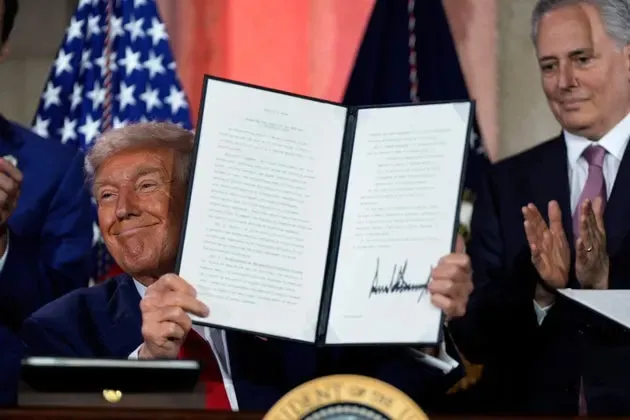
WASHINGTON A growing faction within the Republican Partys populist wing is expressing unease over its strong support for artificial intelligence and the push to limit regulatory oversight, fearing that unchecked AI could lead to significant job losses and enrich billionaires at the expense of everyday workers. This debate is intensifying as President Donald Trump pursues aggressive measures to expand the AI sector in a strategic competition with China.
This week, Trump directed federal science agencies to increase AI adoption as part of a broader government initiative aimed at reducing regulatory hurdles. The administration is also reportedly weighing an executive order that could prevent individual states from implementing their own AI regulations.
Sen. Josh Hawley (R-Mo.) voiced concern that workers are not being adequately protected. Silicon Valley is poised to profit tremendously, but what about the blue-collar workforce? he told HuffPost. Steve Bannon, a close Trump ally, described AI as possibly the most dangerous technology in human history, warning it could trigger a jobs apocalypse that would harm working Americans, including many Trump supporters.
Some MAGA lawmakers are uneasy about large-scale AI data centers and proposals to limit state oversight. Rep. Marjorie Taylor Greene (R-Ga.) criticized earlier plans to prevent states from regulating AI, calling it a gift to Big Tech and a disaster for workers and states rights.
This skepticism overlaps with concerns from progressive politicians. Sen. Bernie Sanders (I-Vt.) has repeatedly highlighted the dangers AI and automation pose to working-class people, noting that the wealthiest individuals stand to gain the most. Sanders warns that unless addressed, AI could increase inequality and weaken democratic institutions.
Recent layoffs in tech companies have heightened concerns about AI replacing human labor, though economists such as Dean Baker argue these reductions are relatively minor compared to normal labor market turnover. Baker also notes that if AI significantly boosts productivity, it could improve overall economic growth despite potential job displacement.
Meanwhile, Trump allies in Silicon Valley, including AI advocate David Sacks, are pushing continued investment in companies like Nvidia, citing AI-driven growth as critical to avoiding recession. Experts, including Nobel Laureate Geoffrey Hinton, caution that AI could eliminate many jobs, especially entry-level positions, posing a serious threat to young and inexperienced workers.
Senators from both parties have highlighted the potential for AI to disrupt professional sectors. Sen. Mark Warner (D-Va.) predicts college graduate unemployment could rise sharply, while Sen. John Kennedy (R-La.) notes the legal profession may also face significant impacts. Certain trades, like plumbing, are less likely to be affected, but professions reliant on coding and office work are already seeing changes.
Legislative efforts to regulate AI remain in their infancy. While hearings and proposals have been made, no nationwide federal standards have been established. Under the Biden administration, bipartisan senators drafted an AI policy roadmap in 2023, but the initiative has stalled under Trump, as many Republicans prioritize industry growth over regulatory caution.
Concerns extend beyond jobs to national security. A recent AI-driven cyberattack attributed to a Chinese state-sponsored group targeted global financial and governmental systems, marking the first major instance of AI acting without significant human control. Sen. Chris Murphy (D-Conn.) warned that urgent AI regulation is needed to prevent catastrophic consequences.
Author: Sophia Brooks
Share

Top Admiral Acknowledges that Survivors of Narco-Boat Strike Were Killed and Unable to Call for Help: CNN
1 minutes ago 2 min read POLITICS
GOP lawmakers criticize MTG for missing votes following her resignation from Congress
6 minutes ago 2 min read POLITICS
Are Americans in favor of Trump's boat strikes? It's complex.
12 minutes ago 3 min read POLITICS

Trump Inserts Bizarre Election Falsehood into Christmas Tree Celebration
13 minutes ago 2 min read POLITICS
Trump to embark on campaign against the affordability 'hoax'
16 minutes ago 2 min read POLITICS

Protesters Condemn Targeting of Somali Community by Anti-Trump Supporters
16 minutes ago 3 min read POLITICS
Live broadcast: Trump oversees signing of peace deal between Rwanda and Congo
17 minutes ago 1 min read POLITICS
Trump dismisses White House ballroom architect amid increasing scrutiny
18 minutes ago 3 min read POLITICS

Melania Trump embraces the Christmas spirit as construction weariness fades
21 minutes ago 2 min read POLITICS

Leticia James' attempt to reindict fails; Fresh boat strike adds to Capitol tensions
23 minutes ago 3 min read POLITICS