

Members of the Freedom Caucus delay House floor action on the SCORE Act
- Last update: 2 days ago
- 2 min read
- 13 Views
- POLITICS
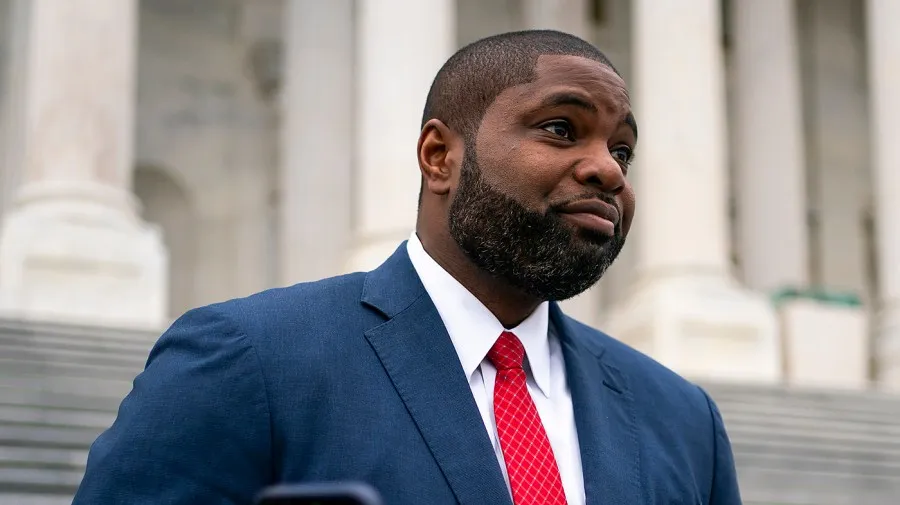
On Tuesday, a small group within the House Freedom Caucus delayed proceedings in the House to protest legislation that governs the compensation college athletes can receive for their name, image, and likeness. Republican Representatives Byron Donalds (Fla.), Scott Perry (Pa.), and Chip Roy (R-Texas) joined all Democrats in opposing a procedural rule that would allow votes on the Student Compensation and Opportunity Through Rights and Endorsements (SCORE) Act and other measures.
The opposition caused a temporary deadlock at 207-209 as House Majority Leader Steve Scalise (R-La.) conferred with Roy, House Freedom Caucus Chair Andy Harris (R-Md.), Rep. Andrew Clyde (R-Ga.) who had not yet voted and several other members and staff. Harris and Clyde ultimately voted in favor, while leaders awaited an absent Republican to secure the rule's passage. Once Rep. Michael Rulli (R-Ohio) arrived, the vote passed 210-209, turning what was expected to be a five-minute vote into an hour-long process. Had the measure failed, it would have disrupted leaderships schedule for the week.
Scalise acknowledged the delays as part of governing with a narrow GOP majority but expressed confidence that a bipartisan coalition could support the bill. He noted that some members have concerns about the NCAA and federal involvement, but emphasized that the legislation would protect student-athletes and prevent institutions, conferences, or organizations like the NCAA from barring them from signing name, image, and likeness (NIL) agreements.
Roy had previously signaled his opposition to the SCORE Act during a House Rules Committee hearing on Monday. He criticized federal intervention, calling the current system chaotic, particularly citing the uneven composition of athletic conferences. Roy described the legislation as primarily a financial maneuver rather than a student-focused policy.
Scalise said Roys stance quickly resonated with other members. Frustration also stemmed from how the bill was brought to the floor and the limited opportunity for amendments, according to a House Republican. Donalds echoed this sentiment, questioning the need to consolidate the process and prioritize NCAA interests over lawmakers ability to amend the legislation.
Author: Sophia Brooks
Share
Amid conflict and disagreements, Mike Johnson's political future is questioned again
32 seconds ago 2 min read POLITICS

Lawmakers briefed on alarming double-tap strike
1 minutes ago 3 min read POLITICS

Innocent Afghans Face Broad Punishment After Deadly Attack
3 minutes ago 3 min read POLITICS

Implications for Maine from Superfund cuts and delays in PFAS cleanup
4 minutes ago 3 min read POLITICS

Patel accuses Biden of withholding evidence in January 6 pipe bomb case
5 minutes ago 2 min read POLITICS
Pete Hegseth Proudly Talks About Bombing Another Boat Amid Growing Outrage
7 minutes ago 2 min read POLITICS

Exploring the political factors behind Netanyahu's pardon campaign
10 minutes ago 4 min read POLITICS

Opinion - Trump's quotes that are perfect for Democratic midterm election ads
12 minutes ago 2 min read POLITICS

Nigeria affected by repercussions from the US
13 minutes ago 2 min read POLITICS

Trump Engages New Architect for White House Ballroom Following Disagreements About Its Design
14 minutes ago 2 min read POLITICS