

Moving special education out of the Education Department: The challenge ahead
- Last update: 4 days ago
- 4 min read
- 11 Views
- POLITICS
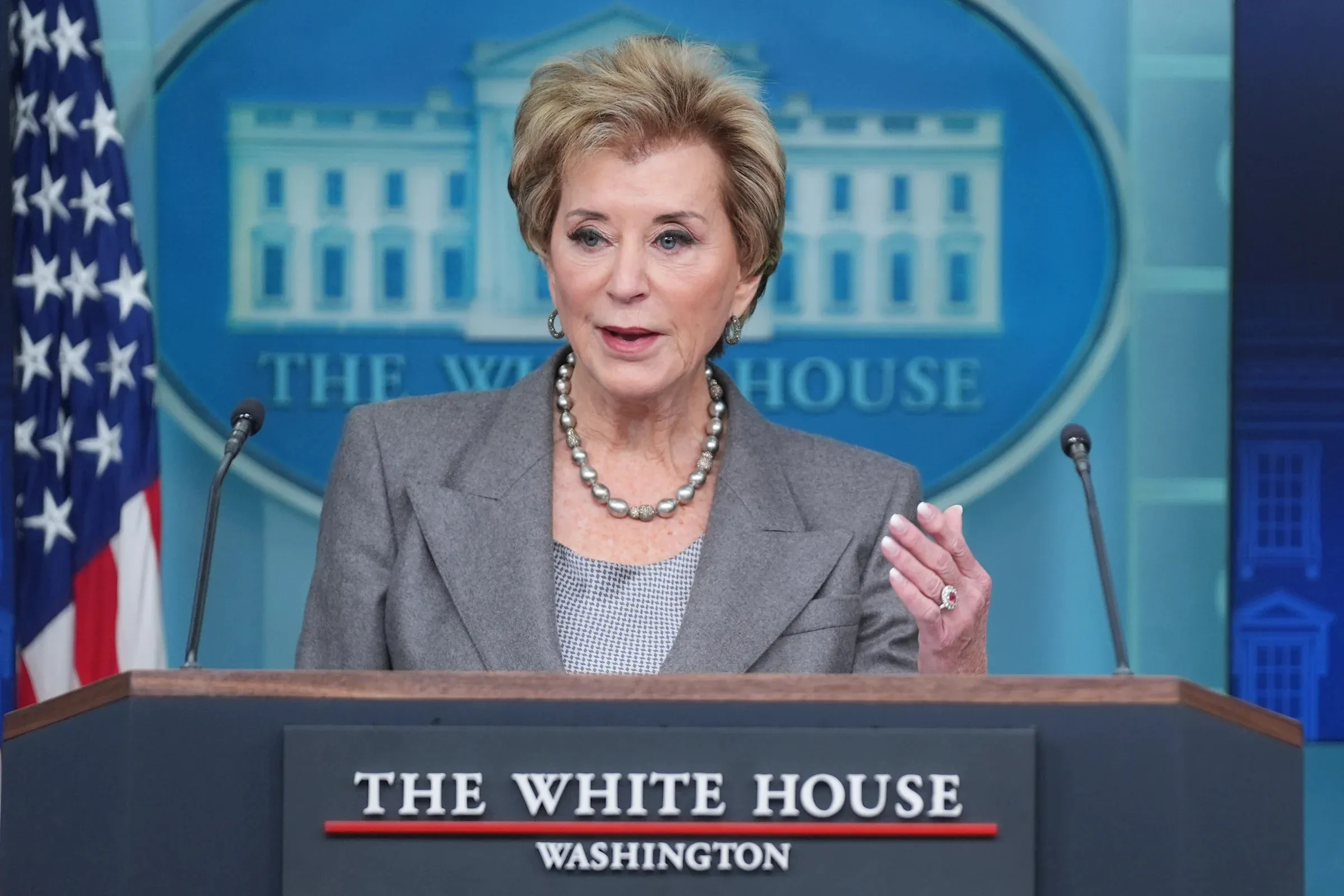
Advocates for children with disabilities, along with some Republican lawmakers, are urging the federal government to safeguard special education programs as the Trump administration proceeds with plans to restructure the Department of Education. These programs, funded at roughly $15 billion annually, help students with disabilities and ensure states comply with federal educational standards, while also investigating potential discrimination complaints.
Education Secretary Linda McMahon has already initiated plans to transfer the departments elementary, technical, and international programs to other agencies. Although special education programs, mandated by a 50-year-old federal law, have not yet been reassigned, officials have not ruled out the possibility in the future. Advocates warn that such a move could weaken the federal governments ability to guarantee that children with disabilities receive the education they are legally entitled to.
While challenges remain, significant progress has been made over the last 50 years, and its critical we dont reverse that, said Stephanie Smith Lee, former director of the Office of Special Education Programs under President George W. Bush.
Concerns persist that oversight responsibilities could be shifted to agencies unprepared to serve vulnerable student populations. Simply redirecting federal funds to states could exacerbate disparities in access to essential services, such as speech therapy, tailored to the needs of students with disabilities.
Even Republicans supporting President Trumps goal to return education to the states stress the importance of maintaining federal commitments to children with disabilities. Senator Shelley Moore Capito (R-W.Va.), the top Republican overseeing Education Department funding, confirmed she sought assurances from McMahon during the government shutdown that these students would continue to receive support despite recent federal layoffs. She assured me that funding will continue and oversight capabilities will remain intact, Capito stated, noting McMahon believes the special education office can function with fewer staff.
Representative Kevin Kiley (R-Calif.), chair of the House Early Childhood, Elementary, and Secondary Education Subcommittee, said he is evaluating whether department restructuring plans will sustain program support effectively. Its vital the Department of Education continues providing critical services, from charter school grants to support for students with special needs, Kiley explained.
McMahon maintains that funding under the Individuals with Disabilities Education Act (IDEA) will continue to flow and emphasized that previous iterations of the law operated successfully before the creation of the Department of Education. Critics, however, warn that relying heavily on states could widen disparities in access to schools and resources for students with disabilities.
As of June, more than 30 states and territories required assistance to meet IDEA mandates for children ages 3-21, while approximately 20 needed help with early intervention programs for infants and toddlers. Some jurisdictions may face federal intervention or be required to develop improvement plans, with extreme cases risking loss of funding or referral to the Justice Department.
Katy Neas, former deputy assistant secretary in the Office of Special Education and Rehabilitative Services, noted that collaboration with the department has historically helped states improve compliance. Receiving technical support and working with the department has driven real progress, Neas said. She now serves as CEO of The Arc, a nonprofit supporting people with disabilities.
During the government shutdown, most staff in the Education Departments Office of Special Education and Rehabilitative Services121 of 135 employeesreceived layoff notices. Although a federal judge temporarily blocked these terminations, the long-term status remains uncertain. The recent funding agreement prevents layoffs until the temporary budget measure expires at the end of January.
Even if staff remain in place, states would still be responsible for upholding IDEA requirements, potentially without full support from a special education office moved to another agency with less expertise. Individualized education plans arent disappearing immediately, but this restructuring could erode the system over time, Smith Lee warned.
Separating the special education office from the Office of Civil Rights, which investigates discrimination, and from K-12 offices now managed by the Labor Department, could hinder collaboration. Years of coordination between general and special education offices could be undone, Smith Lee added.
Author: Sophia Brooks
Share

GOP lawmakers assure that Johnson will remain as Speaker despite their frustrations
2 minutes ago 3 min read POLITICS

Top Admiral Acknowledges that Survivors of Narco-Boat Strike Were Killed and Unable to Call for Help: CNN
10 minutes ago 2 min read POLITICS

GOP lawmakers criticize MTG for missing votes following her resignation from Congress
15 minutes ago 2 min read POLITICS

Are Americans in favor of Trump's boat strikes? It's complex.
21 minutes ago 3 min read POLITICS

Trump Inserts Bizarre Election Falsehood into Christmas Tree Celebration
22 minutes ago 2 min read POLITICS

Trump to embark on campaign against the affordability 'hoax'
25 minutes ago 2 min read POLITICS

Protesters Condemn Targeting of Somali Community by Anti-Trump Supporters
25 minutes ago 3 min read POLITICS

Live broadcast: Trump oversees signing of peace deal between Rwanda and Congo
26 minutes ago 1 min read POLITICS

Trump dismisses White House ballroom architect amid increasing scrutiny
27 minutes ago 3 min read POLITICS

Melania Trump embraces the Christmas spirit as construction weariness fades
30 minutes ago 2 min read POLITICS