

Pentagon watchdog finds Hegseth endangered troops by sharing sensitive plans on personal phone
- Last update: 1 hours ago
- 2 min read
- 554 Views
- POLITICS
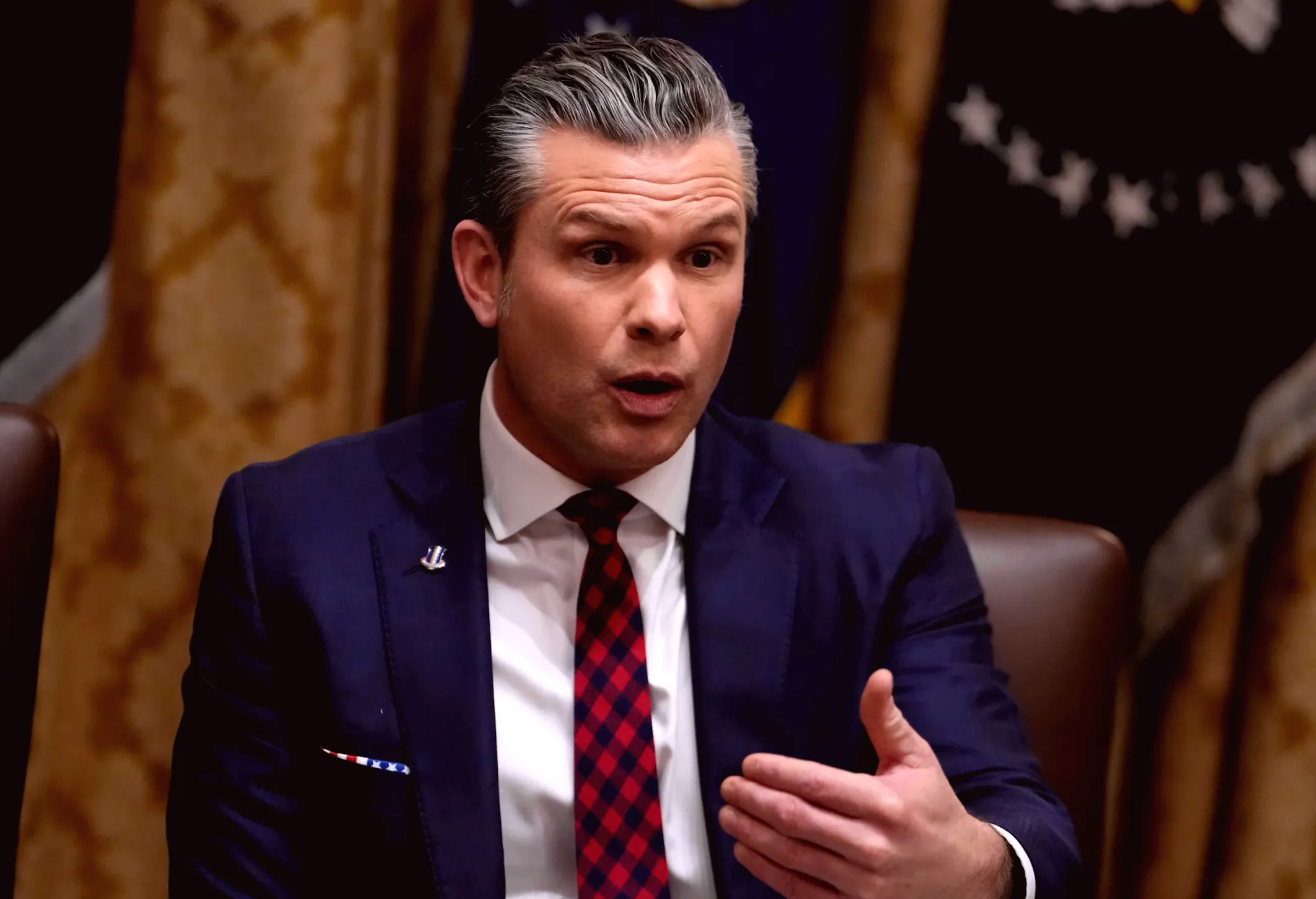
WASHINGTON According to a Pentagon inspector general report released Thursday, Defense Secretary Pete Hegseth jeopardized U.S. troops by distributing sensitive details about an imminent military operation in Yemen using his personal phone. The report also highlighted concerns over the broader use of unauthorized devices and messaging applications within the Defense Department.
The watchdog determined that while Hegseth had the authority to declassify the information shared in a Signal chat, disclosing specifics about the planned strikes on Houthi forces violated internal Pentagon protocols designed to protect service members and operational missions. The report emphasized that the details Hegseth circulated including the number and timing of manned U.S. aircraft strikes approximately two to four hours before execution "posed a threat to operational security that could have compromised U.S. mission success and endangered pilots."
Had this information been intercepted by U.S. adversaries, Houthi forces could have adjusted their positions or defenses to counter the strikes, the report stated.
The incident came to light when journalist Jeffrey Goldberg of The Atlantic was accidentally added to a Signal group by then-national security adviser Mike Waltz. While the report noted Hegseths legal ability to declassify the material, it stressed that the sharing of operational details nonetheless created significant risk to personnel.
Hegseth, a former Fox News host, is also under Congressional scrutiny for a separate incident involving a follow-up strike on a suspected drug-smuggling vessel in the Caribbean, which reportedly resulted in fatalities after he issued a verbal order to "kill everybody."
Responding to the inspector general's findings, Hegseth stated on social media that no classified material was involved and declared the matter resolved. He declined to participate in interviews for the investigation, but submitted a brief written statement asserting that the information shared on Signal was an unclassified summary, devoid of locations, targets, or elements that could endanger troops.
Hegseth claimed that comprehensive operational details were transmitted through secure military channels, and that the Signal messages only reflected visible actions of U.S. forces, which could be observed in the field. Despite this explanation, lawmakers from both parties criticized his actions, arguing that sharing sensitive operational data before strikes could have put pilots at serious risk and noting that lower-ranking personnel would face severe consequences for similar lapses in operational security.
Author: Gavin Porter
Share

Donald Trump Receives New FIFA Peace Prize at World Cup Draw, as Predicted
3 minutes ago 2 min read POLITICS
Pipe bomb suspect claims he was influenced by 2020 election conspiracy theories
4 minutes ago 2 min read POLITICS
'Grow a Backbone!' Trump Border Czar Tom Homan Clashes with Heckler Accusing Him of Being a 'Traitor'
5 minutes ago 2 min read POLITICS

Mamdani announces the end of sweeps of New York City homeless encampments
6 minutes ago 2 min read POLITICS

Federal panel decides to discontinue Hepatitis B vaccinations for newborns
9 minutes ago 3 min read POLITICS

Hegseth comments on recent boat strike: 'We are here to fulfill your wishes'
11 minutes ago 2 min read POLITICS
Trump meets Mexican President Sheinbaum in person for the first time at World Cup draw
12 minutes ago 3 min read POLITICS
US panel votes to stop recommending universal hepatitis B vaccine for newborns
12 minutes ago 3 min read POLITICS
Congress blocks NCAA-supported attempt to change college sports regulations
13 minutes ago 3 min read POLITICS
US forces discreetly defeated Russian mercenaries in Syria
13 minutes ago 2 min read POLITICS