

Republicans request Supreme Court to remove one of the final restrictions on money in politics
- Last update: 1 days ago
- 3 min read
- 689 Views
- POLITICS
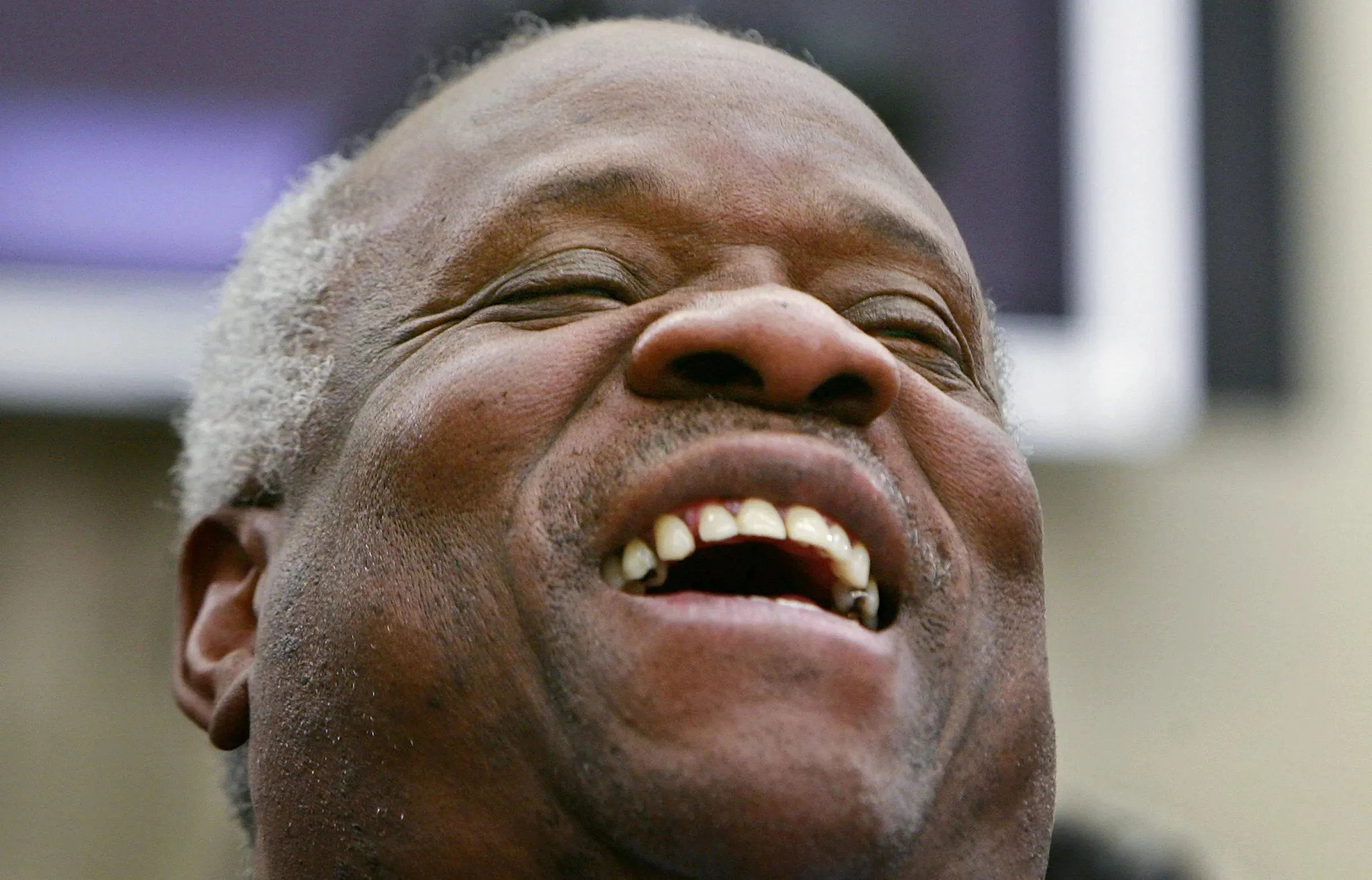
The Supreme Court is set to hear a case that could dramatically reshape rules on political spending, with Republicans aiming to eliminate restrictions on how much money major donors can channel to candidates through party committees. The case, National Republican Senatorial Committee v. FEC, is scheduled for Tuesday, December 9.
On the Courts current 6-3 Republican-majority bench, precedent suggests the GOP is likely to prevail. Campaign finance regulation remains one of the clearest divides between the parties. Democratic justices argue that excessive financial influence in politics undermines democracy, as a few large donations can overpower the voices of ordinary voters. Republican justices, by contrast, generally allow restrictions only when preventing explicit quid pro quo corruption, meaning a direct exchange of donations for political favors.
The law under challenge limits how much party committees such as the RNC or DNC can spend in coordination with individual candidates. This rule is designed to stop wealthy donors from bypassing federal contribution limitscurrently $3,500 per candidate per electionby funneling money through party organizations. While this law aligns with decades of precedent permitting reasonable contribution caps, Republicans view such coordination limits as unconstitutional unless there is clear evidence of a direct deal between donor and politician.
Even within the Courts Republican majority, most justices accept that Congress can cap direct donations to candidates to prevent quid pro quo arrangements. Yet, indirect donations routed through party committees are treated differently. For example, donors may contribute up to $44,300 per year to a party committee without violating the law. Coordination rules further restrict how much a party can spend in alignment with a candidates campaignamounts vary by the size of the electorate, ranging from tens of thousands in small House races to millions in Senate contests.
Republicans in NRSC argue these coordinated spending limits should be struck down. Past rulings, such as FEC v. Colorado Republican Federal Campaign Committee (2001), upheld similar limits, reasoning that unrestricted coordinated spending allows donors to circumvent individual contribution caps. However, the Court has shifted dramatically since 2001, with hardline Republican majorities in cases like Citizens United and McCutcheon undermining most campaign finance restrictions.
The Republican justices interpret corruption narrowly, applying the term only to explicit exchanges of money for political favors. Laws intended to limit the general influence of wealthy donors are unlikely to survive. While Democratic lawyers argue that coordinated spending limits prevent de facto money laundering schemeswhere large donations to parties indirectly benefit candidatesthe Courts past decisions suggest they will not defer to Congress on these matters.
Furthermore, the rise of Super PACs, which can accept unlimited donations to support candidates without direct coordination, already provides wealthy donors with vast influence. The GOP contends that any remaining limits on party-coordinated spending are redundant, as major contributors can direct funds through Super PACs, rendering current caps largely irrelevant.
Ultimately, the NRSC case represents another pivotal moment in the ongoing debate over money in politics. With the current Supreme Courts composition and track record, it is highly probable that restrictions on coordinated party spending will be struck down, further expanding the role of wealthy donors in U.S. elections.
Author: Logan Reeves
Share

Republicans request Supreme Court to remove one of the final restrictions on money in politics
1 days ago 3 min read POLITICS

Trump ally confesses to aiming to eliminate same-day registration in federal voting rights trial
2 days ago 3 min read POLITICS

No, SCOTUS Did Not Create Judicial Review in Marbury v. Madison
3 days ago 2 min read POLITICS

Trump Criticizes Senate GOP, Urges Them to End 'Gridlock'
3 days ago 2 min read POLITICS

Johnson clashes with Republican dissenters over discharge petition
3 days ago 3 min read POLITICS
Congress is the Supreme Court's preferred target for criticism, and it's about to face the consequences
3 days ago 4 min read POLITICS

Four key cases to monitor as Supreme Court prepares for December session
3 days ago 3 min read POLITICS

The upcoming Wisconsin race will be a crucial test for Republicans
5 days ago 4 min read POLITICS