

RFK Jr.'s vaccine panel postpones vote on hepatitis B shot following disorganized meeting
- Last update: 51 minutes ago
- 2 min read
- 315 Views
- POLITICS
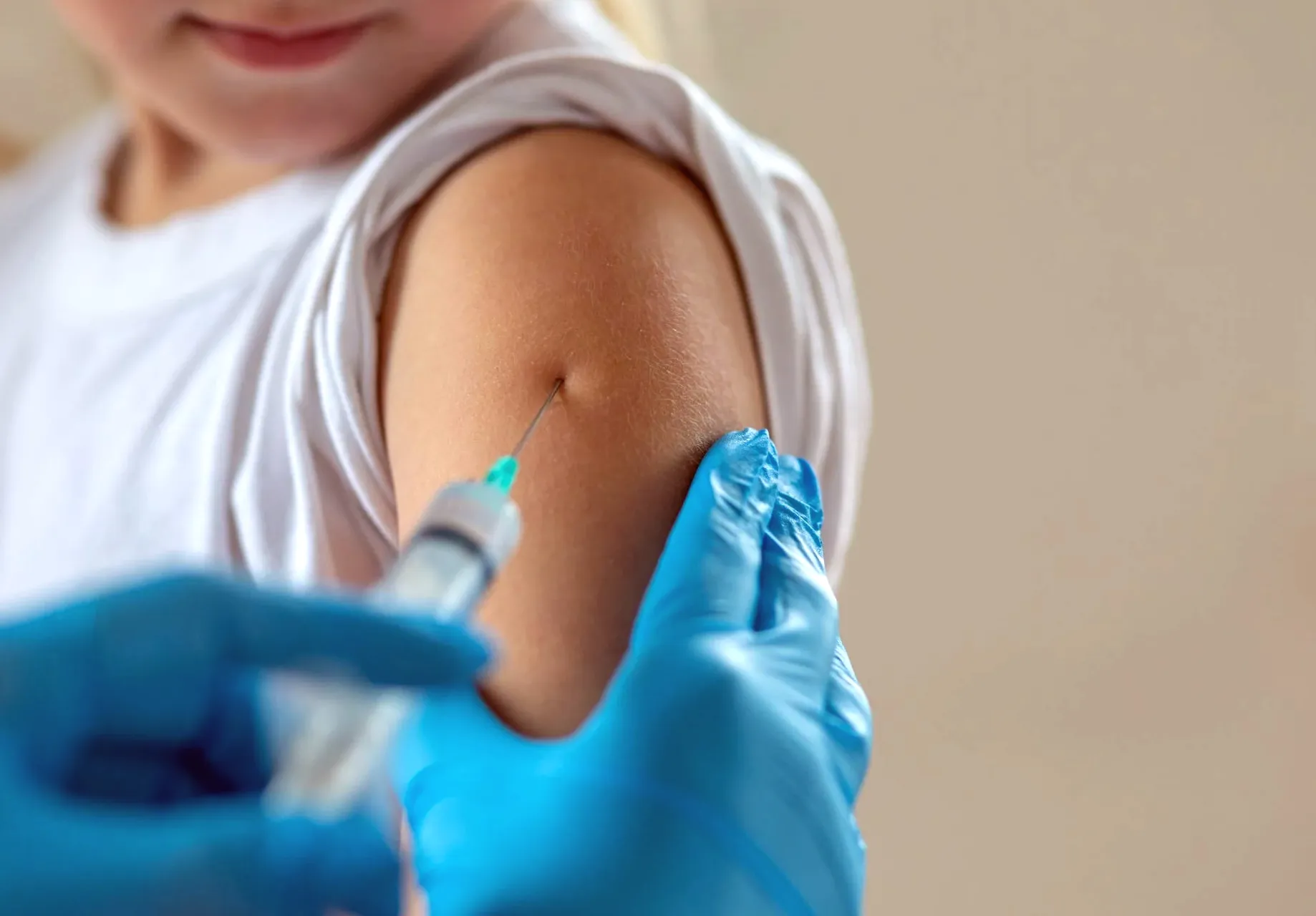
The vaccine advisory panel led by Health and Human Services Secretary Robert F. Kennedy Jr. postponed its vote for a second time on adjusting the timing of the first hepatitis B vaccine for newborns. The committee, restructured by Kennedy and known for vaccine skepticism, had been considering altering the long-standing recommendation that infants receive the initial dose within 24 hours of birth, a move that has raised concerns among health specialists due to lack of supporting evidence.
During a tense and disorganized session, members debated the phrasing of three proposals intended for voting. In a 6-3 decision, the committee decided to delay the vote until Friday to allow more time to review the language of the questions.
Earlier in September, the committee had also deferred a vote on a recommendation that would have postponed the first dose for babies born to hepatitis B-negative mothers by at least a month. During Thursdays session, one member noted that the questions had been revised three times in 24 hours, prompting calls for more time to consider the wording carefully.
The proposed changes included allowing parents of hepatitis B-negative newborns to make individualized decisions about vaccination timing, potentially delaying the first dose until at least two months of age. Another proposal involved revising guidance for mothers with unknown hepatitis B status, while a third suggested implementing post-vaccination antibody testing to determine maternal protection during the three-dose series.
Since taking office, Kennedy has replaced all prior committee members with individuals known for vaccine skepticism. Public health experts have strongly criticized the panels consideration of altering the schedule, which has been in place since 1991. The current three-dose regimen has reduced hepatitis B infections among children and teens by 99%, preventing thousands of cases that could lead to chronic liver disease or cancer, according to a 2023 study published by the U.S. Surgeon General.
Author: Riley Thompson
Share

Top Admiral Acknowledges that Survivors of Narco-Boat Strike Were Killed and Unable to Call for Help: CNN
5 minutes ago 2 min read POLITICS

GOP lawmakers criticize MTG for missing votes following her resignation from Congress
10 minutes ago 2 min read POLITICS

Are Americans in favor of Trump's boat strikes? It's complex.
16 minutes ago 3 min read POLITICS

Trump Inserts Bizarre Election Falsehood into Christmas Tree Celebration
17 minutes ago 2 min read POLITICS

Trump to embark on campaign against the affordability 'hoax'
20 minutes ago 2 min read POLITICS

Protesters Condemn Targeting of Somali Community by Anti-Trump Supporters
20 minutes ago 3 min read POLITICS

Live broadcast: Trump oversees signing of peace deal between Rwanda and Congo
21 minutes ago 1 min read POLITICS

Trump dismisses White House ballroom architect amid increasing scrutiny
22 minutes ago 3 min read POLITICS

Melania Trump embraces the Christmas spirit as construction weariness fades
25 minutes ago 2 min read POLITICS

Leticia James' attempt to reindict fails; Fresh boat strike adds to Capitol tensions
27 minutes ago 3 min read POLITICS