

The Blatant Honesty of Trump's Discriminatory New Asylum Policy
- Last update: 2 days ago
- 3 min read
- 628 Views
- POLITICS
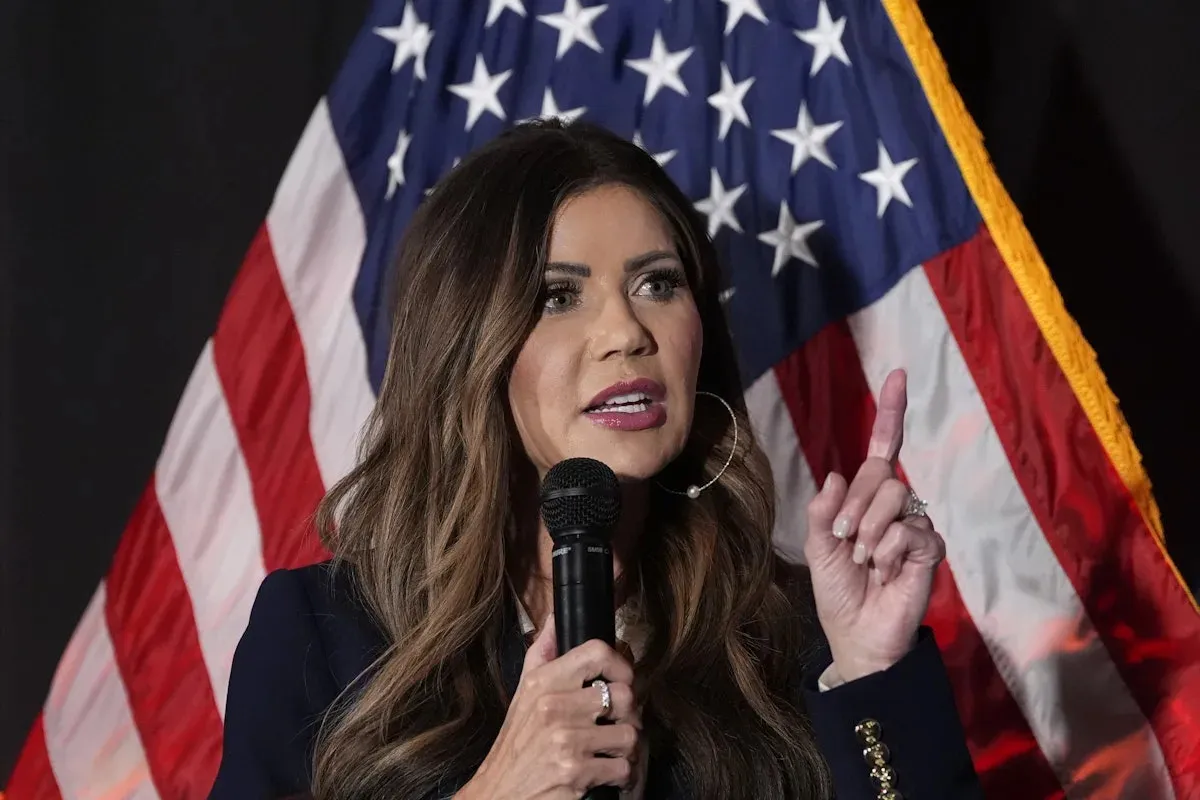
In line with the current administrations tendency to reveal sweeping policies via social media, Department of Homeland Security leader Kristi Noem took to X on Monday evening to announce she was advocating for a complete travel ban. She stated it would block entry from every country that has been sending individuals who are killers, leeches, and entitlement seekers. She described these people as foreign intruders and added, WE DONT WANT THEM. NOT ONE.
Noems post, strikingly blunt, echoed rhetoric often circulated among extremist groups, yet it emerged from an official communication channel of a Cabinet member leading one of the largest federal agencies. In the same post, she claimed, Our forefathers built this nation, while asserting immigrants had slaughtered our heroes and taken benefits owed to AMERICANS.
This message comes as part of the Trump administrations effort to shift focus from last weeks shooting in the nations capital. The incident involved an Afghan immigrant who had worked with the CIA during the Afghanistan War and was granted asylum in April. He allegedly shot two National Guardsmen, killing one and injuring another, before being shot himself. From his hospital bed during a virtual hearing, he pleaded not guilty to first-degree murder.
The deployment of the National Guard to Washington was initially ordered by the administration as a political demonstration, claiming it was in response to a crime emergency. Trump later declared, without evidence, that his actions had resulted in no murders in the city. In the wake of the shooting, Trump, Noem, and other anti-immigration figures, including Stephen Miller, have leveraged the tragedy to bolster anti-immigrant sentiment.
The day following the shooting, the administration announced a review of all green cards for immigrants from countries of concern. By Friday, it suspended processing visas from Afghanistan and froze asylum application actions for Afghan nationals. By Tuesday, officials expanded the proposed travel ban, targeting at least 30 countries.
On a Sunday television interview, Noem claimed the shooter had been radicalized since arriving in this country but offered no evidence. She further suggested that individuals admitted under Bidens administration were unvetted and should be brought to justice if they were not here to be Americans. When questioned, Noem failed to explain how vetting could detect radicalization that allegedly occurred after entry, despite the suspect having already undergone extensive vetting as a CIA contractor.
The administration appears to use this case as a pretext to intensify its crackdown on immigration, framing the individual as a scapegoat for broader policy goals. Trumps previous bans have targeted 19 countries, mainly in the Middle East, North Africa, and sub-Saharan Africa, with plans to block entry from an additional 36 nations.
Despite aggressive rhetoric, the administrations deportation goals remain largely unmet. Arrests and detentions have surged, yet mass deportations have not materialized. Recent actions include firing eight immigration judges in New York to replace them with loyal appointees, joining about 90 others removed nationwide from roughly 600 positions. Immigration courts continue to approve significantly fewer asylum cases, while DHS actively recruits new judges with calls to END THE INVASION.
Ultimately, what may seem like new policy measures are often repetitions of longstanding ideas. The language used by Noem and others mirrors that of extremist groups, while echoing historical anti-immigrant sentiments. Figures like Stephen Miller could easily fit into anti-immigrant legislative debates from the early 20th century. These narratives, deeply rooted, are unlikely to disappear even after Trump leaves office.
Author: Benjamin Carter
Share

GOP lawmakers assure that Johnson will remain as Speaker despite their frustrations
1 minutes ago 3 min read POLITICS

Top Admiral Acknowledges that Survivors of Narco-Boat Strike Were Killed and Unable to Call for Help: CNN
9 minutes ago 2 min read POLITICS
GOP lawmakers criticize MTG for missing votes following her resignation from Congress
14 minutes ago 2 min read POLITICS

Are Americans in favor of Trump's boat strikes? It's complex.
20 minutes ago 3 min read POLITICS

Trump Inserts Bizarre Election Falsehood into Christmas Tree Celebration
21 minutes ago 2 min read POLITICS
Trump to embark on campaign against the affordability 'hoax'
24 minutes ago 2 min read POLITICS

Protesters Condemn Targeting of Somali Community by Anti-Trump Supporters
24 minutes ago 3 min read POLITICS

Live broadcast: Trump oversees signing of peace deal between Rwanda and Congo
25 minutes ago 1 min read POLITICS
Trump dismisses White House ballroom architect amid increasing scrutiny
26 minutes ago 3 min read POLITICS

Melania Trump embraces the Christmas spirit as construction weariness fades
29 minutes ago 2 min read POLITICS