

The dismantling process of the Education Department revealed | The Excerpt
- Last update: 3 days ago
- 3 min read
- 33 Views
- POLITICS
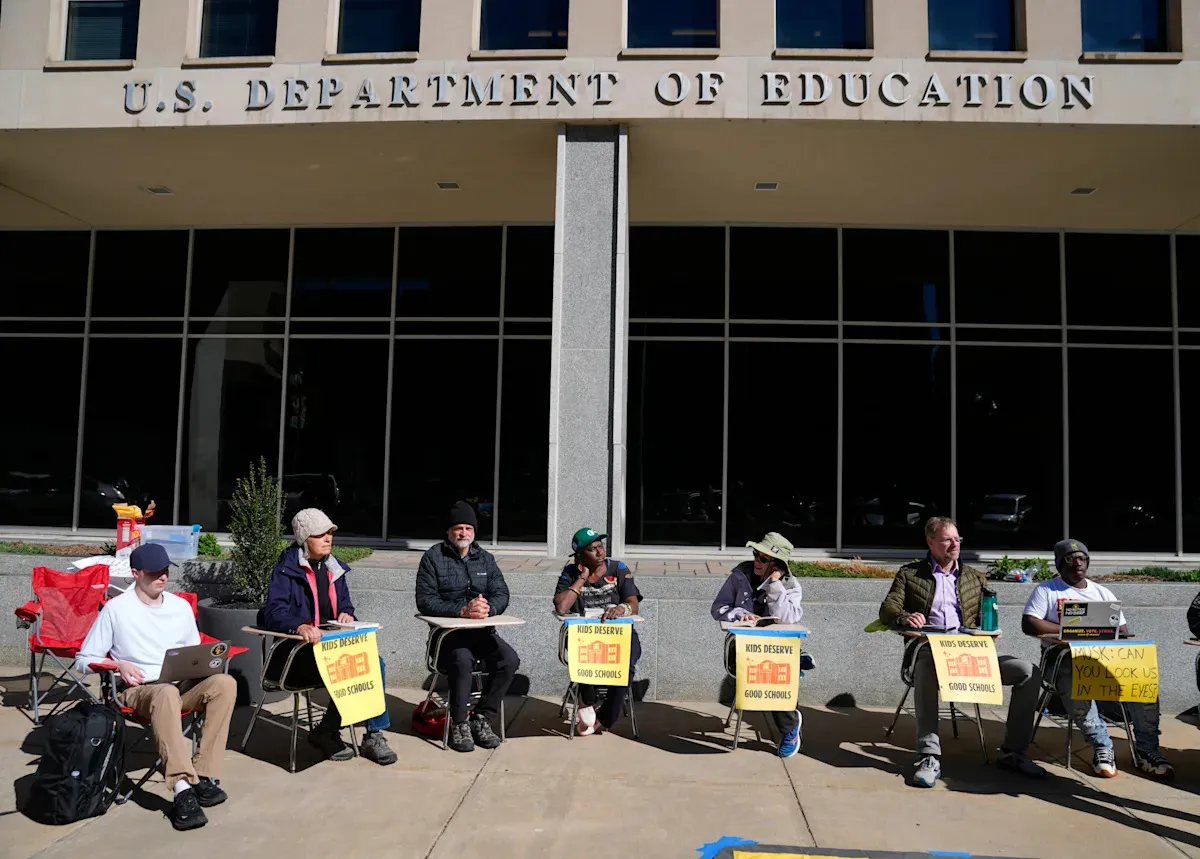
On Tuesday, December 2, 2025, the latest episode of The Excerpt podcast focused on major shifts within the U.S. Department of Education under President Donald Trump. The discussion explored changes affecting key programs, including Title I funding, special education, and student aid, highlighting potential impacts on millions of students nationwide. Zach Schermele of USA TODAY joined the podcast to analyze these developments in detail.
Overview of the Department's Restructuring
Late last month, the Trump administration advanced plans to reorganize the Department of Education through six interagency agreements. These agreements redistribute responsibilities previously managed by the department to other federal agencies, including the Departments of Labor, Interior, State, and Health and Human Services. This marks one of the most significant efforts to shift control of federal education programs since Trump took office.
While Congress retains ultimate authority over federal agencies, the Supreme Court allowed the administration to proceed with certain layoffs and program transfers. Education Secretary Linda McMahon is leading the effort, aiming to move divisions such as the Office of Post-Secondary Education and the Office of Elementary and Secondary Education to other federal agencies. The transition is ongoing, and the full effects remain uncertain.
K12 Education Implications
For K12 schools, one major change is the transfer of the Office of Elementary and Secondary Education to the Department of Labor. This office oversees Title I funding, which provides up to $20 billion annually to support low-income school districts. The allocation of these funds depends on student needs, such as participation in free and reduced-price lunch programs. Administrative delays in the past have affected the timely distribution of Title I funds, raising concerns among educators and parents.
Special Education Concerns
Students with disabilities could face additional uncertainty. During a recent government shutdown, the Office of Special Education Programs faced widespread layoffs, though these were later reversed. There is ongoing speculation that this division may eventually move to the Department of Health and Human Services, but no timeline has been confirmed. Families and educators are closely monitoring these developments to understand potential impacts on services and support.
Federal Student Aid and College Funding
The Federal Student Aid Office, which manages trillions of dollars in student loans, remains largely unaffected by the recent restructuring. Programs like FAFSA continue to operate, ensuring high school seniors and current borrowers can access federal financial aid. While President Trump previously suggested the office could shift to the Small Business Administration, no concrete changes have occurred so far.
Historical Context and Federal Role
The Department of Education was established by President Jimmy Carter in 1979 to reduce disparities in educational opportunities across states and localities. Federal oversight ensures students with disabilities and other underserved groups receive equitable access to resources. The current administration's approach, led by Secretary McMahon, differs by redistributing some functions to other agencies, which proponents argue may streamline certain programs, though the long-term effects remain to be seen.
Looking Ahead
Transitioning offices to other agencies, such as career and technical education programs moving to the Department of Labor, is intended to improve program management. However, ongoing turmoil in data collection and federal administration creates uncertainty about the overall effectiveness of these reforms. Analysts and educators will continue to evaluate whether these changes truly benefit students.
Zach Schermele of USA TODAY provided insights on these developments, emphasizing that while some divisions remain stable, others face major adjustments that could affect funding and services for students across the country.
Author: Sophia Brooks
Share

GOP lawmakers assure that Johnson will remain as Speaker despite their frustrations
2 minutes ago 3 min read POLITICS

Top Admiral Acknowledges that Survivors of Narco-Boat Strike Were Killed and Unable to Call for Help: CNN
10 minutes ago 2 min read POLITICS

GOP lawmakers criticize MTG for missing votes following her resignation from Congress
15 minutes ago 2 min read POLITICS

Are Americans in favor of Trump's boat strikes? It's complex.
21 minutes ago 3 min read POLITICS

Trump Inserts Bizarre Election Falsehood into Christmas Tree Celebration
22 minutes ago 2 min read POLITICS

Trump to embark on campaign against the affordability 'hoax'
25 minutes ago 2 min read POLITICS

Protesters Condemn Targeting of Somali Community by Anti-Trump Supporters
25 minutes ago 3 min read POLITICS

Live broadcast: Trump oversees signing of peace deal between Rwanda and Congo
26 minutes ago 1 min read POLITICS
Trump dismisses White House ballroom architect amid increasing scrutiny
27 minutes ago 3 min read POLITICS

Melania Trump embraces the Christmas spirit as construction weariness fades
30 minutes ago 2 min read POLITICS