

Trump pledged to reduce crime in San Francisco, but his administration did the opposite
- Last update: 3 days ago
- 3 min read
- 33 Views
- POLITICS
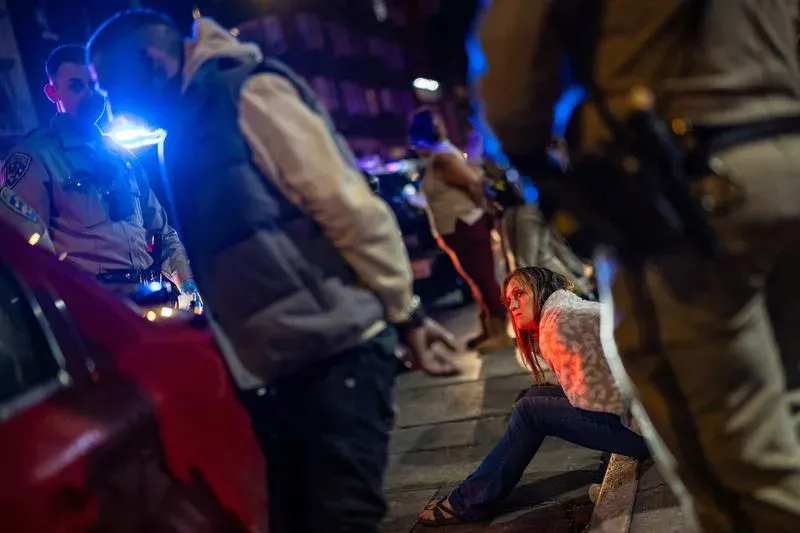
SAN FRANCISCO, Dec 2 (Reuters) Despite President Donald Trump's earlier pledge to deploy federal agents and even military personnel to tackle crime in San Francisco, the city is now facing a significant reduction in federal law enforcement support, leaving it more vulnerable to a severe drug crisis.
An analysis of over 15 million federal court records by Reuters found that the number of people charged with federal crimes in San Francisco and surrounding areas through November 1 fell by 40% compared to the same period in 2024. The decline was particularly pronounced for drug-related charges, which dropped nearly 50% to 137 cases. This reduction comes as federal agents have increasingly been reassigned to immigration enforcement, limiting resources for tackling crimes such as drug trafficking and gun violence, according to multiple current and former federal officials speaking anonymously.
They just don't have the agents to do criminal cases, a former Justice Department official stated. This reduction occurred even as Trump labeled the city a "mess" and urged federal intervention. In October, he began assembling a team of immigration and other federal agents to address crime in San Francisco, similar to actions taken in Washington, D.C., and Memphis. The planned deployment was later canceled following appeals from local acquaintances.
The Trump administration's overhaul of federal law enforcement has redirected thousands of agents to immigration duties, affecting the government's ability to prosecute other crimes. Nationwide, federal drug prosecutions have dropped about 10% this year, marking the lowest level in decades. San Francisco has experienced one of the steepest declines due to its liberal governance, Reuters found.
Craig Missakian, U.S. Attorney for northern California, stated that multiple factors contributed to the reduction in prosecutions and emphasized that his office continues to prioritize drug enforcement. White House spokeswoman Abigail Jackson highlighted that arrested illegal immigrants include those involved in high-level crimes, but she did not specifically address San Francisco operations. The Justice Department maintains that immigration duties have not hindered other enforcement activities.
Data collected from federal criminal dockets dating back to the 1990s show that almost all federal crime prosecutions in northern California have declined sharply. As of November 1, criminal charges dropped to 355 from 575 the previous year, marking a two-decade low. This includes San Francisco, Oakland, and San Jose. Federal charges are particularly impactful due to longer prison sentences, which local police cannot match. Tom Wolf, a former addict and advocate, remarked that federal enforcement instills fear among dealers, while city police largely do not.
The downturn follows a previous federal crackdown on drug activity in San Francisco, notably in the Tenderloin district, aimed at removing street-level dealers and disrupting larger trafficking networks. These efforts included undercover operations, surveillance, and strategic federal prosecutions. However, reassignment of agents to immigration enforcement has slowed such intensive operations.
Local authorities are attempting to compensate. The San Francisco Police Department, weakened by a shortage of nearly 500 officers, has increased drug arrests by approximately 20% this year. California Governor Gavin Newsom has deployed Highway Patrol anti-crime teams to assist in San Francisco and nearby cities. Despite these efforts, public health and advocacy officials report that open drug dealing and use remain widespread.
The city continues to face a lethal fentanyl crisis, with over 3,200 deaths in five years. In 2025 alone, 497 overdose fatalities were reported through September, predominantly involving fentanyl. Observers note that even increased local enforcement is insufficient to curb the drug epidemic or compensate for the retreat of federal agents.
Reuters reporting by Matt McKnight; Edited by Michael Learmonth
Author: Sophia Brooks
Share

Top Admiral Acknowledges that Survivors of Narco-Boat Strike Were Killed and Unable to Call for Help: CNN
1 minutes ago 2 min read POLITICS
GOP lawmakers criticize MTG for missing votes following her resignation from Congress
6 minutes ago 2 min read POLITICS
Are Americans in favor of Trump's boat strikes? It's complex.
12 minutes ago 3 min read POLITICS

Trump Inserts Bizarre Election Falsehood into Christmas Tree Celebration
13 minutes ago 2 min read POLITICS
Trump to embark on campaign against the affordability 'hoax'
16 minutes ago 2 min read POLITICS
Protesters Condemn Targeting of Somali Community by Anti-Trump Supporters
16 minutes ago 3 min read POLITICS
Live broadcast: Trump oversees signing of peace deal between Rwanda and Congo
17 minutes ago 1 min read POLITICS
Trump dismisses White House ballroom architect amid increasing scrutiny
18 minutes ago 3 min read POLITICS

Melania Trump embraces the Christmas spirit as construction weariness fades
21 minutes ago 2 min read POLITICS

Leticia James' attempt to reindict fails; Fresh boat strike adds to Capitol tensions
23 minutes ago 3 min read POLITICS