

Understanding Trump's Focus on Somalis in Minnesota
- Last update: 3 days ago
- 3 min read
- 17 Views
- POLITICS
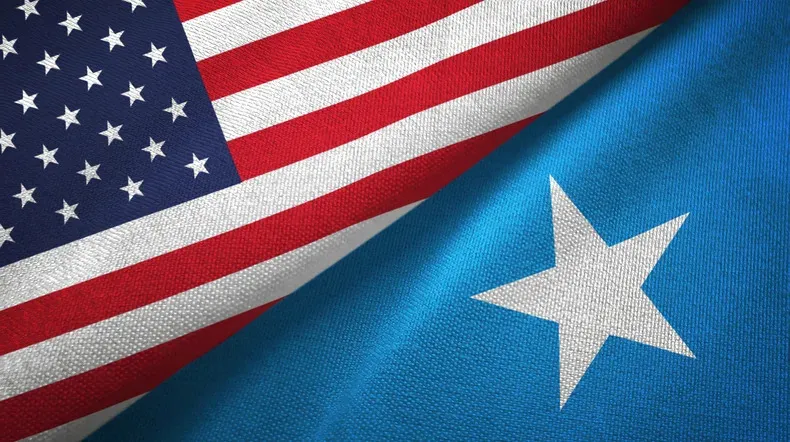
After an Afghan asylum seeker was identified as the suspect in a shooting near the White House last week, President Donald Trump used the incident to advance a "reverse migration" agenda, highlighting refugees and foreign nationals in the U.S. Among his comments, he repeatedly singled out Somalis. During a Thanksgiving call with troops, when asked by a reporter, Trump admitted there was nothing connecting Somalis to the shooting. Nevertheless, he claimed without evidence that Somalis have caused a lot of trouble in the U.S.
The day following the White House shooting, Trump instructed a review of green cards for migrants from 19 countries of concern, including Somalia. On Thanksgiving, he posted a message on Truth Social announcing a permanent pause on migration from Third World nations, singling out Minnesota's Somali population. According to U.S. Census Bureau data, Minnesota has the largest Somali community in the country, which Trump claimed is completely taking over the state.
Trump had previously criticized the Somali community in Minnesota. During his first term, he claimed that Washington leaders brought in large numbers of refugees without considering impacts on schools, communities, and taxpayers. More recently, he stated on Truth Social that Somali gangs were terrorizing Minnesota and billions of dollars were missing, announcing an immediate end to Temporary Protected Status (TPS) for Somalis, raising fears among the states Somali residents.
Minnesota hosts the largest Somali community in the U.S., with over 61,000 individuals reporting Somali ancestry in a population of approximately 5.7 million. Many arrived as refugees fleeing civil war in Somalia during the 1990s, drawn by social services and welfare programs. Over time, Somalis have integrated into Minnesota society and gained representation in government, including Rep. Ilhan Omar, the first Somali-American elected to Congress in 2018, frequently targeted by Trump.
TPS status was first granted to Somali nationals in September 1991 under President George H.W. Bush, recognizing unsafe conditions in Somalia. Since then, TPS has been extended or redesignated 27 times, with the most recent extension under the Biden administration, setting the expiration to March 17, 2026. Homeland Security Secretary Kristi Noem defended ending TPS for Somalia, Venezuela, and Nicaragua, stating the program was intended to be temporary following specific crises.
Trump stated on Truth Social: Minnesota, under Governor Waltz, is a hub of fraudulent money laundering activity. I am terminating, effective immediately, the TPS Program for Somalis in Minnesota. Send them back to where they came from. Its OVER! About 700 Somali nationals nationwide could be affected, though most in Minnesota are U.S. citizens.
Trump linked fraud allegations to Minnesotas Somali community, citing schemes during the COVID-19 pandemic. Nonprofit Feeding Our Future, connected to Somali residents, was implicated in a $300 million fraud involving billing for non-existent meals. Other cases involved Medicaid housing assistance and autism programs, collectively amounting to billions in alleged fraud. Conservative think tank reports suggested some funds could be tied to the terror group Al-Shabaab. Minnesota DHS staff accused Governor Tim Walz of ignoring fraud reports and retaliating against whistleblowers.
Democrats have criticized Trumps targeting of Somalis. Rep. Omar argued that the president does not have the authority to end TPS immediately. Minnesota Attorney General Keith Ellison indicated potential legal action, stating Trump cannot legally discriminate against an ethnic group or target a state. Senator Amy Klobuchar condemned singling out Somalis for a crime in D.C., saying Trump is attempting to divide people. Governor Walz emphasized efforts to combat fraud without demonizing entire communities and highlighted Trumps perceived hypocrisy in granting clemency to a fraudster.
Author: Sophia Brooks
Share
Sources say lawmakers have examined a summary of Pentagon order regarding attacks in the Caribbean.
3 minutes ago 2 min read POLITICS
Republican Rep. Darrell Issa decides to remain in California instead of pursuing US House run in Texas
3 minutes ago 2 min read POLITICS

The State Experiencing Serious Buyer's Remorse Among Trump Voters
3 minutes ago 1 min read POLITICS
Americans Describe Cost of Living as the 'Worst in Memory' in New Poll
6 minutes ago 1 min read POLITICS

House Democrat introduces impeachment charges against Hegseth
7 minutes ago 2 min read POLITICS
Ted Cruz Criticizes Tucker Carlson for Speaking at Conference with His Former Advisers
8 minutes ago 2 min read POLITICS

Tom Cotton Supports U.S. Strikes On Alleged Drug Boat as Justifiable
9 minutes ago 2 min read POLITICS

FBI Director Kash Patel Ridiculously States Trump DOJ Will Always Defend Against Capitol Attackers
12 minutes ago 3 min read POLITICS
White House announces Trump's choice of new architect for ballroom project
12 minutes ago 1 min read POLITICS
Disagreement Among FBI Officials on Investigation Into Democratic Veterans for 'Seditious Conspiracy'
13 minutes ago 2 min read POLITICS